You are using an out of date browser. It may not display this or other websites correctly.
You should upgrade or use an alternative browser.
You should upgrade or use an alternative browser.
ZooChat Cup Group D2: Plzen vs Zurich
- Thread starter CGSwans
- Start date

I have only been to Plzen, but they had several very good enclosures for this geography, such as bears, North American caprines and the Canadian lynx, but my favourite was the well done "Czech river" with local fish species. Zürich seems to have very little to offer and I vote 3-0 to Plzen.

I have been in the both zoos recently. Plzen, no doubt has bigger and better collection, but I don't feel they deserve so cloudless win. Zurich obviously prize quantity over quality. Their conservation role is also well recognized, since they been honored with WAZA conservation award this year.They have pretty nice Selenga Eurasian wetlands area with European golden eye, Northern Shovler, Lesser white fronted goose, Red breasted goose,European pond terrapin,Smew and etc. It is pretty cool to see how white and black storks nesting in the high trees there.The birds of pray collection is also not bad. Since Diclofenac cattle medicament was approved in EU, the fear of extinction of Egyptian Vulture is much bigger. The Zurich is one of the breeder of the rare species. The Owls collection is also nice: Ural owl, Eurasian northern hawk-owl and the rare Snowy Owl leave in a great aviaries next to the Mongolian wolf. In 1888 the Swiss government voted to exterminate the Eurasian otters as a pest and even they banned the hunting in 1952 the species was considered extinct in Switzerland in 1989.The office of the Pro Lutra foundation is at the Zurich zoo and they actively working to restore the species in the country. The Otters in Zurich leave in a couple of well planted exhibits. The Wild rabbit and the Harbor seal are another important European species, rared by Zurich. The Exotarium housed some interesting North american species. Zurich is responsible of first breeding and coordinate the EEP of Rio Fuerte beaded lizard. The beautiful enclosures of Burrowing Owl(with Plain Viscacha) and Sidewinder also need to be mentioned. I will place my vote for Zurich for now 2:1.

Sadly for Zurich, it's a pretty open-and-shut 3-0 to Plzen in my opinion, as I intend to demonstrate.
Photo compilations to follow once I've posted a few Anatidae guide posts but for now:
Fish will have to wait for someone who knows them better but thus far that's 232 taxa.
Photo compilations to follow once I've posted a few Anatidae guide posts
but for now:Alpine field mouse (Apodemus alpicola)
Bank vole (Myodes glareolus)
Bobcat (Lynx rufus)
Brown Rat (Rattus norvegicus)
Cactus deermouse (Peromyscus eremicus)
California bighorn sheep (Ovis canadensis californiana)
Canadian lynx (Lynx canadensis)
Chinese Reeves' muntjac (Muntiacus reevesi reevesi)
Collared peccary (Pecari tajacu)
Crete spiny mouse (Acomys minous)
Dall's sheep (Alaskan white sheep) (Ovis dalli dalli)
Egyptian fruit bat (Rousettus aegyptiacus)
Eurasian field mouse (Striped field mouse) (Apodemus agrarius)
Eurasian otter (Common otter) (Nominatform) (Lutra lutra lutra)
Wisent (Bison bonasus)
European brown bear (Ursus arctos arctos)
European rabbit (Oryctolagus cuniculus)
Fat dormouse (Glis glis)
Hispid cotton rat (Sigmodon hispidus)
Guenther´s vole (Microtus guentheri)
Long-tailed field mouse (Apodemus sylvaticus)
Merriam's kangaroo rat (Dipodomys merriami)
Prairie deer mouse (Peromyscus maniculatus)
Palestina spiny mouse (Red Sinai spiny mouse) (Acomys dimidiatus dimidiatus (Syn.: Acomys cahirinus dimidiatus))
Pallas' long-tongued bat (Glossophaga soricina)
Pygmy white-toothed shrew (Suncus etruscus)
Black rat (Rattus rattus)
Siberian flying squirrel (Pteromys volans volans)
Southern flying squirrel (Glaucomys volans)
Steppe lemming (Lagurus lagurus)
Tule elk (Cervus canadensis nannodes)
Non ssp Wolf (Canis lupus)
Woodchuck (Marmota monax)
Bank vole (Myodes glareolus)
Bobcat (Lynx rufus)
Brown Rat (Rattus norvegicus)
Cactus deermouse (Peromyscus eremicus)
California bighorn sheep (Ovis canadensis californiana)
Canadian lynx (Lynx canadensis)
Chinese Reeves' muntjac (Muntiacus reevesi reevesi)
Collared peccary (Pecari tajacu)
Crete spiny mouse (Acomys minous)
Dall's sheep (Alaskan white sheep) (Ovis dalli dalli)
Egyptian fruit bat (Rousettus aegyptiacus)
Eurasian field mouse (Striped field mouse) (Apodemus agrarius)
Eurasian otter (Common otter) (Nominatform) (Lutra lutra lutra)
Wisent (Bison bonasus)
European brown bear (Ursus arctos arctos)
European rabbit (Oryctolagus cuniculus)
Fat dormouse (Glis glis)
Hispid cotton rat (Sigmodon hispidus)
Guenther´s vole (Microtus guentheri)
Long-tailed field mouse (Apodemus sylvaticus)
Merriam's kangaroo rat (Dipodomys merriami)
Prairie deer mouse (Peromyscus maniculatus)
Palestina spiny mouse (Red Sinai spiny mouse) (Acomys dimidiatus dimidiatus (Syn.: Acomys cahirinus dimidiatus))
Pallas' long-tongued bat (Glossophaga soricina)
Pygmy white-toothed shrew (Suncus etruscus)
Black rat (Rattus rattus)
Siberian flying squirrel (Pteromys volans volans)
Southern flying squirrel (Glaucomys volans)
Steppe lemming (Lagurus lagurus)
Tule elk (Cervus canadensis nannodes)
Non ssp Wolf (Canis lupus)
Woodchuck (Marmota monax)
African sacred ibis (Threskiornis aethiopicus)
American black duck (Anas rubripes)
American black vulture (Coragyps atratus)
American kestrel (American sparrowhawk) (No Subspecific status) (Falco sparverius)
American white pelican (Pelecanus erythrorhynchos)
American wigeon (Mareca americana (Syn.: Anas americana))
Azure tit (Cyanistes cyanus)
Bald eagle (Haliaeetus leucocephalus)
Bar-headed goose (Anser indicus)
Barbary partridge (Alectoris barbara)
Barn swallow (Hirundo rustica)
Bearded reedling (Panurus biarmicus)
Bewick's swan (Cygnus columbianus bewickii)
Black swan (Cygnus atratus)
Black-crowned night heron (Nycticorax nycticorax nycticorax)
Black-headed gull (Chroicocephalus ridibundus)
Black-headed nightingale-thrush (Catharus mexicanus)
Black-necked stilt (Himantopus mexicanus)
Black-winged stilt (Himantopus himantopus)
Blue-winged teal (Spatula discors)
Central European Barn Owl (Tyto alba guttata)
Central European tawny owl (East European tawny owl) (Strix aluco aluco)
Cinnamon teal (Spatula cyanoptera)
Coal tit (Periparus ater ater)
Collared pratincole (Glareola pratincola)
Common chaffinch (Fringilla coelebs coelebs)
Common crossbill (Red crossbill) (Nominate subspecies) (Loxia curvirostra curvirostra)
Common cuckoo (Eurasian cuckoo) (European cuckoo) (Cuculus canorus)
Eurasian Linnet (Linaria cannabina cannabina)
Common Little bittern (Ixobrychus minutus)
Common moorhen (Gallinula chloropus chloropus)
European pochard (Aythya ferina)
Common redshank (Tringa totanus)
Common redstart (Phoenicurus phoenicurus)
Common ringed plover (Charadrius hiaticula)
Western rock pigeon (Columba livia livia)
Common sandpiper (Actitis hypoleucos)
Common woodpigeon (Wood pigeon) (Columba palumbus)
Corncrake (Crex crex)
Cypriot chukar partridge (Alectoris chukar cypriotes)
Eastern fox sparrow (Passerella iliaca)
Eastern red-tailed hawk (Buteo jamaicensis borealis)
Edwards's pheasant (Lophura edwardsi)
Egyptian goose (Alopochen aegyptiaca)
Emperor goose (Anser canagicus)
Eurasian Blackcap (Sylvia atricapilla atricapilla)
Eurasian golden oriole (Oriolus oriolus)
Eurasian golden plover (Pluvialis apricaria)
Eurasian goldeneye (Bucephala clangula clangula)
Eurasian goosander (Mergus merganser merganser)
Eurasian great cormorant (Phalacrocorax carbo sinensis)
Eurasian Oystercatcher (Haematopus ostralegus)
Eurasian quail (Coturnix coturnix coturnix)
Eurasian siskin (Spinus spinus)
Eurasian Song thrush (Turdus philomelos philomelos)
Eurasian teal (Anas crecca crecca)
Eurasian wigeon (Mareca penelope)
European Goldfinch (Carduelis carduelis carduelis)
European greenfinch (Chloris chloris chloris)
European kestrel (Falco tinnunculus tinnunculus)
European peregrine falcon (Falco peregrinus peregrinus)
European scaup (Aythya marila marila)
European serin (Serinus serinus)
European starling (Sturnus vulgaris vulgaris)
European thick-knee (Burhinus oedicnemus oedicnemus)
European Turtle dove (Streptopelia turtur turtur)
European white stork (Ciconia ciconia ciconia)
Ferruginous duck (Aythya nyroca)
Fieldfare (Turdus pilaris)
Fulvous whistling-duck (Dendrocygna bicolor)
Gadwall (Mareca strepera strepera)
Gambel's quail (Callipepla gambelii)
Garganey (Spatula querquedula)
Glossy ibis (Plegadis falcinellus)
Golden eagle (Aquila chrysaetos)
Great kiskadee (Pitangus sulphuratus)
Great white pelican (Pelecanus onocrotalus)
Greater flamingo (Phoenicopterus roseus)
Greater short-toed lark (Calandrella brachydactyla)
Greater spotted eagle (Clanga clanga)
Green-winged teal (Anas crecca carolinensis)
Grey heron (Ardea cinerea)
Grey partridge (Perdix perdix)
Grey wagtail (Motacilla cinerea)
Greylag goose (Anser anser)
Güldenstädt's redstart (Phoenicurus erythrogastrus)
Gyrfalcon (Falco rusticolus)
Hawfinch (Coccothraustes coccothraustes coccothraustes)
Hooded merganser (Lophodytes cucullatus)
House finch (Haemorhous mexicanus)
Iberian Azure-winged magpie (Cyanopica cooki)
Lanner falcon (Falco biarmicus)
Laughing gull (Leucophaeus atricilla)
Lesser Redpoll (Acanthis flammea cabaret)
Lesser scaup (Aythya affinis)
Lesser white-fronted goose (Anser erythropus)
Little egret (Egretta garzetta garzetta)
Long-tailed rosefinch (Carpodacus sibiricus sibiricus)
Mandarin duck (Aix galericulata)
Marbled teal (Marmaronetta angustirostris)
Mistle thrush (Turdus viscivorus)
Muscovy duck (Cairina moschata)
Northern bald ibis (Geronticus eremita)
Northern bullfinch (Pyrrhula pyrrhula pyrrhula)
Northern Harris' hawk (Parabuteo unicinctus harrisi)
Northern pintail (Anas acuta (Syn.: Dafila acuta))
Northern shoveler (Spatula clypeata (Syn.: Anas clypeata))
Orange-flanked bush-robin (Tarsiger cyanurus)
Pied avocet (Recurvirostra avosetta)
Pin-tailed sandgrouse (Pterocles alchata caudacutus)
Pink-footed goose (Anser brachyrhynchus)
Red-backed shrike (Lanius collurio)
Red-breasted goose (Branta ruficollis)
Red-crested pochard (Netta rufina)
Red-footed falcon (Falco vespertinus)
Ring-necked duck (Aythya collaris)
Rock partridge (Alectoris graeca)
Rosy starling (Pastor roseus)
Ruddy duck (Oxyura jamaicensis)
Ruddy shelduck (Tadorna ferruginea)
Ruff (Calidris pugnax)
Rufous scrub-robin (Erythropygia galactote)
Saker falcon (Falco cherrug)
Sandhill crane (Antigone canadensis)
Siberian goldfinch (Carduelis carduelis frigoris)
Slender-billed gull (Chroicocephalus genei)
Slender-billed spotted nutcracker (Nucifraga caryocatactes macrorhynchos)
Smew (Mergellus albellus)
Southern Caucasian pheasant (Phasianus colchicus colchicus)
Spotless starling (Sturnus unicolor)
Spotted crake (Porzana porzana)
Stock dove (Columba oenas)
Trumpeter finch (Bucanetes githagineus)
Tufted duck (Aythya fuligula)
Western black redstart (Phoenicurus ochruros gibraltariensis)
Western cattle egret (Bubulcus ibis ibis)
Western Egyptian vulture (Neophron percnopterus percnopterus)
Western eurasian griffon vulture (Gyps fulvus fulvus)
Western turkey vulture (Cathartes aura aura)
Western water rail (Rallus aquaticus)
White wagtail (Motacilla alba alba)
White-tailed Sea Eagle (Haliaeetus albicilla)
Wood duck (Aix sponsa)
Wood lark (Lullula arborea)
Yellowhammer (Emberiza citrinella)
American black duck (Anas rubripes)
American black vulture (Coragyps atratus)
American kestrel (American sparrowhawk) (No Subspecific status) (Falco sparverius)
American white pelican (Pelecanus erythrorhynchos)
American wigeon (Mareca americana (Syn.: Anas americana))
Azure tit (Cyanistes cyanus)
Bald eagle (Haliaeetus leucocephalus)
Bar-headed goose (Anser indicus)
Barbary partridge (Alectoris barbara)
Barn swallow (Hirundo rustica)
Bearded reedling (Panurus biarmicus)
Bewick's swan (Cygnus columbianus bewickii)
Black swan (Cygnus atratus)
Black-crowned night heron (Nycticorax nycticorax nycticorax)
Black-headed gull (Chroicocephalus ridibundus)
Black-headed nightingale-thrush (Catharus mexicanus)
Black-necked stilt (Himantopus mexicanus)
Black-winged stilt (Himantopus himantopus)
Blue-winged teal (Spatula discors)
Central European Barn Owl (Tyto alba guttata)
Central European tawny owl (East European tawny owl) (Strix aluco aluco)
Cinnamon teal (Spatula cyanoptera)
Coal tit (Periparus ater ater)
Collared pratincole (Glareola pratincola)
Common chaffinch (Fringilla coelebs coelebs)
Common crossbill (Red crossbill) (Nominate subspecies) (Loxia curvirostra curvirostra)
Common cuckoo (Eurasian cuckoo) (European cuckoo) (Cuculus canorus)
Eurasian Linnet (Linaria cannabina cannabina)
Common Little bittern (Ixobrychus minutus)
Common moorhen (Gallinula chloropus chloropus)
European pochard (Aythya ferina)
Common redshank (Tringa totanus)
Common redstart (Phoenicurus phoenicurus)
Common ringed plover (Charadrius hiaticula)
Western rock pigeon (Columba livia livia)
Common sandpiper (Actitis hypoleucos)
Common woodpigeon (Wood pigeon) (Columba palumbus)
Corncrake (Crex crex)
Cypriot chukar partridge (Alectoris chukar cypriotes)
Eastern fox sparrow (Passerella iliaca)
Eastern red-tailed hawk (Buteo jamaicensis borealis)
Edwards's pheasant (Lophura edwardsi)
Egyptian goose (Alopochen aegyptiaca)
Emperor goose (Anser canagicus)
Eurasian Blackcap (Sylvia atricapilla atricapilla)
Eurasian golden oriole (Oriolus oriolus)
Eurasian golden plover (Pluvialis apricaria)
Eurasian goldeneye (Bucephala clangula clangula)
Eurasian goosander (Mergus merganser merganser)
Eurasian great cormorant (Phalacrocorax carbo sinensis)
Eurasian Oystercatcher (Haematopus ostralegus)
Eurasian quail (Coturnix coturnix coturnix)
Eurasian siskin (Spinus spinus)
Eurasian Song thrush (Turdus philomelos philomelos)
Eurasian teal (Anas crecca crecca)
Eurasian wigeon (Mareca penelope)
European Goldfinch (Carduelis carduelis carduelis)
European greenfinch (Chloris chloris chloris)
European kestrel (Falco tinnunculus tinnunculus)
European peregrine falcon (Falco peregrinus peregrinus)
European scaup (Aythya marila marila)
European serin (Serinus serinus)
European starling (Sturnus vulgaris vulgaris)
European thick-knee (Burhinus oedicnemus oedicnemus)
European Turtle dove (Streptopelia turtur turtur)
European white stork (Ciconia ciconia ciconia)
Ferruginous duck (Aythya nyroca)
Fieldfare (Turdus pilaris)
Fulvous whistling-duck (Dendrocygna bicolor)
Gadwall (Mareca strepera strepera)
Gambel's quail (Callipepla gambelii)
Garganey (Spatula querquedula)
Glossy ibis (Plegadis falcinellus)
Golden eagle (Aquila chrysaetos)
Great kiskadee (Pitangus sulphuratus)
Great white pelican (Pelecanus onocrotalus)
Greater flamingo (Phoenicopterus roseus)
Greater short-toed lark (Calandrella brachydactyla)
Greater spotted eagle (Clanga clanga)
Green-winged teal (Anas crecca carolinensis)
Grey heron (Ardea cinerea)
Grey partridge (Perdix perdix)
Grey wagtail (Motacilla cinerea)
Greylag goose (Anser anser)
Güldenstädt's redstart (Phoenicurus erythrogastrus)
Gyrfalcon (Falco rusticolus)
Hawfinch (Coccothraustes coccothraustes coccothraustes)
Hooded merganser (Lophodytes cucullatus)
House finch (Haemorhous mexicanus)
Iberian Azure-winged magpie (Cyanopica cooki)
Lanner falcon (Falco biarmicus)
Laughing gull (Leucophaeus atricilla)
Lesser Redpoll (Acanthis flammea cabaret)
Lesser scaup (Aythya affinis)
Lesser white-fronted goose (Anser erythropus)
Little egret (Egretta garzetta garzetta)
Long-tailed rosefinch (Carpodacus sibiricus sibiricus)
Mandarin duck (Aix galericulata)
Marbled teal (Marmaronetta angustirostris)
Mistle thrush (Turdus viscivorus)
Muscovy duck (Cairina moschata)
Northern bald ibis (Geronticus eremita)
Northern bullfinch (Pyrrhula pyrrhula pyrrhula)
Northern Harris' hawk (Parabuteo unicinctus harrisi)
Northern pintail (Anas acuta (Syn.: Dafila acuta))
Northern shoveler (Spatula clypeata (Syn.: Anas clypeata))
Orange-flanked bush-robin (Tarsiger cyanurus)
Pied avocet (Recurvirostra avosetta)
Pin-tailed sandgrouse (Pterocles alchata caudacutus)
Pink-footed goose (Anser brachyrhynchus)
Red-backed shrike (Lanius collurio)
Red-breasted goose (Branta ruficollis)
Red-crested pochard (Netta rufina)
Red-footed falcon (Falco vespertinus)
Ring-necked duck (Aythya collaris)
Rock partridge (Alectoris graeca)
Rosy starling (Pastor roseus)
Ruddy duck (Oxyura jamaicensis)
Ruddy shelduck (Tadorna ferruginea)
Ruff (Calidris pugnax)
Rufous scrub-robin (Erythropygia galactote)
Saker falcon (Falco cherrug)
Sandhill crane (Antigone canadensis)
Siberian goldfinch (Carduelis carduelis frigoris)
Slender-billed gull (Chroicocephalus genei)
Slender-billed spotted nutcracker (Nucifraga caryocatactes macrorhynchos)
Smew (Mergellus albellus)
Southern Caucasian pheasant (Phasianus colchicus colchicus)
Spotless starling (Sturnus unicolor)
Spotted crake (Porzana porzana)
Stock dove (Columba oenas)
Trumpeter finch (Bucanetes githagineus)
Tufted duck (Aythya fuligula)
Western black redstart (Phoenicurus ochruros gibraltariensis)
Western cattle egret (Bubulcus ibis ibis)
Western Egyptian vulture (Neophron percnopterus percnopterus)
Western eurasian griffon vulture (Gyps fulvus fulvus)
Western turkey vulture (Cathartes aura aura)
Western water rail (Rallus aquaticus)
White wagtail (Motacilla alba alba)
White-tailed Sea Eagle (Haliaeetus albicilla)
Wood duck (Aix sponsa)
Wood lark (Lullula arborea)
Yellowhammer (Emberiza citrinella)
Baja California rock lizard (Petrosaurus thalassinus)
Banded rock rattlesnake (Crotalus lepidus klauberi)
Blue spiny lizard (Sceloporus cyanogenys)
California kingsnake (Lampropeltis getula californiae)
Coastal viper (Montivipera xanthina)
Common agama (Agama agama)
Common chuckwalla (Sauromalus ater)
Corn snake (Pantherophis guttatus)
Cuban brown anole (Anolis sagrei)
Cyclades viper (Macrovipera schweizeri)
Cyprus roughtail rock agama (Stellagama stellio cypriaca)
Desert iguana (Dipsosaurus dorsalis)
Desert spiny lizard (Sceloporus magister)
Dice snake (Natrix tessellata)
Eastern collared lizard (Crotaphytus collaris collaris)
Eastern Hermann's tortoise (Testudo hermanni boettgeri)
European grass snake (Natrix natrix natrix)
European green lizard (Lacerta viridis)
European pond turtle (Emys orbicularis)
Fitzinger's algyroides (Algyroides fitzingeri)
Gila monster (Heloderma suspectum)
Gran Canaria skink (Chalcides sexlineatus sexlineatus)
Marginated tortoise (Testudo marginata)
Mexican mud turtle (Kinosternon integrum)
Mojave rattlesnake (Crotalus scutulatus)
Ocellated lizard (Timon lepidus)
Red-eared slider (Trachemys scripta elegans)
Rio Fuerte beaded lizard (Heloderma horridum exasperatum)
Sand lizard (Lacerta agilis)
Sonoran desert sidewinder (Crotalus cerastes cercobombus)
Texas gopher tortoise (Gopherus berlandieri)
Two-striped Gran Canaria skink (Chalcides sexlineatus bistriatus)
Western banded gecko (Coleonyx variegatus)
Western caspian turtle (Mauremys rivulata)
Western diamondback rattlesnake (Crotalus atrox)
Western hognose snake (Heterodon nasicus)
Yellow-bellied slider (Trachemys scripta scripta)
Banded rock rattlesnake (Crotalus lepidus klauberi)
Blue spiny lizard (Sceloporus cyanogenys)
California kingsnake (Lampropeltis getula californiae)
Coastal viper (Montivipera xanthina)
Common agama (Agama agama)
Common chuckwalla (Sauromalus ater)
Corn snake (Pantherophis guttatus)
Cuban brown anole (Anolis sagrei)
Cyclades viper (Macrovipera schweizeri)
Cyprus roughtail rock agama (Stellagama stellio cypriaca)
Desert iguana (Dipsosaurus dorsalis)
Desert spiny lizard (Sceloporus magister)
Dice snake (Natrix tessellata)
Eastern collared lizard (Crotaphytus collaris collaris)
Eastern Hermann's tortoise (Testudo hermanni boettgeri)
European grass snake (Natrix natrix natrix)
European green lizard (Lacerta viridis)
European pond turtle (Emys orbicularis)
Fitzinger's algyroides (Algyroides fitzingeri)
Gila monster (Heloderma suspectum)
Gran Canaria skink (Chalcides sexlineatus sexlineatus)
Marginated tortoise (Testudo marginata)
Mexican mud turtle (Kinosternon integrum)
Mojave rattlesnake (Crotalus scutulatus)
Ocellated lizard (Timon lepidus)
Red-eared slider (Trachemys scripta elegans)
Rio Fuerte beaded lizard (Heloderma horridum exasperatum)
Sand lizard (Lacerta agilis)
Sonoran desert sidewinder (Crotalus cerastes cercobombus)
Texas gopher tortoise (Gopherus berlandieri)
Two-striped Gran Canaria skink (Chalcides sexlineatus bistriatus)
Western banded gecko (Coleonyx variegatus)
Western caspian turtle (Mauremys rivulata)
Western diamondback rattlesnake (Crotalus atrox)
Western hognose snake (Heterodon nasicus)
Yellow-bellied slider (Trachemys scripta scripta)
Agile frog (Rana dalmatina)
Alpine newt (Ichthyosaura alpestris)
Banded fire salamander (Salamandra salamandra terrestris)
Common toad (Bufo bufo)
Cuban small-eared toad (Peltophryne empusa)
Cuban tree frog (Osteopilus septentrionalis)
Eastern tiger salamander (Ambystoma tigrinum)
European common brown frog (Rana temporaria)
European green toad (Bufotes viridis)
European tree frog (Hyla arborea)
Great crested Newt (Triturus cristatus)
Great Plains Toad (Anaxyrus cognatus)
Green toad (Anaxyrus debilis)
Majorcan midwife toad (Alytes muletensis)
Marsh frog (Pelophylax ridibundus)
Smooth newt (Lissotriton vulgaris vulgaris)
Spotted fire salamander (Salamandra salamandra salamandra)
Alpine newt (Ichthyosaura alpestris)
Banded fire salamander (Salamandra salamandra terrestris)
Common toad (Bufo bufo)
Cuban small-eared toad (Peltophryne empusa)
Cuban tree frog (Osteopilus septentrionalis)
Eastern tiger salamander (Ambystoma tigrinum)
European common brown frog (Rana temporaria)
European green toad (Bufotes viridis)
European tree frog (Hyla arborea)
Great crested Newt (Triturus cristatus)
Great Plains Toad (Anaxyrus cognatus)
Green toad (Anaxyrus debilis)
Majorcan midwife toad (Alytes muletensis)
Marsh frog (Pelophylax ridibundus)
Smooth newt (Lissotriton vulgaris vulgaris)
Spotted fire salamander (Salamandra salamandra salamandra)
Fish will have to wait for someone who knows them better
but thus far that's 232 taxa.
I have been in the both zoos recently. Plzen, no doubt has bigger and better collection, but I don't feel they deserve so cloudless win. Zurich obviously prize quantity over quality
Some good points here, although it should be noted that Plzen also keeps and breeds many of the species you highlight as major plus-points for Zurich, and that the exhibit standards for North American and European taxa at the collection are pretty damn good, in several cases excellent - so one cannot dismiss them as having traded quality for quantity

Fish-wise I observed around 20 species at Plzen in 2018. They will surely have more, though. Zurich is often praised for the quality of their exhibits and this is well deserved, but some of Plzen's best enclosures are for their North American and European species imo. In other matches we've discussed their fantastic European Brown Bear enclosure, but their Tule Elk and Canadian Bighorn Sheep enclosures are also pretty huge and very naturalistic. Additionally, their European river complex of outdoor tanks is superb and I've always remembered their spotted eagle aviary as being pretty great as well. I'm giving Zurich a point for their fantastic conservation work but I definitely understand the 3-0 Plzen votes.
~Thylo
~Thylo
It is certainly not my idea to undermined Plzen preservation role. What I am trying to express is , that Zurich have bit stronger conservation commitment. The Zoo, for example is dedicated to protecting the bats in Switzerland and is a member of the Bat Protection Foundation since 1998. The Bat World in Zoolino is great educational center for the young kids. This movie shows their role:
So - let's run through what Plzen has to offer in this regard; along with the exceptionally good selection of island reptiles and amphibians discussed in a previous round, I would argue that this category is where some of the biggest strengths of Plzen lie, and where some of the accusations leveled at the collection of cramming everything into too-small exhibits are least justified, and hence the 3-0 vote is very much merited.
We'll start with a pair of exhibits not often discussed on Zoochat, the Succulent House and the Mediterraneum.
Succulent House
This greenhouse is primarily a botanical exhibit and nursery for various species of succulent and other desert/semidesert plants native to the southern USA, Mediterranean Europe and North Africa, and the Middle East; however, it also contains a number of reptile terrariums dotted throughout the greenhouse. A number of the species held within are relevant to the category at hand; from memory these are as follows:
Ocellated Lizard (Timon lepidus)
Gila Monster (Heloderma suspectum)
Eastern Collared Lizard (Crotaphytus collaris)
Blue Spiny Lizard (Sceloporus cyanogenys)
Common Agama (Agama agama)
Desert Spiny Lizard (Sceloporus magister)
It is worth noting that the Ocellated Lizards are free-roaming throughout the greenhouse as well as displayed in a terrarium.

Mediterraneum
This exhibit, located uphill from the Succulent House, is a large and very pleasant greenhouse with associated outdoor exhibits, the entirety of which is devoted to displaying various native plant and animal species of the Mediterranean, many of which naturally fall under the aegis of this category.
As best as I can recall, the following species relevant to this category are displayed within the greenhouse itself and the adjacent exhibits; the identity of the fish displayed has been derived from a thread posted by @Vision a few years ago, and so may be slightly inaccurate:
European Legless Lizard (Pseudopus apodus)
Spur-thighed Tortoise (Testudo graeca graeca)
Western Hermann's Tortoise (Testudo hermanni hermanni)
Eastern Hermann's Tortoise (Testudo hermanni boettgeri)
European Pond Turtle (Emys orbicularis)
Western Caspian Turtle (Mauremys rivulata)
Marginated Tortoise (Testudo marginata)
Cyclades Blunt-nosed Viper (Macrovipera schweizeri)
Tropidophoxinellus hellenicus
Pelasgus marathonicus
Rutilus aula
Alburnus arborella


-----
Just along from here, there is a large and high-quality aviary for Eurasian Griffon Vulture (Gyps fulvus fulvus), among other non-category species:

We'll start with a pair of exhibits not often discussed on Zoochat, the Succulent House and the Mediterraneum.
Succulent House
This greenhouse is primarily a botanical exhibit and nursery for various species of succulent and other desert/semidesert plants native to the southern USA, Mediterranean Europe and North Africa, and the Middle East; however, it also contains a number of reptile terrariums dotted throughout the greenhouse. A number of the species held within are relevant to the category at hand; from memory these are as follows:
Ocellated Lizard (Timon lepidus)
Gila Monster (Heloderma suspectum)
Eastern Collared Lizard (Crotaphytus collaris)
Blue Spiny Lizard (Sceloporus cyanogenys)
Common Agama (Agama agama)
Desert Spiny Lizard (Sceloporus magister)
It is worth noting that the Ocellated Lizards are free-roaming throughout the greenhouse as well as displayed in a terrarium.
Mediterraneum
This exhibit, located uphill from the Succulent House, is a large and very pleasant greenhouse with associated outdoor exhibits, the entirety of which is devoted to displaying various native plant and animal species of the Mediterranean, many of which naturally fall under the aegis of this category.
As best as I can recall, the following species relevant to this category are displayed within the greenhouse itself and the adjacent exhibits; the identity of the fish displayed has been derived from a thread posted by @Vision a few years ago, and so may be slightly inaccurate:
European Legless Lizard (Pseudopus apodus)
Spur-thighed Tortoise (Testudo graeca graeca)
Western Hermann's Tortoise (Testudo hermanni hermanni)
Eastern Hermann's Tortoise (Testudo hermanni boettgeri)
European Pond Turtle (Emys orbicularis)
Western Caspian Turtle (Mauremys rivulata)
Marginated Tortoise (Testudo marginata)
Cyclades Blunt-nosed Viper (Macrovipera schweizeri)
Tropidophoxinellus hellenicus
Pelasgus marathonicus
Rutilus aula
Alburnus arborella
-----
Just along from here, there is a large and high-quality aviary for Eurasian Griffon Vulture (Gyps fulvus fulvus), among other non-category species:
Attachments
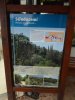
A few other specific aviaries and exhibits at the foot of the zoo which need discussing before we *really* sink our teeth into the meat of the issue:
African Wetland Aviary
This large aviary contains a number of wetland birds; as the name suggests, it primarily focuses on African taxa but it does contain a number of taxa relevant to the category at hand; moreover, in the winter months it is used as a holding aviary for many of the European waterfowl species which are scattered throughout the collection during the more clement months of the year.


The aforementioned list provided by Vision was compiled during the winter, and as such it gives a rather inflated impression of the number of species held within this aviary (considering the fact that as I noted above, many of these species are located in other aviaries or waterfowl ponds during the majority of the year) but it is useful as a basis to refresh my memory!
As such, the following are the category species which, as best I can recall, were located in the aviary in early October 2019:
Slender-billed gull (Chroicocephalus genei)
Black-headed gull (Chroicocephalus ridibundus)
European great cormorant (Phalacrocorax carbo sinensis)
Black-crowned night heron (Nycticorax nycticorax nycticorax)
Grey heron (Ardea cinerea)
Lesser white-fronted goose (Anser erythropus)
Pink-footed goose (Anser brachyrhynchus)
Red-breasted goose (Branta ruficollis)
Common shelduck (Tadorna tadorna)
African sacred ibis (Threskiornis aethiopicus)
Common merganser (Mergus merganser merganser)
Glossy ibis (Plegadis falcinellus)
Little egret (Egretta garzetta garzetta)
Western cattle egret (Bubulcus ibis ibis)
Fulvous whistling-duck (Dendrocygna bicolor)
African Aviaries in/around Hippo House
Near the aforementioned large wetland aviary, there are a number of aviaries both inside the Pygmy Hippopotamus house and outside which contain several species which are relevant for the purposes of this challenge; they are spacious and quite pleasant, and well-suited to the inhabitants of the aviaries in my opinion.
As far as I recall, the relevant taxa held here are as follows:
White wagtail (Motacilla alba alba)
European black redstart (Phoenicurus ochruros gibraltariensis)
Common ringed plover (Charadrius hiaticula)
Eurasian golden plover (Pluvialis apricaria)
Common redshank (Tringa totanus)
Ruff (Philomachus pugnax)
Pied avocet (Recurvirostra avosetta)
Water rail (Rallus aquaticus)
Green-winged teal (Anas crecca crecca)
Collared pratincole (Glareola pratincola)


The exhibits for the category-relevant Pelicans (Great White and American White) is also located around here, comprising the moat for the Angolan Colobus:

Siberian Walkthrough Aviary
I have, of course, already discussed this aviary and the fact that I believe it to be one of the hidden little gems of the collection, of the species held within, almost all occur within the European portion of Siberia (and indeed, Europe as a whole) and therefore it is very much relevant for the category at hand:


The following species list covers those species which occur in Europe:
Siberian goldfinch Carduelis carduelis frigoris
European siskin Carduelis spinus
European linnet Carduelis cannabina cannabina
Yellowhammer Emberiza citrinella
Hawfinch Coccothraustes coccothraustes coccothraustes
Red crossbill Loxia curvirostra curvirostra
Mistle thrush Turdus viscivorus
Fieldfare Turdus pilaris
Common starling Sturnus vulgaris vulgaris
Stock pigeon Columba oenas
Wood pigeon Columba palumbus
Eurasian turtle dove Streptopelia turtur turtur
Great spotted woodpecker Dendrocopos major pinetorum
Black grouse Lyrurus tetrix
The exterior of this aviary contains some admittedly-poor smaller aviaries for Central European Barn Owl (Tyto alba guttata)
Greater Spotted Eagle
This aviary is located close to the Siberian Aviary and the Amur Tiger exhibit, and contains a pair of this unusual and attractive bird of prey. It is large and spacious and as such well-suited to the inhabitants.

African Wetland Aviary
This large aviary contains a number of wetland birds; as the name suggests, it primarily focuses on African taxa but it does contain a number of taxa relevant to the category at hand; moreover, in the winter months it is used as a holding aviary for many of the European waterfowl species which are scattered throughout the collection during the more clement months of the year.
The aforementioned list provided by Vision was compiled during the winter, and as such it gives a rather inflated impression of the number of species held within this aviary (considering the fact that as I noted above, many of these species are located in other aviaries or waterfowl ponds during the majority of the year) but it is useful as a basis to refresh my memory!
As such, the following are the category species which, as best I can recall, were located in the aviary in early October 2019:
Slender-billed gull (Chroicocephalus genei)
Black-headed gull (Chroicocephalus ridibundus)
European great cormorant (Phalacrocorax carbo sinensis)
Black-crowned night heron (Nycticorax nycticorax nycticorax)
Grey heron (Ardea cinerea)
Lesser white-fronted goose (Anser erythropus)
Pink-footed goose (Anser brachyrhynchus)
Red-breasted goose (Branta ruficollis)
Common shelduck (Tadorna tadorna)
African sacred ibis (Threskiornis aethiopicus)
Common merganser (Mergus merganser merganser)
Glossy ibis (Plegadis falcinellus)
Little egret (Egretta garzetta garzetta)
Western cattle egret (Bubulcus ibis ibis)
Fulvous whistling-duck (Dendrocygna bicolor)
African Aviaries in/around Hippo House
Near the aforementioned large wetland aviary, there are a number of aviaries both inside the Pygmy Hippopotamus house and outside which contain several species which are relevant for the purposes of this challenge; they are spacious and quite pleasant, and well-suited to the inhabitants of the aviaries in my opinion.
As far as I recall, the relevant taxa held here are as follows:
White wagtail (Motacilla alba alba)
European black redstart (Phoenicurus ochruros gibraltariensis)
Common ringed plover (Charadrius hiaticula)
Eurasian golden plover (Pluvialis apricaria)
Common redshank (Tringa totanus)
Ruff (Philomachus pugnax)
Pied avocet (Recurvirostra avosetta)
Water rail (Rallus aquaticus)
Green-winged teal (Anas crecca crecca)
Collared pratincole (Glareola pratincola)
The exhibits for the category-relevant Pelicans (Great White and American White) is also located around here, comprising the moat for the Angolan Colobus:
Siberian Walkthrough Aviary
I have, of course, already discussed this aviary and the fact that I believe it to be one of the hidden little gems of the collection, of the species held within, almost all occur within the European portion of Siberia (and indeed, Europe as a whole) and therefore it is very much relevant for the category at hand:
The following species list covers those species which occur in Europe:
Siberian goldfinch Carduelis carduelis frigoris
European siskin Carduelis spinus
European linnet Carduelis cannabina cannabina
Yellowhammer Emberiza citrinella
Hawfinch Coccothraustes coccothraustes coccothraustes
Red crossbill Loxia curvirostra curvirostra
Mistle thrush Turdus viscivorus
Fieldfare Turdus pilaris
Common starling Sturnus vulgaris vulgaris
Stock pigeon Columba oenas
Wood pigeon Columba palumbus
Eurasian turtle dove Streptopelia turtur turtur
Great spotted woodpecker Dendrocopos major pinetorum
Black grouse Lyrurus tetrix
The exterior of this aviary contains some admittedly-poor smaller aviaries for Central European Barn Owl (Tyto alba guttata)
Greater Spotted Eagle
This aviary is located close to the Siberian Aviary and the Amur Tiger exhibit, and contains a pair of this unusual and attractive bird of prey. It is large and spacious and as such well-suited to the inhabitants.
Attachments
Last edited:
Now to deal with the bulk of the European aspect of this category:
Wisent
This is a large and rather pleasant mixed exhibit with Kiang; looking at aerial photographs of the enclosure, the offshow paddocks and housing for these species is relatively substantial and appears to allow the two species to be kept seperate when need be. The wisent group regularly breeds, and per the 2018 annual report the most recent male calf is under consideration for suitability for an upcoming reintroduction programme in the Caucasus.


Eurasian Brown Bear
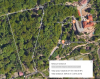
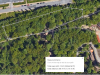
These images only show tiny fractions of the exhibit for this species, which is massive and the best exhibit I have seen for Brown Bear *anywhere* at approximately 3 acres in total.


The following is an image from Google Maps showing the scale of the exhibit:

Wolf
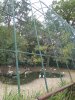
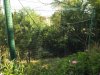
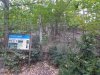
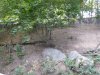
Another relatively large and pleasant exhibit which generally goes almost entirely unremarked-upon on the forum - possibly because of how out of the way it is, in the uppermost corner of the zoo among thick woodland; for all intents and purposes it comprises a stretch of woodland approximately 150 metres long, fenced off and with dens installed within. Until now, it has been entirely unphotographed on the forum - unfortunately my best photographs aren't gallery-worthy, but they are serviceable as attachments:


Wisent
This is a large and rather pleasant mixed exhibit with Kiang; looking at aerial photographs of the enclosure, the offshow paddocks and housing for these species is relatively substantial and appears to allow the two species to be kept seperate when need be. The wisent group regularly breeds, and per the 2018 annual report the most recent male calf is under consideration for suitability for an upcoming reintroduction programme in the Caucasus.
Eurasian Brown Bear
These images only show tiny fractions of the exhibit for this species, which is massive and the best exhibit I have seen for Brown Bear *anywhere* at approximately 3 acres in total.
The following is an image from Google Maps showing the scale of the exhibit:
Wolf
Another relatively large and pleasant exhibit which generally goes almost entirely unremarked-upon on the forum - possibly because of how out of the way it is, in the uppermost corner of the zoo among thick woodland; for all intents and purposes it comprises a stretch of woodland approximately 150 metres long, fenced off and with dens installed within. Until now, it has been entirely unphotographed on the forum - unfortunately my best photographs aren't gallery-worthy, but they are serviceable as attachments:
Attachments
Czech River exhibits, associated domestic collection and Neolithic theming
A little ways along from the bear and wolf exhibits, a large area is taken up with a complex of exhibits showcasing the local Czech river biomes, various farmhouse exhibits for local rare breeds of domestic animal and a mock Neolithic village containing educational theming about the first human inhabitants of Bohemia.
Here, I think it would be apt to directly quote the stocklist provided by Vision in 2017 for this area - it may not be entirely accurate, but as I failed to take detailed notes for this area in October 2019 it is nonetheless an important resource.
The exhibit to which he refers containing "Hibernating animals" contained nominate Grass Snake in both June 2017 and October 2019.
The following photographs depict the Neolithic village:


The following photographs depict the farmhouse complex and environs:


The following photographs depict the Czech River complex:


A little ways along from the bear and wolf exhibits, a large area is taken up with a complex of exhibits showcasing the local Czech river biomes, various farmhouse exhibits for local rare breeds of domestic animal and a mock Neolithic village containing educational theming about the first human inhabitants of Bohemia.
Here, I think it would be apt to directly quote the stocklist provided by Vision in 2017 for this area - it may not be entirely accurate, but as I failed to take detailed notes for this area in October 2019 it is nonetheless an important resource.
Luftnerka farmhouse:
~1-5) A children's zoo with goats, rabbits, chickens, and apparently an attic with owls (didn't know this during my visit, just reading it on the map now)
Czech river:
1) Crucian carp, Carassius carassius
Tench, Tinca tinca
Rudd, Scardinius erythrophthalmus
Pikeperch, Sander lucioperca
Asp, Leuciscus aspius
White bream, Blicca bjoerkna
Common bream, Abramis brama
European perch, Perca fluviatilis
2) Common carp, Cyprinus carpio
Roach, Rutilus rutilus
Wels catfish, Silurus glanis
Pike, Esox lucius
Pikeperch, Sander lucioperca
European eel, Anguilla anguilla
3) Tench, Tinca tinca
Sunbleak, Leucaspius delineatus
Barbel, Barbus barbus
Baltic vimba, Vimba vimba
Rudd, Scardinius erythrophthalmus
Bleak, Alburnus alburnus
Roach, Rutilus rutilus
Ruffe, Gymnocephalus cernua
White bream, Blicca bjoerkna
4) Eurasian otter, Lutra lutra lutra
5) Eurasian otter, Lutra lutra lutra
6) Empty exhibit, with a sign saying 'hybernating animals'
7) Burbot, Lota lota
Ruffe, Gymnocephalus cernua
European perch, Perca fluviatilis
8) Grayling, Thymallus thymallus
Gudgeon, Gobio gobio
Stone loach, Barbatula barbatula
European chub, Squalius cephalus
9) Brown trout, Salmo trutta fario
10) Bullhead, Cottus gobio
Dace, Leuciscus leuciscus
Stone loach, Barbatula barbatula
11) Freshwater pearl mussel, Margaritifera margaritifera
Slender-clawed crayfish, Astacus leptodactylus
Hoofstock pens:
~1-6) Larger pens for horses, goats, sheep, pigs and cattle
7-8) Smaller aviaries for pigeon breeds, close to the wolf exhibit
The exhibit to which he refers containing "Hibernating animals" contained nominate Grass Snake in both June 2017 and October 2019.
Plzen (Zoo) Benesov pigeon* (Columba livia f. domestica*)
Plzen (Zoo) Bohemian forrest fowl (Šumavanka)* (Gallus gallus f. domestica*)
Plzen (Zoo) Bohemian golden bantam* (Gallus gallus f. domestica*)
Plzen (Zoo) Bohemian pigeon (Columba livia f. domestica)
Plzen (Zoo) Border Leicester sheep (Ovis orientalis f. aries)
Plzen (Zoo) Bronze Turkey (Broad Breasted Bronze) (Meleagris gallopavo f. domestica)
Plzen (Zoo) Cayuga Duck (Anas platyrhynchos f. domestica)
Plzen (Zoo) Cesky cernopesikaty* (Oryctolagus cuniculus f. domestica*)
Plzen (Zoo) Czech albin* (Oryctolagus cuniculus f. domestica*)
Plzen (Zoo) Czech checked rabbit (Czech spot) (Oryctolagus cuniculus f. domestica*)
Plzen (Zoo) Czech coldblood* (Equus ferus f. caballus (Syn.: Equus przewalskii f. caballus)*)
Plzen (Zoo) Czech crested goose* (Anser anser f. domestica*)
Plzen (Zoo) Czech Gold-spotted Fowl* (Gallus gallus f. domestica*)
Plzen (Zoo) Czech Landrace (Anser anser f. domestica)
Plzen (Zoo) Czech red cattle* (Bos primigenius f. taurus*)
Plzen (Zoo) Czech red* (Oryctolagus cuniculus f. domestica*)
Plzen (Zoo) Czech Seperator* (Oryctolagus cuniculus f. domestica*)
Plzen (Zoo) Czech Tumbler* (Columba livia f. domestica*)
Plzen (Zoo) Dutch Pied* (Capra aegagrus f. hircus*)
Plzen (Zoo) Dutch pygmy goat* (Capra aegagrus f. hircus*)
Plzen (Zoo) German Grey Heath (Graue gehörnte Heidschnucke) (Ovis orientalis f. aries)
Plzen (Zoo) Girgentana goat (Capra aegagrus f. hircus)
Plzen (Zoo) Haflinger (Equus ferus f. caballus (Syn.: Equus przewalskii f. caballus))
Plzen (Zoo) Hungarian sheep (Racka sheep) (Ovis orientalis f. aries)
Plzen (Zoo) Moravia blue* (Oryctolagus cuniculus f. domestica*)
Plzen (Zoo) Moravia white brown-eyed rabbit* (Oryctolagus cuniculus f. domestica*)
Plzen (Zoo) Moravian strasser (Columba livia f. domestica)
Plzen (Zoo) Ouessant sheep (Ovis orientalis f. aries)
Plzen (Zoo) Pilsen checked rabbit* (Oryctolagus cuniculus f. domestica*)
Plzen (Zoo) Prachen Kanik* (Columba livia f. domestica*)
Plzen (Zoo) Prestice pig* (Sus scrofa f. domestica*)
Plzen (Zoo) Rakovnik Roller* (Columba livia f. domestica*)
Plzen (Zoo) Saxony duck (Anas platyrhynchos f. domestica)
Plzen (Zoo) Skudde (Ovis orientalis f. aries)
Plzen (Zoo) Suffolk sheep (Ovis orientalis f. aries)
Plzen (Zoo) Sumava sheep* (Ovis orientalis f. aries*)
Plzen (Zoo) Tricolored nutria* (Myocastor coypus f. domestica*)
Plzen (Zoo) Valachian sheep (Ovis orientalis f. aries)
Plzen (Zoo) Valais black-necked goat (Glacier goat) (Wallis goat) (Capra aegagrus f. hircus)
Plzen (Zoo) Valais Blacknose (Walliser Schwarznasenschaf) (Ovis orientalis f. aries)
Plzen (Zoo) Bohemian forrest fowl (Šumavanka)* (Gallus gallus f. domestica*)
Plzen (Zoo) Bohemian golden bantam* (Gallus gallus f. domestica*)
Plzen (Zoo) Bohemian pigeon (Columba livia f. domestica)
Plzen (Zoo) Border Leicester sheep (Ovis orientalis f. aries)
Plzen (Zoo) Bronze Turkey (Broad Breasted Bronze) (Meleagris gallopavo f. domestica)
Plzen (Zoo) Cayuga Duck (Anas platyrhynchos f. domestica)
Plzen (Zoo) Cesky cernopesikaty* (Oryctolagus cuniculus f. domestica*)
Plzen (Zoo) Czech albin* (Oryctolagus cuniculus f. domestica*)
Plzen (Zoo) Czech checked rabbit (Czech spot) (Oryctolagus cuniculus f. domestica*)
Plzen (Zoo) Czech coldblood* (Equus ferus f. caballus (Syn.: Equus przewalskii f. caballus)*)
Plzen (Zoo) Czech crested goose* (Anser anser f. domestica*)
Plzen (Zoo) Czech Gold-spotted Fowl* (Gallus gallus f. domestica*)
Plzen (Zoo) Czech Landrace (Anser anser f. domestica)
Plzen (Zoo) Czech red cattle* (Bos primigenius f. taurus*)
Plzen (Zoo) Czech red* (Oryctolagus cuniculus f. domestica*)
Plzen (Zoo) Czech Seperator* (Oryctolagus cuniculus f. domestica*)
Plzen (Zoo) Czech Tumbler* (Columba livia f. domestica*)
Plzen (Zoo) Dutch Pied* (Capra aegagrus f. hircus*)
Plzen (Zoo) Dutch pygmy goat* (Capra aegagrus f. hircus*)
Plzen (Zoo) German Grey Heath (Graue gehörnte Heidschnucke) (Ovis orientalis f. aries)
Plzen (Zoo) Girgentana goat (Capra aegagrus f. hircus)
Plzen (Zoo) Haflinger (Equus ferus f. caballus (Syn.: Equus przewalskii f. caballus))
Plzen (Zoo) Hungarian sheep (Racka sheep) (Ovis orientalis f. aries)
Plzen (Zoo) Moravia blue* (Oryctolagus cuniculus f. domestica*)
Plzen (Zoo) Moravia white brown-eyed rabbit* (Oryctolagus cuniculus f. domestica*)
Plzen (Zoo) Moravian strasser (Columba livia f. domestica)
Plzen (Zoo) Ouessant sheep (Ovis orientalis f. aries)
Plzen (Zoo) Pilsen checked rabbit* (Oryctolagus cuniculus f. domestica*)
Plzen (Zoo) Prachen Kanik* (Columba livia f. domestica*)
Plzen (Zoo) Prestice pig* (Sus scrofa f. domestica*)
Plzen (Zoo) Rakovnik Roller* (Columba livia f. domestica*)
Plzen (Zoo) Saxony duck (Anas platyrhynchos f. domestica)
Plzen (Zoo) Skudde (Ovis orientalis f. aries)
Plzen (Zoo) Suffolk sheep (Ovis orientalis f. aries)
Plzen (Zoo) Sumava sheep* (Ovis orientalis f. aries*)
Plzen (Zoo) Tricolored nutria* (Myocastor coypus f. domestica*)
Plzen (Zoo) Valachian sheep (Ovis orientalis f. aries)
Plzen (Zoo) Valais black-necked goat (Glacier goat) (Wallis goat) (Capra aegagrus f. hircus)
Plzen (Zoo) Valais Blacknose (Walliser Schwarznasenschaf) (Ovis orientalis f. aries)
The following photographs depict the Neolithic village:
The following photographs depict the farmhouse complex and environs:
The following photographs depict the Czech River complex:
Attachments
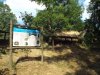
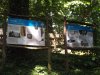
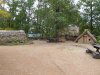
There are a good few other things to say with regards to the Europe-specific aspects of the collection, but so as to make our way around the collection in a methodical fashion we will now deal with the North American zone of the zoo, given the fact that this is close to the area I have just discussed.
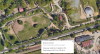
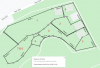
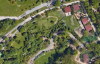
To make describing the layout of this area easier, I have used Google Maps to create both a satellite shot of the area and (using the distance finder to draw lines) roughly marked the size and shape of exhibits under discussion on a second image in map view.


1) Tule Elk
2) California Bighorn Sheep
3) Dall's Sheep
4) Sonora House and environs
5) Central American Aviary
6) Woodchuck
7) Canada Lynx
8) Bobcat
Note that I have not drawn the boundary between 7 & 8, as I am not entirely sure of where the division between them lies due to how thickly-forested this area is.
Tule Elk:
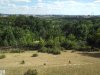
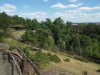
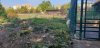
The Tule Elk at Plzen are located within a large and densely-vegetated enclosure at the top of the zoo; the first three of these images comprise an effective "panorama" looking across the span of the exhibit, whilst the fourth has been taken from the side, looking towards the remaining North American hoofstock paddocks. The exhibit visible in the left-background of the first image is the top portion of the Bighorn Sheep exhibit, which is otherwise tricky to view due to how thickly-vegetated this area of the zoo is - although more visible than the Dall's Sheep exhibit, which is located within the mass of trees immediately behind the Elk exhibit and only readily visible from the path below.


California Bighorn and Dall's Sheep
As noted, it is quite difficult to view the main body of these exhibits from the path except during winter, as the vegetation level hides the inhabitants quite well - however, both are sizable and (being partially located on a hillside) contain a large amount of both artificial and genuine rockwork for the inhabitants to climb and scramble around, along with flatter, more open areas closer to their interior housing and hardstanding. Portions of the exhibit for the former species are, as I said above, visible in one of the provided Tule Elk shots; the following image showing the very top of the Dall's Sheep exhibit has previously been uploaded by @twilighter

The hardstanding for these exhibits is visible from the main footpath near the interior housing for the two species, and is relatively large albeit plain - as my map images above hopefully show, both caprine species have quite generous housing and hardstanding.

To make describing the layout of this area easier, I have used Google Maps to create both a satellite shot of the area and (using the distance finder to draw lines) roughly marked the size and shape of exhibits under discussion on a second image in map view.
1) Tule Elk
2) California Bighorn Sheep
3) Dall's Sheep
4) Sonora House and environs
5) Central American Aviary
6) Woodchuck
7) Canada Lynx
8) Bobcat
Note that I have not drawn the boundary between 7 & 8, as I am not entirely sure of where the division between them lies due to how thickly-forested this area is.
Tule Elk:
The Tule Elk at Plzen are located within a large and densely-vegetated enclosure at the top of the zoo; the first three of these images comprise an effective "panorama" looking across the span of the exhibit, whilst the fourth has been taken from the side, looking towards the remaining North American hoofstock paddocks. The exhibit visible in the left-background of the first image is the top portion of the Bighorn Sheep exhibit, which is otherwise tricky to view due to how thickly-vegetated this area of the zoo is - although more visible than the Dall's Sheep exhibit, which is located within the mass of trees immediately behind the Elk exhibit and only readily visible from the path below.
California Bighorn and Dall's Sheep
As noted, it is quite difficult to view the main body of these exhibits from the path except during winter, as the vegetation level hides the inhabitants quite well - however, both are sizable and (being partially located on a hillside) contain a large amount of both artificial and genuine rockwork for the inhabitants to climb and scramble around, along with flatter, more open areas closer to their interior housing and hardstanding. Portions of the exhibit for the former species are, as I said above, visible in one of the provided Tule Elk shots; the following image showing the very top of the Dall's Sheep exhibit has previously been uploaded by @twilighter
The hardstanding for these exhibits is visible from the main footpath near the interior housing for the two species, and is relatively large albeit plain - as my map images above hopefully show, both caprine species have quite generous housing and hardstanding.
Attachments

Sonora House
This very pleasant walkthrough desert house contains a wide range of unusual species native to the deserts of the southwest USA and northern Mexico, including a number of underground viewing windows for species which live in subterranean habitats. The entrance to the house is marked by a large garden courtyard filled with a wide variety of desert plants, along with a large aviary for purebred Eastern Red-tailed Hawk (Buteo jamaicensis borealis).
To the best of my recollection, the various exhibits in the interior of the house currently hold the following species relevant to the challenge at hand; unfortunately I haven't got up-to-date notes for invertebrates.
Mojave Rattlesnake (Crotalus scutulatus)
American Kestrel (Falco sparverius)
Gambel's Quail (Callipepla gambelii)
Hispid Cotton Rat (Sigmodon hispidus)
Southern Flying Squirrel (Glaucomys volans)
Gila Monster (Heloderma suspectum)
Eastern Collared Lizard (Crotaphytus collaris collaris)
San Lucan Rock Lizard (Petrosaurus thalassinus)
Texas Gopher Tortoise (Gopherus berlandieri)
Great Plains Toad (Anaxyrus cognatus)
Green Toad (Bufo debilis)
Chuckwalla (Sauromalus ater)
Desert Iguana (Dipsosaurus dorsalis)
Western Hog-nosed Snake (Heterodon nasicus)
Chihuahua Mountain Kingsnake (Lampropeltis pyromelana knoblochi)
Eastern Tiger Salamander (Ambystoma tigrinum)
Rio Fuerte Beaded Lizard (Heloderma horridum exasperatum)
Merriam's Kangaroo Rat (Dipodomys merriami)


Central American Aviary
Along from the Sonora House, as the path dog-legs down the hillside, a large and pleasantly-designed aviary containing a number of Central American birds of prey and other species can be viewed; it is relevant for our purposes as it contains the following species valid for this category:
Muscovy duck (Cairina moschata)
Western turkey vulture (Cathartes aura aura)
American black vulture (Coragyps atratus)

Groundhog
Unfortunately, I have no first-hand knowledge of this exhibit myself; it is viewed from a cul-de-sac in the path which also leads to the viewing point for the Canadian Lynx and their indoor viewing, and as happenstance would have it, the latter species breeds so well and so regularly at Plzen that the path has been closed due to newborn cubs on *both* of my visits to the collection and as such I have never been able to view the Groundhog exhibit myself. There is only a single image of the exhibit in the gallery - it strikes me as reasonably good, all things considered, and of course the species itself is rather unusual; the only downside to the image is that as it was taken in late autumn the inhabitants will have already entered hibernation, and the exhibit will therefore be a little overgrown and disheveled.

Canada Lynx and Bobcat
Per the above observation, the Canada Lynx at Plzen breed very regularly and as such the path to view their exhibit has been closed on both occasions I have visited. Judging from various scattered references on the forum and in the gallery, most Zoochatters have fallen foul of this problem and as such there are actually NO images of their exhibit in the gallery, barring the following distant shot looking downhill at the elk exhibit, the indoor viewing hut for the lynx and the woodchuck exhibit:

I have had similar problems viewing the Bobcat exhibit, as it happens, having been unable to view it at all in 2017 (closed for breeding) and only viewing it in poor light in 2019, but one or two people *have* managed to photograph this particular exhibit per the following image:

It appears that this exhibit, and probably the Canada Lynx one too, is relatively large but viewing of the exhibit and the inhabitants within is limited due to thick vegetation (unsurprisingly given the satellite images I provided upthread) and the steep slope..... which is no poor thing, given the fact that the increased solitude and scope for the inhabitants to hide from view is doubtless the reason that both species breed so well at Plzen.
----
In terms of exhibits for large mammals pertinent to the topic of North America, there is one more exhibit which must be discussed before we resume discussing European exhibits and a few odds and ends which apply to both geographic zones in question; in the South American zone of Plzen, there is a large and rather good exhibit for Collared Peccary and Ring-tailed Coati, the first of which is a North American native.
Collared Peccary


This very pleasant walkthrough desert house contains a wide range of unusual species native to the deserts of the southwest USA and northern Mexico, including a number of underground viewing windows for species which live in subterranean habitats. The entrance to the house is marked by a large garden courtyard filled with a wide variety of desert plants, along with a large aviary for purebred Eastern Red-tailed Hawk (Buteo jamaicensis borealis).
To the best of my recollection, the various exhibits in the interior of the house currently hold the following species relevant to the challenge at hand; unfortunately I haven't got up-to-date notes for invertebrates.
Mojave Rattlesnake (Crotalus scutulatus)
American Kestrel (Falco sparverius)
Gambel's Quail (Callipepla gambelii)
Hispid Cotton Rat (Sigmodon hispidus)
Southern Flying Squirrel (Glaucomys volans)
Gila Monster (Heloderma suspectum)
Eastern Collared Lizard (Crotaphytus collaris collaris)
San Lucan Rock Lizard (Petrosaurus thalassinus)
Texas Gopher Tortoise (Gopherus berlandieri)
Great Plains Toad (Anaxyrus cognatus)
Green Toad (Bufo debilis)
Chuckwalla (Sauromalus ater)
Desert Iguana (Dipsosaurus dorsalis)
Western Hog-nosed Snake (Heterodon nasicus)
Chihuahua Mountain Kingsnake (Lampropeltis pyromelana knoblochi)
Eastern Tiger Salamander (Ambystoma tigrinum)
Rio Fuerte Beaded Lizard (Heloderma horridum exasperatum)
Merriam's Kangaroo Rat (Dipodomys merriami)
Central American Aviary
Along from the Sonora House, as the path dog-legs down the hillside, a large and pleasantly-designed aviary containing a number of Central American birds of prey and other species can be viewed; it is relevant for our purposes as it contains the following species valid for this category:
Muscovy duck (Cairina moschata)
Western turkey vulture (Cathartes aura aura)
American black vulture (Coragyps atratus)
Groundhog
Unfortunately, I have no first-hand knowledge of this exhibit myself; it is viewed from a cul-de-sac in the path which also leads to the viewing point for the Canadian Lynx and their indoor viewing, and as happenstance would have it, the latter species breeds so well and so regularly at Plzen that the path has been closed due to newborn cubs on *both* of my visits to the collection
and as such I have never been able to view the Groundhog exhibit myself. There is only a single image of the exhibit in the gallery - it strikes me as reasonably good, all things considered, and of course the species itself is rather unusual; the only downside to the image is that as it was taken in late autumn the inhabitants will have already entered hibernation, and the exhibit will therefore be a little overgrown and disheveled.Canada Lynx and Bobcat
Per the above observation, the Canada Lynx at Plzen breed very regularly and as such the path to view their exhibit has been closed on both occasions I have visited. Judging from various scattered references on the forum and in the gallery, most Zoochatters have fallen foul of this problem and as such there are actually NO images of their exhibit in the gallery, barring the following distant shot looking downhill at the elk exhibit, the indoor viewing hut for the lynx and the woodchuck exhibit:
I have had similar problems viewing the Bobcat exhibit, as it happens, having been unable to view it at all in 2017 (closed for breeding) and only viewing it in poor light in 2019, but one or two people *have* managed to photograph this particular exhibit per the following image:
It appears that this exhibit, and probably the Canada Lynx one too, is relatively large but viewing of the exhibit and the inhabitants within is limited due to thick vegetation (unsurprisingly given the satellite images I provided upthread) and the steep slope..... which is no poor thing, given the fact that the increased solitude and scope for the inhabitants to hide from view is doubtless the reason that both species breed so well at Plzen.
----
In terms of exhibits for large mammals pertinent to the topic of North America, there is one more exhibit which must be discussed before we resume discussing European exhibits and a few odds and ends which apply to both geographic zones in question; in the South American zone of Plzen, there is a large and rather good exhibit for Collared Peccary and Ring-tailed Coati, the first of which is a North American native.
Collared Peccary
Attachments
"Underground World" Complex.
Next, we deal with something which I would argue well-deserves a nomination as one of the Great Unsung Zoo Exhibits Of The World.
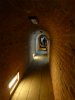
Entered through a small museum which has a regularly-changing array of temporary exhibits alongside more permanent displays (such as the taxidermy remains of several former residents of the zoo), the bulk of this exhibit has been repurposed from a WWII anti-aircraft shelter which extends deep inside the hillside on which much of the zoo sits, and which in the post-war years after the zoo purchased the site had been used for decades as a cool-but-thermostable location for the winter storage of reptiles and delicate plants.
For much of the past decade, however, this area has comprised a series of themed exhibits within the tunnels of the old shelter based around the subject of subterranean life, primarily in Europe and North America, along with a semi-offshow breeding centre for a variety of endangered fish and amphibians, an outdoor exhibit at the exit to the complex themed around Czech herpetofauna, and displays discussing related in-situ conservation projects which the zoo is currently involved in; most notably the attempts to conserve the Olm, a species which if I may digress for a moment would be perfect as a future addition to this exhibit complex
The complex covers the following areas:
Caves of the Czech Republic - a series of exhibits showing a variety of subterranean species native to the Czech Republic, along with educational displays discussing cave formation and geological structures.
Amphibian Ark - This is the aforementioned semi-offshow breeding complex for troglodytic fish and amphibians, visible through an overhead window and the locked glass entrance, which contains approximately 30 tanks.
Underground Spaces of the Mediterranean - similar to the first zone, a variety of educational displays and animal exhibits themed around Mediterranean caves
Caribbean Caves - ditto for the Mediterranean
Evolution of Life - an aquarium display containing a variety of reef species.
Soil Formation - a variety of educational displays about the soil cycle, along with terraria for fossorial invertebrates and amphibians
Thermophytic Flora and Fauna of the Czech Republic - a large greenhouse exhibit containing a variety of heat-tolerant plants set around a small pond, with a variety of native reptiles and birds also within.
The taxa relevant to this category held within this complex are as follows:
Edible Dormouse (Glis glis)
Egyptian Fruit Bat (Rousettus aegyptiacus)
Black Rat (Rattus rattus)
Brown Rat (Rattus norvegicus)
Pallas's Long-tongued Bat (Glossophaga soricina)
Seba's Short-tailed Bat (Carollia perspicillata)
----
White Wagtail (Motacilla alba alba)
----
Green lizard (Lacerta viridis)
Sand Lizard (Lacerta agilis)
Common Lizard (Zootoca vivipara)
----
Common Spadefoot (Pelobates fuscus fuscus)
Common Toad (Bufo bufo)
Cuban Tree frog (Osteopilus septentrionalis)
European Common Brown Frog (Rana temporaria)
European Green Toad (Bufotes viridis)
Majorcan Midwife Toad (Alytes muletensis)
----
Minnow (Phoxinus phoxinus)
Mexican Tetra (Astyanax mexicanus)
Blind Cave Tetra (Astyanax jordani)
----
Brown Ant (Lasius emarginatus)
Earthworm (Lumbricus terrestris)
American Cockroach (Periplaneta americana)
Cuban Burrowing Cockroach (Byrsotria fumigata)
Furniture Beetle (Anobium pertinax)
Cave Cricket (Diestrammena asynamora)
Cave Cricket (Phaeophilacris bredoides)
Cellar Beetle (Blaps mortisaga)
Barn Funnel Weaver (Tegenaria domestica)
Herald (Scoliopteryx libatrix)
European Green Toad (Bufo viridis)


Next, we deal with something which I would argue well-deserves a nomination as one of the Great Unsung Zoo Exhibits Of The World.
Entered through a small museum which has a regularly-changing array of temporary exhibits alongside more permanent displays (such as the taxidermy remains of several former residents of the zoo), the bulk of this exhibit has been repurposed from a WWII anti-aircraft shelter which extends deep inside the hillside on which much of the zoo sits, and which in the post-war years after the zoo purchased the site had been used for decades as a cool-but-thermostable location for the winter storage of reptiles and delicate plants.
For much of the past decade, however, this area has comprised a series of themed exhibits within the tunnels of the old shelter based around the subject of subterranean life, primarily in Europe and North America, along with a semi-offshow breeding centre for a variety of endangered fish and amphibians, an outdoor exhibit at the exit to the complex themed around Czech herpetofauna, and displays discussing related in-situ conservation projects which the zoo is currently involved in; most notably the attempts to conserve the Olm, a species which if I may digress for a moment would be perfect as a future addition to this exhibit complex
The complex covers the following areas:
Caves of the Czech Republic - a series of exhibits showing a variety of subterranean species native to the Czech Republic, along with educational displays discussing cave formation and geological structures.
Amphibian Ark - This is the aforementioned semi-offshow breeding complex for troglodytic fish and amphibians, visible through an overhead window and the locked glass entrance, which contains approximately 30 tanks.
Underground Spaces of the Mediterranean - similar to the first zone, a variety of educational displays and animal exhibits themed around Mediterranean caves
Caribbean Caves - ditto for the Mediterranean
Evolution of Life - an aquarium display containing a variety of reef species.
Soil Formation - a variety of educational displays about the soil cycle, along with terraria for fossorial invertebrates and amphibians
Thermophytic Flora and Fauna of the Czech Republic - a large greenhouse exhibit containing a variety of heat-tolerant plants set around a small pond, with a variety of native reptiles and birds also within.
The taxa relevant to this category held within this complex are as follows:
Edible Dormouse (Glis glis)
Egyptian Fruit Bat (Rousettus aegyptiacus)
Black Rat (Rattus rattus)
Brown Rat (Rattus norvegicus)
Pallas's Long-tongued Bat (Glossophaga soricina)
Seba's Short-tailed Bat (Carollia perspicillata)
----
White Wagtail (Motacilla alba alba)
----
Green lizard (Lacerta viridis)
Sand Lizard (Lacerta agilis)
Common Lizard (Zootoca vivipara)
----
Common Spadefoot (Pelobates fuscus fuscus)
Common Toad (Bufo bufo)
Cuban Tree frog (Osteopilus septentrionalis)
European Common Brown Frog (Rana temporaria)
European Green Toad (Bufotes viridis)
Majorcan Midwife Toad (Alytes muletensis)
----
Minnow (Phoxinus phoxinus)
Mexican Tetra (Astyanax mexicanus)
Blind Cave Tetra (Astyanax jordani)
----
Brown Ant (Lasius emarginatus)
Earthworm (Lumbricus terrestris)
American Cockroach (Periplaneta americana)
Cuban Burrowing Cockroach (Byrsotria fumigata)
Furniture Beetle (Anobium pertinax)
Cave Cricket (Diestrammena asynamora)
Cave Cricket (Phaeophilacris bredoides)
Cellar Beetle (Blaps mortisaga)
Barn Funnel Weaver (Tegenaria domestica)
Herald (Scoliopteryx libatrix)
European Green Toad (Bufo viridis)
Attachments



A few little odds and ends to mop up now:
Dinopark and Asian Garden
These areas of the zoo contain a large number of aviaries, many of which house species which are relevant to this challenge - the majority of the bird species which I listed upthread and which haven't already been specifically cited in exhibit lists can be found in these areas, as can some of the small mammals. These aviaries can be divided into roughly three categories - the hexagonal "bird islands" which I have discussed in previous Zoochat Cup threads pertaining to Plzen, waterfowl ponds and larger aviaries for cranes and other such species.
The list of onshow species within the Dinopark written by @Vision which I have been referring to occasionally over the course of this thread is, of course, out of date - many species are no longer kept, and others have arrived or moved elsewhere in the zoo - but it nonetheless provides a fairly good impression of the "kind" of species located within these aviaries; a comparison of the following list with the list of category-applicable species currently held at Plzen I provided upthread, when those species I have already discussed the location of are taken into account, will hopefully be instructive.
The following images are presented as general representations of the aviaries found in this area, rather than specific illustration:


Miscellaneous Aviaries
Other aviaries and waterfowl ponds of this sort containing challenge-relevant species are dotted throughout the zoo; for instance the following aviary outside the Indian Rhinoceros house:

The new complex of greenhouses containing species found on the Macaronesian islands of the Atlantic - which I discussed in more depth in a previous thread - also contain challenge-relevant taxa:

European Mountain Area
Another area of Plzen which is relevant to the geographic focus of this particular round, and which although currently lacking in any animal exhibits is nonetheless relevant on the basis of theming and educational displays, is the series of rocky paths criss-crossing the hillside running underneath the Mediterraneum, and also between this area and the aforementioned Underground World, Succulent House and Macaronesian greenhouses; these are dotted with plants native to various mountainous habitats within Europe, along with rockwork true to the geological nature of each of these mountain regions and educational signage discussing these regions and (in some cases) the wildlife native to these regions. Although currently lacking any animal exhibits, given the fact that the aforementioned Macaronesian area was merely an extension of this portion of the zoo (and similarly lacking in any animals) when I visited in 2017, but by 2019 had taken the form it has, one could reasonably expect further exhibits may pop up here and there on this hillside. In any case, the exhibit does have merit in its own right on the basis of education, theming and setting a general tone for this area of the zoo.


Venom Corridor in Philippine Pavilion
A number of challenge-relevant species are housed in this area, in pretty high-quality terraria which provide plenty of space for the inhabitants; this area also contains a viewing window into some of the rearing rooms for reptiles held at the collection as a whole, including a number of the species already listed in the Mediterraneum and Succulent house.

Species not already listed:
Sonoran Desert Sidewinder (Crotalus cerastes cercobombus)
Western Diamondback Rattlesnake (Crotalus atrox)
Fitzinger's Algyroides (Algyroides fitzingeri)
This image is for illustrative purposes only:

Dinopark and Asian Garden
These areas of the zoo contain a large number of aviaries, many of which house species which are relevant to this challenge - the majority of the bird species which I listed upthread and which haven't already been specifically cited in exhibit lists can be found in these areas, as can some of the small mammals. These aviaries can be divided into roughly three categories - the hexagonal "bird islands" which I have discussed in previous Zoochat Cup threads pertaining to Plzen, waterfowl ponds and larger aviaries for cranes and other such species.
The list of onshow species within the Dinopark written by @Vision which I have been referring to occasionally over the course of this thread is, of course, out of date - many species are no longer kept, and others have arrived or moved elsewhere in the zoo - but it nonetheless provides a fairly good impression of the "kind" of species located within these aviaries; a comparison of the following list with the list of category-applicable species currently held at Plzen I provided upthread, when those species I have already discussed the location of are taken into account, will hopefully be instructive.
Eurasian bird islands:
[1]
1) Iberian azure-winged magpie, Cyanopica cooki
Spotless starling, Sturnus unicolor
Common pheasant, Phasianus colchicus colchicus
2) Persian jird, Meriones persicus rossicus
3) White-spectacled bulbul, Pycnonotus xanthopygos
Coal tit, Periparus ater ater
Yellowhammer, Emberiza citrinella
Senegal laughing dove, Streptopelia senegalensis senegalensis
Persian pheasant, Phasianus colchicus persicus
[2]
1) Common redstart, Phoenicurus phoenicurus
Rosy starling, Pastor roseus
Rock bunting, Emberiza cia
Red-headed bunting, Emberiza bruniceps
Oriental turtle dove, Streptopelia orientalis orientalis
Baer's pochard, Aythya baeri
Turkmenian pheasant, Phasianus colchicus zarudnyi
2) Steppe lemming, Lagurus lagurus
3) Eastern white-eared bulbul, Pycnonotus leucotis leucotis (ssp. mesopotamia kept behind the scenes)
Chestnut-winged laughingthrush, Dryonastes berthemyi
Slender-billed spotted nutcracker, Nucifraga caryocatactes macrorhynchos
Madagascar turtle dove, Nesoenas picturata picturata
Garganey, Spatula querquedula
Zeravshan pheasant, Phasianus colchicus zerafshanicus
[3]
1) Dark grey tit, Periparus rufonuchalis
Goldfinch, Carduelis carduelis carduelis
Long-tailed rosefinch, Uragus sibiricus sibiricus
Greenfinch, Carduelis chloris chloris
Hawfinch, Coccothraustes coccothraustes coccothraustes
Oriental turtle dove, Streptopelia orientalis orientalis
Chiwa pheasant, Phasianus colchicus chrysomelas
2) Garden dormouse, Eliomys quercinus
3) Azure tit, Cyanistes cyanus
Goldfinch, Carduelis carduelis carduelis
Song thrush, Turdus philomelos philomelos
European bullfinch, Pyrrhula pyrrhula pyrrhula
Red-backed shrike, Lanius collurio
Red-vented bulbul, Pycnonotus cafer
Red-headed bunting, Emberiza bruniceps
Green-winged teal, Anas crecca crecca
Cypriot chukar partridge, Alectoris chukar cypriotes
Formosan pheasant, Phasianus colchicus formosanus
[4]
1) Spotted nutcracker, Nucifraga caryocatactes
White-shouldered starling, Sturnia sinensis
Black-breasted thrush, Turdus dissimilis
Chinese spotted dove, Streptopelia chinensis chinensis
Green-winged teal, Anas crecca crecca
Water rail, Rallus aquaticus
Mikado pheasant, Syrmaticus mikado
2) Empty exhibit
3) Siamese white-crested laughingthrush, Garrulax leucolophus diardi
Red-backed shrike, Lanius collurio
Chinese spotted dove, Streptopelia chinensis chinensis
Baikal teal, Sibirionetta formosa
Korean pheasant, Phasianus colchicus karpowi
Sichuan pheasant, Phasianus colchicus strauchi
[5]
1) Asian azure-winged magpie, Cyanopica cyanus
Black-collared starling, Gracupica nigricollis
Purple-backed starling, Agropsar sturninus
Baer's pochard, Aythya baeri
Pallas' pheasant, Phasianus colchicus pallasi
2) Reed vole, Microtus fortis
3) White-headed black bulbul, nominate
Grey-backed thrush, Turdus hortulorum
Moustached laughingthrush, Ianthocincla cineracea
Black redstart, Phoenicurus ochruros gibraltariensis
Chinese spotted dove, Streptopelia chinensis chinensis
Baer's pochard, Aythya baeri
Chinese pheasant, Phasianus colchicus torquatus
The following images are presented as general representations of the aviaries found in this area, rather than specific illustration:
Miscellaneous Aviaries
Other aviaries and waterfowl ponds of this sort containing challenge-relevant species are dotted throughout the zoo; for instance the following aviary outside the Indian Rhinoceros house:
The new complex of greenhouses containing species found on the Macaronesian islands of the Atlantic - which I discussed in more depth in a previous thread - also contain challenge-relevant taxa:
European Mountain Area
Another area of Plzen which is relevant to the geographic focus of this particular round, and which although currently lacking in any animal exhibits is nonetheless relevant on the basis of theming and educational displays, is the series of rocky paths criss-crossing the hillside running underneath the Mediterraneum, and also between this area and the aforementioned Underground World, Succulent House and Macaronesian greenhouses; these are dotted with plants native to various mountainous habitats within Europe, along with rockwork true to the geological nature of each of these mountain regions and educational signage discussing these regions and (in some cases) the wildlife native to these regions. Although currently lacking any animal exhibits, given the fact that the aforementioned Macaronesian area was merely an extension of this portion of the zoo (and similarly lacking in any animals) when I visited in 2017, but by 2019 had taken the form it has, one could reasonably expect further exhibits may pop up here and there on this hillside. In any case, the exhibit does have merit in its own right on the basis of education, theming and setting a general tone for this area of the zoo.
Venom Corridor in Philippine Pavilion
A number of challenge-relevant species are housed in this area, in pretty high-quality terraria which provide plenty of space for the inhabitants; this area also contains a viewing window into some of the rearing rooms for reptiles held at the collection as a whole, including a number of the species already listed in the Mediterraneum and Succulent house.
Species not already listed:
Sonoran Desert Sidewinder (Crotalus cerastes cercobombus)
Western Diamondback Rattlesnake (Crotalus atrox)
Fitzinger's Algyroides (Algyroides fitzingeri)
This image is for illustrative purposes only:
Attachments
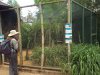
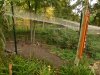
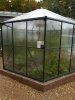
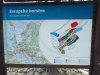
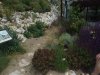
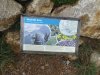
This is really quite exceptional work, Dave.
Thanks
I've mostly been working from copious notes I took during my 2017 visit on the off-chance that I felt up to writing a more in-depth walkthrough account of the Czech collections I visited on that trip.... thought I might as well put them to some use rather than leave them neglected!Pretty damn sure I've forgotten a few things
and there are a few things that could do with better illustration (waterfowl exhibits, for instance, and of course the trickier-to-view North American stuff) but hopefully I have demonstrated my case well - including, I hope, the conservation and education work the collection undertakes in this area.
Pretty damn sure I've forgotten a few things
You have a few mistakes in some of the exhibit sizes, but those are not really major issues.
The wisent group regularly breeds, and per the 2018 annual report the most recent male calf is under consideration for suitability for an upcoming reintroduction programme in the Caucasus.
This has indeed happened. Other conservation programmes for relevant species are:
• Protection and monitoring of Corn Crake in district of Plzen
• Reintroduction of Barn owl and Little Owl in Czechia
• Planting endangered species of plants (as Plzen is a botanical garden too)
• Monitoring and protection of Amphibians during spring migration.
To the best of my recollection, the various exhibits in the interior of the house currently hold the following species relevant to the challenge at hand; unfortunately I haven't got up-to-date notes for invertebrates.
Sonora house is now undergoing reconstruction, with some species changes planned as well, but I don't know anything specific and relevant for this round
Last edited: