Taronga Western Plains Zoo Taronga Western Plains Zoo News 2022

Tasmanian Devil Update

Devils on display

Three of the world’s largest surviving carnivorous marsupial have stepped out of their nest boxes and into their new public exhibit for the first time at Taronga Western Plains Zoo. Situated opposite the Billabong Camp and next to the Australian walk-through exhibit.

Pecorino, who is completely black, came to Dubbo in 2020 and had a successful first breeding season, giving birth to four healthy joeys in 2021. Sisters Philus and Mija were born at the zoo in 2019 and both have white stripes on their chests.

Since commencement of the breeding program (2008), Taronga Western Plains Zoo has successfully bred 50 joeys in a dedicated behind-the-scenes breeding facility. The Zoo has now transitioned to an ambassador role within the region for this species as insurance population goals have been met and wild populations are exhibiting a resistance to the disease.
 
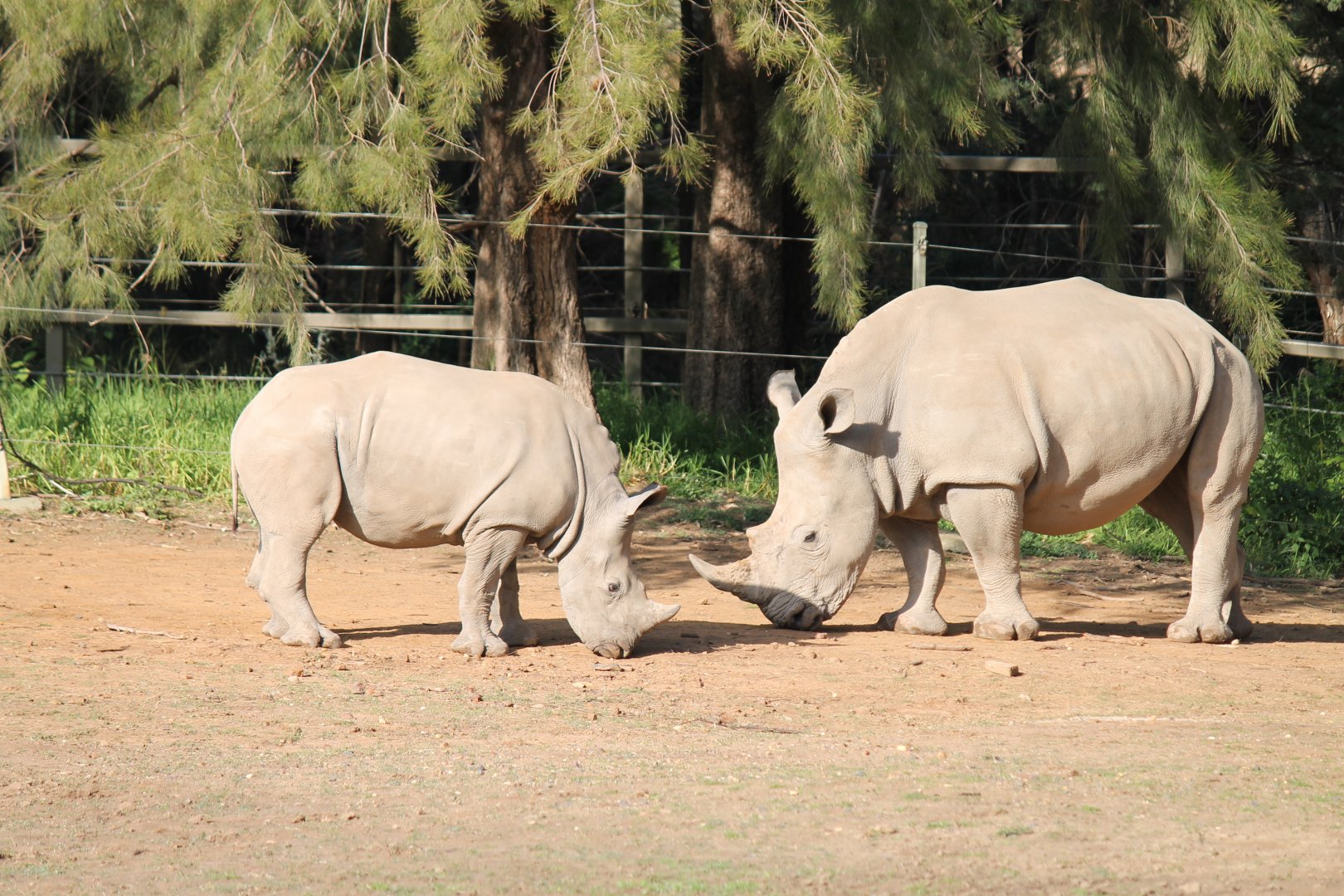
Meeka, the two year old White Rhino has passed away from a sudden illness. An investigation into the illness is underway. Devastating news for everyone involved :(

I hope they share the results of the investigation. Dubbo are usually good at this, but many other zoos say they’ll be launching a full investigation (because they know it’s what people want to hear) and then never bother to share the results.
 
I hope they share the results of the investigation. Dubbo are usually good at this, but many other zoos say they’ll be launching a full investigation (because they know it’s what people want to hear) and then never bother to share the results.
Dubbo have had some wonderful success with rhinos, but they’ve also had some shocking tragedies. There were the 4 White rhino females that died in May 2012, and of course Rajah the Indian rhino’s death from tetanus.
Did they ever come up with a conclusive cause of death for the ones in 2012? Interestingly, Meeka has died in May also. I wonder if her symptoms were the same?
 
Did they ever come up with a conclusive cause of death for the ones in 2012? Interestingly, Meeka has died in May also. I wonder if her symptoms were the same?

No, I don’t believe the cause of death was ever announced (if it was identified).

A few zoos in the region have lost multiple rhinos in the space of a week due to apparently unidentified causes. Auckland Zoo lost a mother and five year old daughter two days apart, which was a huge blow to their breeding programme. One of the suggested causes is a soil or browse contaminant/bacteria, which I believe will be found to be the cause of Meeka’s death.
 
No, I don’t believe the cause of death was ever announced (if it was identified).

A few zoos in the region have lost multiple rhinos in the space of a week due to apparently unidentified causes. Auckland Zoo lost a mother and five year old daughter two days apart, which was a huge blow to their breeding programme. One of the suggested causes is a soil or browse contaminant/bacteria, which I believe will be found to be the cause of Meeka’s death.
Yes, I’m thinking the same. I know it’s unavoidable, but they do run these animals intensively on the same patch of dirt for decades, so it does give nasty things a chance to build up.
The only thing I’ve seen that drops cattle fast with symptoms that could be interpreted as neurological is Grass Tetany. They stagger, drop and convulse. They’re dead within 10 minutes. It’s an horrific thing to watch. It’s a lack of magnesium when the first flush of spring grass comes on and the cows are lactating. Obviously, that’s not what happened here, but I wonder where they get their feed from? If there’s something in it, or something lacking at this time of year? And it seems to be (only?) females that are affected?
 
Not only is this a huge loss for the breeding program, as Meeka was a young female and Satara had just been transferred in from Monarto, but it’s also very sad on an individual level. Meeka was such a character, and her keepers said she was a very friendly rhino. She will be missed very much by both staff and visitors. Here she is in June, 2020. She was being very playful that day and was a joy to watch.
 
Obviously, that’s not what happened here, but I wonder where they get their feed from? If there’s something in it, or something lacking at this time of year? And it seems to be (only?) females that are affected?

Interesting! Yes, the four white rhinos that died at Dubbo were all female; as were the two that died at Auckland Zoo in 2003. The other rhinos, including two bulls and a juvenile calf, were noted to be off their feed but recovered; while the two adult cows deteriorated. Their deaths were blamed on a bacteria in the feed.

The Dubbo rhinos died in March; the Auckland rhinos died in September - so to date, summer appears to be the safest season.

Auckland Zoo had five giraffe die in seven years and decided to investigate when they noticed they all died in July (New Zealand’s coldest month). A study revealed the browse provided insufficient nutrition, which became a critical issue in July when the temperature dropped and they were using the nutrition for thermoregulation. Symptoms in a two year old female, who collapsed in her paddock, were similar to what you describe; the others were found dead overnight,
 
So many variables, and if it is nutritional rather than pathogenic, it is going to be difficult to pinpoint. I hope they do get a definitive answer, whatever the case, so they may be able to prevent it happening again.
 
So many variables, and if it is nutritional rather than pathogenic, it is going to be difficult to pinpoint. I hope they do get a definitive answer, whatever the case, so they may be able to prevent it happening again.

Interestingly, tests ruled out a bacterial contaminant in the Dubbo deaths (which was proposed as the cause of the death of Auckland’s females):

Tests have ruled out exposure to toxins, bacterial infection, snake venom and organ failure as the cause of death, as well as viruses including Hendra and West Nile Virus.

The World Today - Zoo investigates mysterious rhino deaths 21/03/2012

Like you say, so many possible causes, but either way a tragedy and a set back in establishing succession within the regional population (I won’t say herd, as it’s common practice to transfer females out these days).
 
Back
Top