The zoo's 33 year old potto Chaggah died. This post say that there is a new potto at the zoo.
Franklin Park Zoo
Franklin Park Zoo

I’m very sad about that. I really want to know where Joey, the new potto, came from as there’s only a few potto holders in the United States.The zoo's 33 year old potto Chaggah died. This post say that there is a new potto at the zoo.
Franklin Park Zoo

That would make sense. It’s too bad that there’s not really any males left that they could send to Franklin Park Zoo for breeding.I recall a Facebook Live Video about the Potto on exhibit that the zoo did sometime in the post year. From my memory, they said they had two pottos, a male and a female. They said they lived separately except when breeding, so visitors see one on exhibit while one lived off exhibit. My guess is that the "new" potto, Joey (a female) is not new to the zoo but had been living behind the scenes. That would also explain how they could have a replacement so quickly.
I just realized that I had a spelling error here and I hate leaving these errors without correcting them. I'm sorry about that.This post say that
I believe that "Joey" is the name of the female potto, not a potto belonging to a specific gender or age range.If they brought in a new joey will they house it alone?
Are the zoos that still have pottos breeding them? I always assumed that the species is being phased out of North American collections.That would make sense. It’s too bad that there’s not really any males left that they could send to Franklin Park Zoo for breeding.

That’s so sadI can confirm that the adult female Potto, named Joey, has lived behind the scenes in the Tropical Forest for years. She is new to the exhibit but not new to the zoo. She is also, in all likelihood, the last Potto that will ever be exhibited at Franklin Park.


I can confirm that the adult female Potto, named Joey, has lived behind the scenes in the Tropical Forest for years. She is new to the exhibit but not new to the zoo. She is also, in all likelihood, the last Potto that will ever be exhibited at Franklin Park.
Why is this likely the last potto? Are pottos phasing out in AZA zoos as the current population dies out?

Unfortunately the population is not doing too well, as there are currently only 10 individuals at 4 institutions in the United States. Half of those individuals were born at Franklin Park, all of whom are related, so there are definitely issues in terms of the population's genetic diversity. Unless new founders were imported (which seems unlikely), I'd expect Pottos to be phased out and for their spaces to be reallocated for other nocturnal primates, like Pygmy Slow Lorises.
On a bittersweet note, while the news of Chaggah's passing is sad, it also shines a light on Zoo New England's past success with breeding Pottos-- a track record that most people are probably unaware of. I am personally planning to spend more time at the Potto exhibit than usual the next time I go to FPZ, as Chaggah's passing has made me realize that I have no idea how much longer Joey--or any Pottos--will still be around. It will be important to appreciate their species in person while I still can.

Not to detract from the thread any further, but I do think nocturnal *houses* are on their way out while individual nocturnal *exhibits* aren't. Bat exhibits are very popular, and incorporating individual nocturnal habitats in a larger system (e.g. Central Park's Tropic Zone bat cave, San Diego's nocturnal platypus habitat within Walkabout Australia, Bronx' gray mouse lemur habitat/aardvark habitat/African rock python habitat, some others I can't think of off the top of my head) are the way zoos are still keeping them in place. Audubon actually OPENED a Nocturnal House relatively recently, and Mesker Park reopened their nocturnal wing in the Kley Memorial Building. Philadelphia's currently debating housing their vampire bats in Carnivore Kingdom/"Water is Life" area or the Rare Animal Conservation Center, and also has a mini nocturnal section in PECO Primate Reserve for aye-aye, Madagascar giant jumping rat, galago and slow loris. North Carolina's also embracing their nocturnal wing with the acquisition of grey mouse lemurs in their Desert Dome. Individual nocturnal houses may be on their way out, but nocturnal *exhibits* (if done correctly) will remain popular for the forseeable future.While I understand the negative sentiment regarding any phase-out species, the potto is a species that a phase out from North American collections would likely be for the better. For better or for worse, nocturnal exhibits have been on their way out of North American collections for a while now, and with the decline of nocturnal exhibits, there is simultaneously a decline in space/interest for nocturnal primates in zoos. There simply isn't the space to manage all the species of nocturnal primates historically held by zoos anymore. Given the choice, I'd much rather see a future for pygmy slow lorises, an endangered species, in US Zoos, than the near-threatened West African potto, and these are two species with similar behaviors and similar needs in which spaces can be easily interchangeable. For zoos with dedicated African exhibits with potto, Moholi Bushbaby is still managed by the AZA, so will be a great choice for zoos that remain interested in an African nocturnal prosimian.
I'm inclined to agree with you. There are certainly plenty of smaller nocturnal exhibits around that I don't for see going away any time soon, and that includes quite a few really good ones. However, the point I was making was about the overall number of spaces for nocturnal species in zoos. Since larger nocturnal houses are on their way out, the number of spaces available for zoos to house nocturnal species is on the decline, and as such the AZA won't have the space to manage as many nocturnal primates (and other species for that matter) as it once did. It would take an extremely high number of smaller nocturnal displays in order to compensate for the loss of larger nocturnal houses, and as it stands right now, none of the AZA populations for nocturnal primates are in high numbers, so there is a real need to prioritize a smaller number of species and dedicate those spaces that remain for those species.Not to detract from the thread any further, but I do think nocturnal *houses* are on their way out while individual nocturnal *exhibits* aren't. Bat exhibits are very popular, and incorporating individual nocturnal habitats in a larger system (e.g. Central Park's Tropic Zone bat cave, San Diego's nocturnal platypus habitat within Walkabout Australia, Bronx' gray mouse lemur habitat/aardvark habitat/African rock python habitat, some others I can't think of off the top of my head) are the way zoos are still keeping them in place. Audubon actually OPENED a Nocturnal House relatively recently, and Mesker Park reopened their nocturnal wing in the Kley Memorial Building. Philadelphia's currently debating housing their vampire bats in Carnivore Kingdom/"Water is Life" area or the Rare Animal Conservation Center, and also has a mini nocturnal section in PECO Primate Reserve for aye-aye, Madagascar giant jumping rat, galago and slow loris. North Carolina's also embracing their nocturnal wing with the acquisition of grey mouse lemurs in their Desert Dome. Individual nocturnal houses may be on their way out, but nocturnal *exhibits* (if done correctly) will remain popular for the forseeable future.
I agree that as nocturnal displays go, FPZ has a fairly good one for the potto exhibit. It would serve as an equally good nocturnal display in the future housing a separate nocturnal primate species, if that's the route the zoo decides to take.Displays of nocturnal species may be on the decline, and I acknowledge that they don't always provide the best viewing experiences for visitors, but I will say that the potto exhibit at Franklin Park Zoo is very accessible and visible to the public. Of all nocturnal exhibits I've seen, it provides one of the most enjoyable viewing experiences. I assume the potto liked it too because he was often active during my visits.
Now I have a question that I was hoping someone could answer since I haven’t been to the zoo in a few months.
What are they doing with the tiger enclosure now that Anala passed? Is it empty? Are they working to acquire another species?


I visited yesterday, and I saw the potto on exhibit. Last month the exhibit was completely emptied. Now there are many more limbs and branches than before.
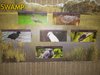
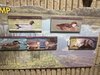
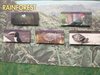
There might have been some new inhabitants of Bird's World. I don't know every species that lived there, but some seemed new to my memory. I took photos of some signs hoping someone else might know. The birds in each room seemed much more active than usual which I suspect was due to the people we could hear above the exhibits. The increased activity made for a fun visit.
View attachment 609555 View attachment 609556 View attachment 609557 View attachment 609558