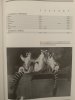
It's back (the 'You Belong In the Zoo' style ad) - Perth Zoo had version of it aired in 1986 that used all the footage from Taronga (and only had half of the actual species in the video lol, at end is b+w photo of Mzuri at Melbourne f.s.u.r). Is footage of one of the brownish-black coloured American black bears at Taronga at the time:
*animal species they did have at time of commercial (but all are Taronga's)
Asian elephant (Tricia 0.1, but thats Ranee 0.1 at TZ in footage)
Bornean x Sumatran orangutan (probably 0.1 Anne in footage at TZ thanks @ Zoofan15, PZ was about to export last ones to India at time of this ad)
Chimpanzee (1.1 Jamie & Lollipop, thats think 1.0 Danny at TZ in footage)
Common wombat
Dromedary camel
Galah
Lion
Major Mitchell's cockatoo (possibly not)
Red kangaroo
Saltwater crocodile
Wedgetail eagle
**If the tortoise was a Galapagos then was filmed at WPZ (if Aldabra filmed at Taronga, PZ did have 1.1 Aldabra tortoises in '81 not sure when they left or passed).
*PZ didn't have
American black bear (not since at least 1970s probably before)
Black rhino (not since 1981 when 0.1 Dynah was returned to TZ)
Common hippopotamus (not since 1.0 Pondo died in mid 1955)
Galapagos tortoise (if not Aldabra, think films Dubbo WPZ, PZ did have 1.1 Aldabra tortoises in 1981)
Giraffe (at that time not since 1976, returned in May 1990 when 2 males came from Fota)
Harbour seal (never)
Leopard seal (never)
Lionfish (maybe never)
Moray eel (maybe never)
Red panda (first to come to zoo was 0.1 Rani in September 1995)
Southern boobook owl,
Stump-tailed macaque (the zoo had lots of other macaque species but not this one at time)
Western lowland gorilla (never have)
It's back (the 'You Belong In the Zoo' style ad) - Perth Zoo had version of it aired in 1986 that used all the footage from Taronga (and only had a fraction of the actual species in the video lol, at end is b+w photo of Mzuri at Melbourne f.s.u.r). Is footage of one of the brownish-black coloured American black bears at Taronga at the time:
*animal species they did have at time of commercial (but all are Taronga's)
Asian elephant (Tricia 0.1, but thats Ranee 0.1 in footage), Bornean x Sumatran orangutan (think maybe 0.1 Wanita in footage at TZ, PZ was about to export last ones to India at time), chimpanzee (1.1 Jamie & Lollipop, thats think 1.0 Danny at TZ in footage), common wombat, dromedary camel, galah, lion, Major Mitchell's cockatoo, red kangaroo, saltwater crocodile, southern boobook owl, wedgetail eagle
That ad certainly did the rounds. They should have put a disclaimer at the start saying “advertised product subject to locational availability” as in a pre-Internet age where the general public couldn’t have readily searched these things, a number would have turned up expecting to see a gorilla (and driven the staff nuts asking about it).
We determined the orangutan was likely Anne:
0.1 Anne (Hybrid)
Born at Taronga Zoo 23/08/1977
Died at Taronga Zoo 07/04/1985
Sire: Roy; Dam: Judy II
It's back (the 'You Belong In the Zoo' style ad) - Perth Zoo had version of it aired in 1986 that used all the footage from Taronga (and only had half of the actual species in the video lol, at end is b+w photo of Mzuri at Melbourne f.s.u.r). Is footage of one of the brownish-black coloured American black bears at Taronga at the time:
*animal species they did have at time of commercial (but all are Taronga's)
Asian elephant (Tricia 0.1, but thats Ranee 0.1 at TZ in footage)
Bornean x Sumatran orangutan (probably 0.1 Anne in footage at TZ thanks @ Zoofan15, PZ was about to export last ones to India at time of this ad)
Chimpanzee (1.1 Jamie & Lollipop, thats think 1.0 Danny at TZ in footage)
Common wombat
Dromedary camel
Galah
Lion
Major Mitchell's cockatoo (possibly not)
Red kangaroo
Saltwater crocodile
Wedgetail eagle
**If the tortoise was a Galapagos then was filmed at WPZ (if Aldabra filmed at Taronga, PZ did have 1.1 Aldabra tortoises in '81 not sure when they left or passed).
*PZ didn't have
American black bear (not since at least 1970s probably before)
Black rhino (not since 1981 when 0.1 Dynah was returned to TZ)
Common hippopotamus (not since 1.0 Pondo died in mid 1955)
Galapagos tortoise (if not Aldabra, think films Dubbo WPZ, PZ did have 1.1 Aldabra tortoises in 1981)
Giraffe (at that time not since 1976, returned in May 1990 when 2 males came from Fota)
Harbour seal (never)
Leopard seal (never)
Lionfish (maybe never)
Moray eel (maybe never)
Red panda (first to come to zoo was 0.1 Rani in September 1995)
Southern boobook owl,
Stump-tailed macaque (the zoo had lots of other macaque species but not this one at time)
Western lowland gorilla (never have)
Be informed that in 1988 a fellow by the name of John Roberts got his hands on some Galapagos tortoises hatched at the San Diego Zoo and brought them back to his facility. He owned and managed the Egerton Stud Farm. However, these Galapagos tortoise only arrived at the Perth Zoo in 2006...., when said gentleman donated them to the zoo. Their names: Cerro, Sierra and the No. 3 I never got a tag on other they were all males on import. Male Sierra passed away in 2024 and No. 3 had "vanished" by then too.
Now as this footage predates these factotums ... I propose that the video is about one of the Galapagos tortoise from Taronga/WPZ. A little note: Taronga Zoo was among the consortium of zoos that received some Galapagos tortoises from the famous Townsend Expedition in 1928/29. To be precise 6 individuals were imported originally and for a long time Taronga\TWZ had cited these were Chelonoidis guentheri. All except for 1 individual, female T3, have since passed away..., and T3 is now the breeding female.
Be informed that in 1988 a fellow by the name of John Roberts got his hands on some Galapagos tortoises hatched at the San Diego Zoo and brought them back to his facility. He owned and managed the Egerton Stud Farm. However, these Galapagos tortoise only arrived at the Perth Zoo in 2006...., when said gentleman donated them to the zoo. Their names: Cerro, Sierra and the No. 3 I never got a tag on other they were all males on import. Male Sierra passed away in 2024 and No. 3 had "vanished" by then too.
Now as this footage predates these factotums ... I propose that the video is about one of the Galapagos tortoise from Taronga/WPZ. A little note: Taronga Zoo was among the consortium of zoos that received some Galapagos tortoises from the famous Townsend Expedition in 1928/29. To be precise 6 individuals were imported originally and for a long time Taronga\TWZ had cited these were Chelonoidis guentheri. All except for 1 individual, female T3, have since passed away..., and T3 is now the breeding female.
Thanks for the history about. All the footage of the above ad was filmed at Taronga Zoo in 1981 ** (although perhaps they filmed the tortoise at Western Plains Zoo, or even if the original tortoises were quarantined at Taronga first, notice the grass beneath the tortoise's feet is not the setup of the Aldabra's residence at Taronga which is soil terrained, so perhaps the foorage was taken at a b.t.s grassy lawn at Taronga if the Galapagos tortoise(es) stayed at Taronga enroute to Dubbo (@Zorro when you visited just after it opened in 1977 were the Galapagos tortoises part of the original residence do you recall?). The tortoise appeared to be in the 1981 footage too (TZ).
**some of the footage may have been later additional footage like the American black bear (would of still been filmed at Taronga, the rest was from about 1981). Think Perth Zoo took what was Melbourne Zoo's original copy of Taronga's ad shortened and added photo of Mzuri to the end which Perth Zoo didnt either get the chance to/or the want to of editing out and just had their zoo logo and announcement added on at the end (Melbourne Zoo would later air a version of the ad that half of featured footage of their own animals such as their gorillas,one of the Syrian brown bears, one of their b+w colobuses, Javan langur etc.
Thanks for the history about. All the footage of the above ad was filmed at Taronga Zoo in 1981 ** (although perhaps they filmed the tortoise at Western Plains Zoo, or even if the original tortoises were quarantined at Taronga first, notice the grass beneath the tortoise's feet is not the setup of the Aldabra's residence at Taronga which is soil terrained, so perhaps the foorage was taken at a b.t.s grassy lawn at Taronga if the Galapagos tortoise(es) stayed at Taronga enroute to Dubbo (@Zorro when you visited just after it opened in 1977 were the Galapagos tortoises part of the original residence do you recall?). The tortoise appeared to be in the 1981 footage too (TZ).
**some of the footage may have been later additional footage like the American black bear (would of still been filmed at Taronga, the rest was from about 1981). Think Perth Zoo took what was Melbourne Zoo's original copy of Taronga's ad shortened and added photo of Mzuri to the end which Perth Zoo didnt either get the chance to/or the want to of editing out and just had their zoo logo and announcement added on at the end (Melbourne Zoo would later air a version of the ad that half of featured footage of their own animals such as their gorillas,one of the Syrian brown bears, one of their b+w colobuses, Javan langur etc.
would be before 2023 but after 2020. the new cafe isn't there (finished 2023) but the woodchips and path for food trucks (i'm pretty sure these where add'd in or after 2020, however i'm happy to be proven wrong)
It's some of the native (especially local Western Australian) birds, frogs, mammals that and reptiles the zoo had collected from the wild from March '97 to March '98 (mostly about the s.b echidnas, believe six).
There's a really interesting old satellite aerial photos tool on Landgate Map Viewer Plus (specifically for Western Australia), if one looks up 20 Labouchere Rd (i.e Perth Zoo) which will take you to a recent satellite aerial just before Gibbon Crossing was completed (the main lake is still drained of water in the last aerial), but if you click on the camera icon on the top right-hand side, there is a whole list of old aerials dating back to one in 1953 and several ones from the 1960s, 1970s and 1980s. 1 from 1995, and from 2000 to now fairly often. Personally thought that they are interesting to see.
Can see the old layout of the zoo grounds, and old exhibits like the old bear pits, primates and cats cages, ungulate yards; and can see some of the exhibits along the way under construction such as the main lake's appearance in the early 1970s, followed by the nocturnal house in the late '70s; the orangutans complex both under construction and then completed, the big cats complex (Sumatran tigers specifically Jaya's abode of recent times), the construction of the lesser primates complex, the construction of the African savannah in the late 1980s, the consruction of whats now otters, binturongs & Raja the komodo dragons exhibits - but was for the Syrian brown bears & sun bears originally, and others too like the homestead and rainforest retreat, bushwalk etc. Some other landmarks that are noticeable to see are: the old little penguins poolwater too where it used to be near the the carousel and main cafe, and Tricia the elephant's old notoriously small enclosure - its nice to see when whats Putra Mas's yard now, appears in construction in the 1980s and became Tricia's home in '86. Can see Memphis the rhino's old exhibit setup, how it used to be in the '90s; and the adjacent old meerkat exhibit, and the old small hyena exhibit where the meerkat exhibit is now, the old Japanese macaque cage near the entry of the savannah).
The Landgate website doesnt generate direct links as far as can work out for going to see the aerial maps for a particular location and date directly, so couldnt share specific links, it has to be done manually, but if anyone is interested just follow the prompts that I mentioned above and will be able to see.
Some interesting comments regarding the orangutan colony. The ‘rationalisation’ of the colony they refer to would have been the export of the hybrids to Indian zoos like Hyderabad. It’s interesting to see the birth of ‘Udara’ celebrated, despite her being the product a father-daughter mating and having the unrelated Hsing Hsing (then 12 years old) already on site.
I’m also intrigued by the investigation into the reproductive cycle of the Bornean orangtuan (Mawas). The younger Bornean female (Binte) had been exported to Singapore Zoo; but Mawas had remained at Perth. The investigation could have been to see if there was any value in sending her to Auckland Zoo, who opened their Orangtuan Park (housing Bornean orangutan) in 1987; or perhaps it was merely for the sake of data collection on reproductive parameters or to establish whether Mawas could be housed with reproductive aged Sumatran males in Perth’s colony without the need for contraception to prevent hybrids being born.
The 2.2 African lions June 1986 were the juvenile male Alistair (born January 1986); Alistair’s mother (Simbella); Alistair’s father (Louie), who was also Simbella’s father; and a fourth female that I assume was Simbella’s mother or sister. It’s interesting to note that a litter of female twins were born sometime between June 1986 and June 1987, that died as neonates. It’s unclear whether their mother was the other female; or Simbella, who could have theoretically given birth again around 16 months after Alistair was born (circa May 1987).
The death of Louie in 1987 ended Perth Zoo’s breeding pride of lions, with Alistair subsequently vasectomised. It was noted in this same report that the zoo had found vasectomising males a suitable form of contraception. Simbella died in 1989 and I would assume the other lioness lived until 1993/1994, as I doubt Perth would have kept Alistair on his own from 1989 until Manzi and Mafuta arrived from Melbourne Zoo in 1994.
The 2.2 African lions June 1986 were the juvenile male Alistair (born January 1986); Alistair’s mother (Simbella); Alistair’s father (Louie), who was also Simbella’s father; and a fourth female that I assume was Simbella’s mother or sister. It’s interesting to note that a litter of female twins were born sometime between June 1986 and June 1987, that died as neonates. It’s unclear whether their mother was the other female; or Simbella, who could have theoretically given birth again around 16 months after Alistair was born (circa May 1987).
The death of Louie in 1987 ended Perth Zoo’s breeding pride of lions, with Alistair subsequently vasectomised. It was noted in this same report that the zoo had found vasectomising males a suitable form of contraception. Simbella died in 1989 and I would assume the other lioness lived until 1993/1994, as I doubt Perth would have kept Alistair on his own from 1989 until Manzi and Mafuta arrived from Melbourne Zoo in 1994.
Mafuta seemed to have passed prior to Nelson and Mandela's arrival in 2006, and I assume Manzi also passed prior to Shinganya's transfer from Dubbo in 2012.
Mafuta seemed to have passed prior to Nelson and Mandela's arrival in 2006, and I assume Manzi also passed prior to Shinganya's transfer from Dubbo in 2012.
Mafuta and Manzi both died at Perth Zoo, but I don’t know the years.
Both were still alive in the early 2000’s, but Mafuta died around the mid-2000’s; with Alistair’s death that followed prompting the zoo to bring in Nelson and Mandela in 2007. They were integrated with Manzi, who indeed died sometime prior to the arrival of Shinyanga. The primary reason Perth acquired the latter was due to her being evicted by her pride. I imagine the males could have otherwise carried on as they were; but Shinyanga proved a good companion to them nonetheless and ultimately outlived them.
Really interesting points man. Yeah can confirm that the other lioness was living there still with Alistair until about sometime in 1993 believe (will see if can ask the zoo about her name and life details, initially had assumed she was Alistair's dam when emailed asking about her and Alistair's sire, and found out were 0.1 Simbella & 1.0 Louie, so if had worded email more specifically probably wouldn't have missed the chance already for some information about her). That's right Mafuta passed away before Alistair did, would be interested to find out exactly when and also about when exactly Manzi passed away; was really good that Manzi had the company of Nelson and Mandela for the last span of time in her life.
Would be great to maybe find out one day if the idea was ever considered for Mawas to join the Bornean orangutans at Auckland Zoo. With her solitary living except for a few brief co-habitations once with Bobby and once with Atjeh (believe her co-habitation with adolescant orangs happened around that time in the '80s first, although its possible she co-habitated with some of the younger hand-raised orangs, again would be interested to know); but because Auckland's setup if not mistaken was the adult females lived communally in their daytime exhibits at least, and with Mawas having essentially no shared living with other adult female orangutans except for being aware of their presence over the walls of her enclosure, wonder if that possibly was reasoning behind her not making the move to Auckland (although with Binte going to Singapore Zoo, SZ has fairly communal co-habitating adult female orangutans right, so wondering if Binte made a transition from largely solitary living to sharing an exhibit when she arrived at Singapore?).
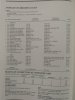
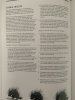
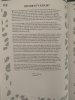
Found some of the mentions from within the report interesting both with confirming personal curiosities about when certain exhibits were completed for some of the animals, but also some of the facts of the time was completely unaware of.
July 1986 to June 1987:
*Tricia's the Asian elephant's exhibit (Putra Mas's currently) opening in what assume zoo president John Roberts means was September 1986 was definitely a major step in moving away from the zoo's outdated small cramped enclosures, while just one of many examples at the time was no doubt a major one given the closely monitored wellbeing of any good zoos elephants. Found it interesting the mention of the training to help Tricia with the move over and to assure as little stress for her dealing with transitioning into her new home even though a way better and more naturalistic one.
* The siamangs (1.0 Ringo & 0.1 Starr) moving to the former wedge-tailed eagle aviary near Tricia's new exhibit soon after Tricia moved into her new home (guessing they moved late 1986/early 1987)); was not entirely aware exactly when they had moved into that exhibit except for it being in the late '80s; aswell as the Celebes black apes (Sulawesi crested macaques) 1.2 trio and Moor monkeys{/macaques} (were actually Tonkeanmacaques) 1.1 duo moving into the former felid enclosures that had been doubled up with walls knocked in (thanks Tetrapod for details on the exhibits) the mandrill 1.1 duo and 7 hamadryas baboons (2.5) must have already been there, and the woodchip and leaf layers covering those exhibits concrete floors to not have them living on concrete floors directly, were always going to be a temporary housing solution for them..but the exhibits were larger than their previous ones, the row of monkey and gibbon enclosures over now what is the 'western' edge of the African Savannah, which is noted as them all being bulldozed in that fiscal year and a celebrated fact of having those enclosures razed.
*birth of Ishtar & Tiamat 0.2 the Persian leopard cubs in January 1987 to Princess and sired by Fury. (''We participate in many breeding programs both locally and internationally. One program is for the rare Persian leopard. This year our pair have produced two female cubs successfully raised by their mother. These cubs will move to another institution nominated by the Studbook Keeper to help ensure the survival, at least in captivity, of this beautiful feline.'')
*The zoo acquired Tasmanian devils (1.1) that fiscal year (returning species am sure).
*Since the Lesser Primates complex opening in August 1985, several of resident species had continued to have births: ''..The purple-faced langurs(1.00), pygmy marmosets(0.0.4), red-handed tamarins (0.0.3), cotton-top tamarins(3.0.2), emperor tamarins(0.0.1 fate is ommitted from report) and vervet monkeys(0.0.2) all produced offspring which were successfully parent raised. Indeed, the red-handed tamarins have increased to an extent where to alleviate their crowding they have taken up residence in the Walk-through Primate Exhibit..''
*The construction of the new bear exhibits for Barney & Missy 1.1 the Syrian brown bears and for Mawar & Shah 0.2 the Malaysian sun bears nearing completion (the zoo's Kodiak x grizzly brown bear male passed away in January 1987). Barney & Missy are noted as still being owned by Adelaide Zoo (says loan since 7 July 1980 but believe thats when they were born, although probably arrived soon after, initially thought in 1981 but think the Leeflangs raised them from cubs?).
*The exhibit with underwater viewing glass for small-clawed otters nearing completion too (the zoo was down to 0.1 female in the old pool exhibit with the concrete island and mock castle structure on, but acquired 1.1 during that fiscal year making a 1.2 trio for the new exhibit. While was a small exhibit must say, was still an upgrade for the zoo's otter at the time.
*sending two male koalas to Awaji Farm Park in Hyogo prefecture in Japan. Another male koala was found to be suffering depression and lost 25 percent of body weight, but using a 'P.P mix' supplement for feeding along with its eucalyptus leaves gave a boost in nutrients that eucalyptus leaves themselves don't have, and three months later the koalas seemed to be doing a lot better and had regained almost all of its original body weight.
*A ring-tailed lemur was also found to be suffering signs of depression, not eating and occasional blood found in its droppings, caecal intussusception was revealed to be the underlining ailment after an exploratory laparotomy and the lemur was treated successfully and recovered fortunately.
*The zoo began its numbat breeding program by permanent loaning of the ((Department of Conservation and Land Management) CALM's numbat colony in December 1986 (the zoo had loaned 3.0 males from them in December 1985, the organisation's other 2.3.0 individuals were then permanently loaned to the zoo, with the zoo working in conjunction with that organisation in how to best to manage the numbats for a successful breeding and conservation program (a charismatic local native vulnerable species the zoo is still renown for, and would be proud to know that they would go on to breed over 300 numbats for release into the wild starting in 1993).
*While no longer the only animal institute in the country to house ghost bats, the report mentions that PZ was still the only facility to have bred them at the time (with another birth in that fiscal year) and plans were underway to set up a larger exhibit for them in the nocturnal house.
*The zoo's male mandrill 1.0 Boss suffered from deteriorating muscle control over the span of a week. The keepers and vets were concerned he may have contracted tetanus or had a stroke, however CAT scans revealed no detectable brain damage luckily. He underwent physiotherapy and intensive care over several months and seemed close to having normal muscle control function by the time of the report's publication. It's also noted in the inventory that a male mandrill baby was born to his female partner who's name am still trying to find out, but the baby died <30 days. Boss was still alive in late 1991 per a visitor who uploaded footage of a visit to the zoo at that time on youtube, and either he or his female companion survived until April 1994.
*The zoo's aged (double-wattle) cassowary female produced a clutch of eggs that was tended by the male, the eggs turned out to be infertile but the zoo was hopeful that the pair might have better luck in near future and saw as a positive occurence still.
* ''..Perth Zoo has been participating in the formulation of a regional stocking policy for the Avifauna in the collections of AZDANZ institutions. Accordingly, we have begun to reduce the numbers of common species in the Bird Department. This will allow us to devote our resources to the better management of species in need of attention due to rarity or difficulty of management... Our Bird Department has had success with the rare red-eared firetail finch. A small group of this little known finch was deposited with the Zoo by CALM. This bird had rarely been kept and breeding records were almost unknown. The success with this species and the information gained on the breeding and husbandry of this bird will assist in its management should a captive management plan need to be developed in the future..''
*Amongst the zoo phased-outs were its Bornean (grey) gibbons (2.2) and capped (pileated) gibbons (1.1). One of the male Bornean (grey) gibbons went to Taronga as a hopeful new partner to Mary 0.1 but they didnt get along. Its mentioned a female Bornean (grey) gibbon baby was born that fiscal year but unfortunately died <30 days. By the end of June 1987 though the zoo still had an extensive number of gibbons present: 2.2 agile gibbons (0.1 female also born that year but also died), 1.3 concolor (northern white-cheeked) gibbons (Philip, Racquel & their daughters Eeyore and Ricky. 3.1 was typo on report), 1.1 (western sp nominated) hoolock gibbons (Flossie 0.1 & Horace 1.0), 2.4 white-handed gibbons (0.2 passed away that fiscal year), 2.1 silvery gibbons ('Perth 1' & 'Perth 2' and their hand-reared son Uban). + Ringo & Starr the 1.1 siamangs.
*The zoo also phased-out its (common sp nominated but likely hybrid) squirrel monkeys they held at the time (a genus which would later be re-acquired by the zoo with Bolivian squirrel monkeys). The zoo had 2.3.0 in June 1986, 1.0 was born that fiscal year, and the 3.3 were transferred in or before June 1987.
*The zoo quarantined imported Congo buffalo, greater kudu, gemsbok, scimitar-horned oryx (1.3.0 - Perth Zoo retained ownership of at the time) and nilgai for the Pearl Coast Zoo in Broome. The other 4 species don't show up on CITES records.
* Some sadder news was: two of the zoo's numbats suffered from toxoplasmosis (usually spread by domestic cats or stray domestic cats coming venturing into a general area and leaving their waste) sadly one of the numbats died before diagnosis, but the good news was the other numbat responded well to medication treatment and suvived. - One Matschie's tree kangaroo and several pretty-faced wallabies died from Actinomycosis (lumpy jaw), a rabbit-eared bandicoot (bilby) and a bustard died from fungal infections, and there was an outbreak of Pigeon pox which did not result in any deaths but did cause transient deformities. - Cancer inevitably was found in several animals: bile-duct cell carcinoma in a golden lion tamarin; an eye melanoma in a red-handed tamarin; fibrosarcoma in an African hunting dog; and squamous cell carcinoma in a lion (would have been Louie). - Unfortunately too a male sambar deer fatally gored its female companion of ten years (a side note: hessian fibers she'd accidentally eaten months prior and hay were found in her rumen stomach compartment in her post mortem) aswell as other conspecific attacks within the red-handed, cotton-top and golden lion tamarin groups.
*Besides Simbella, 0.1?, Louie & Alistair (born Jan 1986), the African lions, and Fury & Princess (who arrived from Adelaide Zoo in Oct 1984) and daughters Ishtar & Tiamat the Persian leopards (sadly Fury would fatally injure Princess at their next attempted mating pair up a year later); the other cat/felid species at the zoo at the time were 0.2 Anitraz & Delores the tigers (described in report on species level which makes sense given their probable mixed ssp heritages, but believe the zoo referred to them as being Bengal tigers to the public at the time), who came to the zoo from Blackpool Zoo England in 1978, 0.1 Simone the (melanistic) leopard (mixed/unknown ssp, born Melbourne Zoo 13 Feb 1984, arrived at Perth 14 Mar 1986 thankyou @Jayden8763); and 1.0 Mungo the serval who originally came from Taronga in late 1985 where he was born in March 1983. Bears already mentioned above, there were also 0.2 striped hyenas who came to the zoo from Zurich Zoo in the late '70s, a 1.1 pair of Capehunting dogs, and five 3.2 maned wolves (4.0: 289/Pabelo, DonQuixote & Arafat, and 0.2: Marwe & Joan) (thanks Akasha[/USER] for the detailed post about them, 289's house name was Pabelo, who is stated is on loan from Rotterdam Zoo since 7 Feb 1992 but believe they meant Dortmund Zoo, and that his and the late Juanita's son Rio at WPZ Dubbo since 1984 was a loan arrangement too by PZ).
*besides the primate species at the zoo already mentioned, they also had at the time starting in the Nocturnal House: 4.4.0 (thick-tailed sp nominated) bushbabys (on loan from Mugga Lane Zoo in Canberra) 0.1 was born that year bringing their population to 4.5 by June '87; 2.1.0 (Sunda) slow lorises; 1.0.0 (three-striped sp nominated) owl monkey (dorocouli/night monkey), in the Lesser Primates complex, besides the species already mentioned earlier there also were: 0.1.0 female black-and-white ruffed lemur on loan from Melbourne Zoo since August 1985 (didnt realise the zoo only had one at one point), 5.4 white-fronted lemurs (albeit mentioned already) a baby was born that fiscal year but died <30 days; some of the zoo's ring-tailed lemurs (9.7.0 in June 1986, 9.4.0 in June 1987 with 0.3.0 transferred before) would have been in this complex too, some on one of the main lake islands as mentioned as being a recent move at the time; 3.1.2 white-fronted capuchins (0.0.2 were 1.1). 2.0.0 (southern sp nominated) talapoins who were owned by Zurich Zoo and had been on loan to Perth Zoo since 13 May 1986, CITES mentions 2 talapoins coming to Australia in 1986 from France via China. Perth Zoo had talapoins in 1985 from New Zealand (North New Brighton Zoo?) but it appears they died in late 1985 or first half of 1986. 4.4.3 vervet monkeys in June 1986, and 2 births that fiscal year making their population 4.4.5 by end of June 1987; 1.2 De Brazzas' guenons (a baby was born that fiscal year but died <30 days); a 1.1 pair of (eastern ssp nominated) black-and-white colobus monkeys (originally from the USA imported either late 1985 or early 1986, thanks everyone who researched them); 2.2 (western ssp nominated) purple-faced langurs with a male born that fiscal year bringing them to 3.2 individuals by June '87. Besides the afformentioned four Papionini species at the zoo also, the zoo also had a group of ten (4.6) Japanese macaques at the time (a female was born that fiscal year but died <30 days); the zoo acquired an infant 0.0.1 (southern sp nominated) pig-tailed macaque that fiscal year but it died <30 days from arriving. The zoo's eight to then become six gibbon species already mentioned: the zoo's great apes at the time were 1.1 Jamie & Lollipop the chimpanzees who they acquired from Chester Zoo in the 1970s, 0.1.0 Bornean orangutan who was Mawas, and 3.5 Sumatran orangutans: the three males were Atjeh, Hsing Hsing (came from Singapore Zoo in 1983, as @Zoofan15 mentioned) and Pusung (the latter Atjeh's son with Puan) and the five females were Puan and her daughters with Atjeh: Puteri, Puspa and Punya + Puteri's daughters Utama and Udara (the latter born Feb 6 1987 that fiscal year, though like her sister Utama was an inbred individuals having being sired by Puteri's sire Atjeh). It's really cool that Puteri and Utama and Punya are still at the zoo (Puteri herself will be one of the most senior aged orangutans alive today and will have one of the longest tenures in one place having lived at Perth Zoo for over 55 years now since she was born there in June 1970, and being the mother of the first successfully wild released orangutan (Temara) too. It also mentions that Puan & Atjeh's son Puntjak who was at Adelaide Zoo at the time was on loan.
*The other exotic mammals at the zoo at the time were: 2.1 common tree shrews (no idea where in the zoo they lived) both males died that fiscal year leaving the female on her own. Approximately 50 free roaming five-lined palm squirrels who had been wandering the grounds of the zoo freely since the zoo first opened, 3.4.0 were caught that fiscal year (one male died <30 days of being caught) and the zoo still held 2.4.0 of them in captivity by June '87). 0.1.5 green (Azara's) agoutis (guess the female's mate must have died soon before and those 0.5 were obviously her pups) 0.0.2 more were born in that fisc' year, but they died <30 days, 2 of the 0.0.5 turned out to be female but it appears because they also died during that time that their genders were only determined because they died unfortunately (0.1.3 still there end of June '87). 1.2.0 Patagonian maras. 3.2.0 Indian porcupines. 2.0 (big sp nominated) hairy armadillos (living in the Nocturnal House). (Probably from north-east Qld rathern than Papua but) 1.1 spotted cuscues (also in the noc' house). 5.2.2 (sp/ssp nom' Northern) Papuan sugar gliders (0.0.2 were two females born that fisc' year) - the zoo also kept savannah sp/ssp nominate Australiansugar gliders (1.2 who were transferred elsewhere by June '87). 3.2.0 grey dorcopsis wallabies (4.1 by June '87 with the passing of a female and the birth of a male). 1.5.0 Matschie's tree kangaroos (had been 1.7.0 but two females passed away (one from lumpy jaw) and a baby born unfortunately didnt survive), one of males on loan from Adelaide Zoo since Feb '86 and the another male from Melbourne Zoo since late June '87. 1.0 Goodfellow's tree kangaroo who unfortunately passed away that fisc' year (a female loaned to Currumbin Wildlife Sanctuary QLD since November 1985). 1.3 chital deer (a male fawn was born that fisc' year and a female died - 2.2.0 by June '87. 2.2.0 sambar deer (as mentioned above one of the males fatally gored one of the females) a male fawn was also born that fisc' year so were 3.1.0 by June '87. 1.1 Indian antelope. 2.6 banteng and 1.0 water buffalo. 8.5.0 Himalayan tahr, a female was born that fisc' year, and 3.2.0 were transferred (am wondering if was to Alma Park Zoo?) leaving 5.4 by June '87. 1.1 llama (0.1 was born that fisc' year so 1.2 by June '87), 0.1 Arabian (dromedary) camel and (thanks @Zoofan15) 1.0 Chapman's (ssp nominated) zebra who died before June '87. Dynah 0.1 the (eastern ssp nominated) black rhinoceros is counted in the inventory too but she had been at Taronga Zoo since 1981 and as we know moved to Dubbo in late '91 and died there in '95 so was of course a permanent loan). Tricia the Asian elephant mentioned above (as mentioned got a new bigger yard, now Putra Mas's yard after just shy of 24 years living in a very small yard. Five and a half years later she would have the company of 1.2 orphaned eles of which 1.1 are of course Permai 0.1 & 1.0 Putra Mas).
*Additionally: recommend having a glance at the native marsupials (counted approximately 30 native marsupial species + 4 additional subspecies, 3 Papuan species, and 1 Papuan subspecies. The zoo also had 0.2 short beaked echidnas in June '87. Had been 0.0.4 but two died), birds (189 species/ssp), reptiles (47 species/ssp, including 10 species + 1 ssp of snakes; 15 species + 1 ssp of lizard (5 monitors sp, 2 agamid sp + 1 ssp, 1 gecko sp and 6 skink sp, + green iguanas), and 18 testudine species, *see below) and amphibians (4) inventory few posts above as thought was interesting even with the absence of say alligators, Komodo dragons (a.t.t), snapping turtles, and condors like say Taronga, was still some interesting species present (e.g exotic examples: 1.2 common rheas. 1.2 ostriches (1.1 by end of fisc' year as 0.1 loaned where 1.0 was already loaned, see below if interested). 2.4 green iguanas (sole exotic lizard species at the zoo at the time), 0.0.4 boa constrictors (the sole exotic snake species at the zoo at the time). 1.4 Aldabra giant totoises. 1.0 spurred tortoise. 2.0.8 radiated tortoises (on loan from Jersey Wildlife Trust (Jersey Zoo) since June 1984). 2.0 leopard tortoises. 3.3 hingeback tortoises (2.2 in June '87 as 1.1 died). 0.0.1 eastern box tortoise. 1.0 red-eared slider. *back to native species but only the local critically endangered western swamp turtles the zoo has long been renown for (7.1.3 in June 1986 which were re-evaluated as being 9.0.2 by June '87) they were one of ten native Australian chelidae (turtle) species at the zoo at the time. Do remember the small turtle complex there in the 1990s before the wetlands exhibits and reptile house exhibits were setup, outdoor ponds opposite what became Tricia & Permai's yard, just up from the tiger/big cat complex. Didnt realise how many different species were kept there at the time). Also 1.1 saltwater crocodiles and 1.1 freshwater crocodiles. Thought it's worth acknowledging here that Klass Gaikhorst one of the zoo's reptile keepers at the time would go on to found the nearby Armadale Reptile Centre in 1995 with his family that has contributed so much to the herpetological enthusiast community in WA aswell as tireless rescue and rehabiliation work with injured local wildlife (and not just reptiles).
*Loans to others: One adult male black (red-faced) spider monkey on permanent loan toRotterdam Zoosince 27 April 1983. The zoo also had 1.0.0 blue & yellow macaw on loan to Taronga since September 1981 and 1.0.0 palm cockatoo to Taronga too since April 1986, and amongst other loans were 1.1 ostriches to Karalea Deer Park in Donnybrook, WA, 1.0 fallow deer loaned to a man in Bedordale in rural outskirts of Perth since July 1985, and 1.2 Bourke's parrrots to one of the zoo's keepers since November 1985, a male red-tailed black cockatoo to an individual since July 1986, and a pair of mute swans to a man in Esperance, WA since August 1986. The 2.2.0 yellow-footed rock wallabies at the zoo since February 1986 were owned by Adelaide Zoo.
* ''Within this framework, animal diets are continuously reviewed to ensure they fill the animals' nutritional, physiological and psychological requirements. The psychological aspects of diet have always been important at Perth Zoo. This year a number of food devices have been investigated in an attempt to increase feeding time and interest for the animals. Devices include food trees or logs which animals have to chew or tear through to get to the gourmet rewards inside, to food puzzles which require "nutting out" to get the food. Development of these types of innovations will receive high priority in the future.''
* ''Preventive medicine continues to be important in our animal health programme. This includes involvement in a range of vaccination, hygiene checks, stress reduction programmes, enclosure design and parasite control. A monthly programme to control heartworm in our canids was instigated this year as this parasite is now becoming established in the Perth area.''
*''Vasectomies were performed on several species of birth control without altering the male's behaviour. animals and have proven to be a very reliable method of birth control without altering the males behaviour''.
* The first phase of the work on creating the African Savannah precinct was planned to commence the work in 1988, and costing over $2,000,000.
*all in all the zoo by June 1987 had over 450 (482 official count) individual mammals from at least 100 species (110 by the zoo's which includes subspecies). 1033 birds from 189 species/ssp (49 families from 17 orders) and 170 reptiles from 47 different species/ssp, 12 frogs from 4 species and 2 fish.