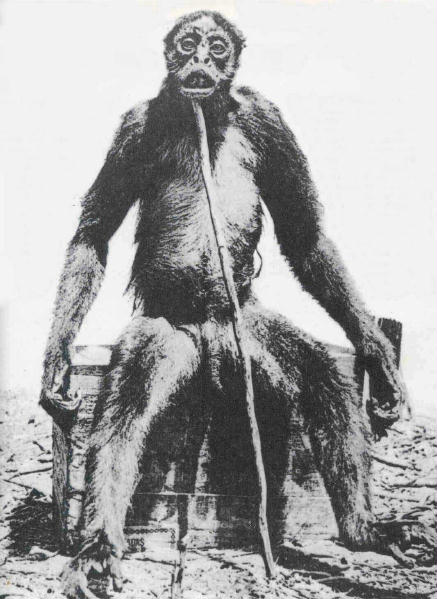
I wouldn't just generally dismiss cryptozoological research as pure nonsense and fantasy. Unfortunately, the public always equalizes this term with daydreamers who are trying to catch monstrous fantasy creatures with a butterfly net and cement.
In its serious version, I'd rather consider c. a rational methodical approach within zoology to "dig deeper", similar to ethnobotany: listen to the native ethnic people, especially to hunters, plant collectors, elders etc and have an open, yet always sceptical ear for their folcloristic tales and myths about the animals known to them. There might been a grain of interesting truth among a lot of human fantasy. Check out farmer's markets and other reloading points of the animal trade with a keen and skilled eye. Control the systematics of the animal collections and old scientific protocols of museums. Read old traveler reports and maybe dig deeper if interested. Most likely, You won't find a Nessie or Bigfoot by doing so-but You might find another animal like the dingiso, Congo Peacock or Kawekaweau. And sometimes, all You have to do is watch TV to discover a new species (Varanus yemenensis).

Or You just go to Your local fish trader and take a closer look at the L-catfish there.
Sometimes, the cryptid You're looking for might no longer exist-like the Yarri, the Marozi or the Giant Bennu Heron. Still, looking for hints to confirm the actual former existence of that species can be quite interesting and useful.
The so-called "Wild Hominids", just like Nessie and Thylacines, always attract a lot of hoaxers, pranksters and crackpots-just like in the case of the mentioned De Loy's Ape and others. The constant discussion about "Homo floresiensis" as a valid species and its connection to myths about the Ebu Gogo just nourishes this aspect; I personally am rather conservative and coy when it comes to the subject of "Wild hominids".