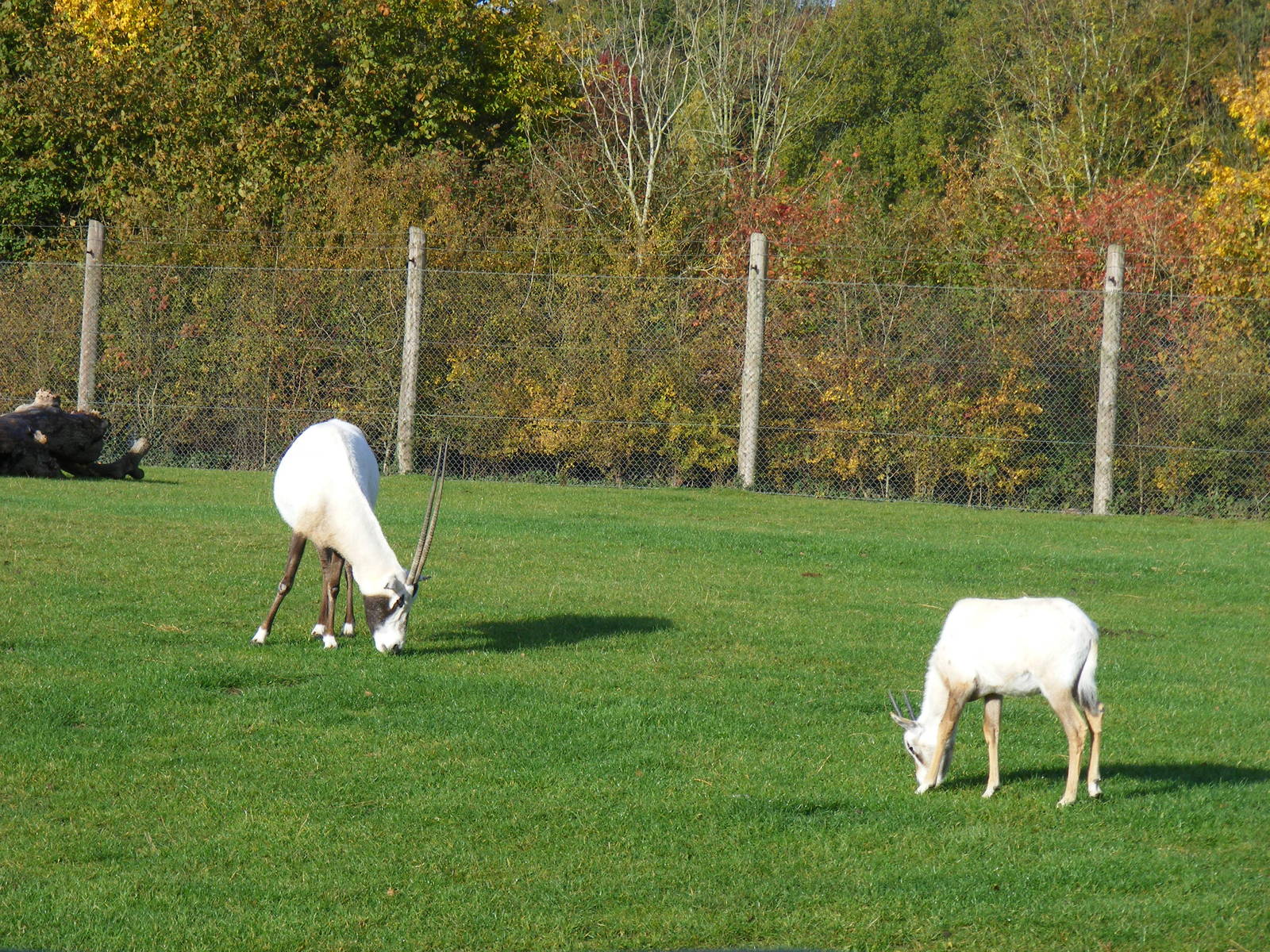
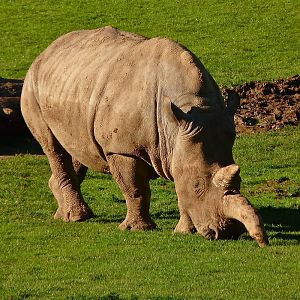
In the 1960's this species was hunted almost to extinction and consequently was so rare it was almost mythical. In a major conservation move, London's single female 'Caroline' was sent to join the nascent 'world herd' at Phoenix Zoo, Arizona, which only numbered about five animals to start with. Photos of the single London female had almost the same impact as those of Quagga and Thylacine.
Yet nowadays this species is of remarkably little note in the zoos that keep them.
Funny how fashions change. Pere David Deer, Nene Geese & Przevalski's Horses are other species saved by captive propagation, but modern zoos rarely bother to promote them over Meerkats. Nothing wrong with the old Suricate, but you know what I mean.....
In the 1960's this species was hunted almost to extinction and consequently was so rare it was almost mythical. In a major conservation move, London's single female 'Caroline' was sent to join the nascent 'world herd' at Phoenix Zoo, Arizona, which only numbered about five animals to start with. Photos of the single London female had almost the same impact as those of Quagga and Thylacine.
Yet nowadays this species is of remarkably little note in the zoos that keep them.
Even more curiously - despite massive financial backing - the species has as yet NEVER been safely reintroduced to a viable wild population level in its natural habitat.
Incidentally, I used to work with these myself. Lovely, yet fierce antelope!
Even more curiously - despite massive financial backing - the species has as yet NEVER been safely reintroduced to a viable wild population level in its natural habitat.
Incidentally, I used to work with these myself. Lovely, yet fierce antelope!
Yes, an unusual situation, considering they have been successfully bred back up in numbers, but you cannot call it a 'conservation success story' yet, more one that is 'pending'.
I noticed at Whipsnade that the male in their small group is aggressive and patrols the fence if people approach.