S

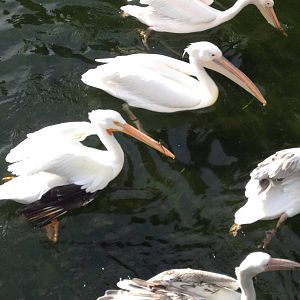
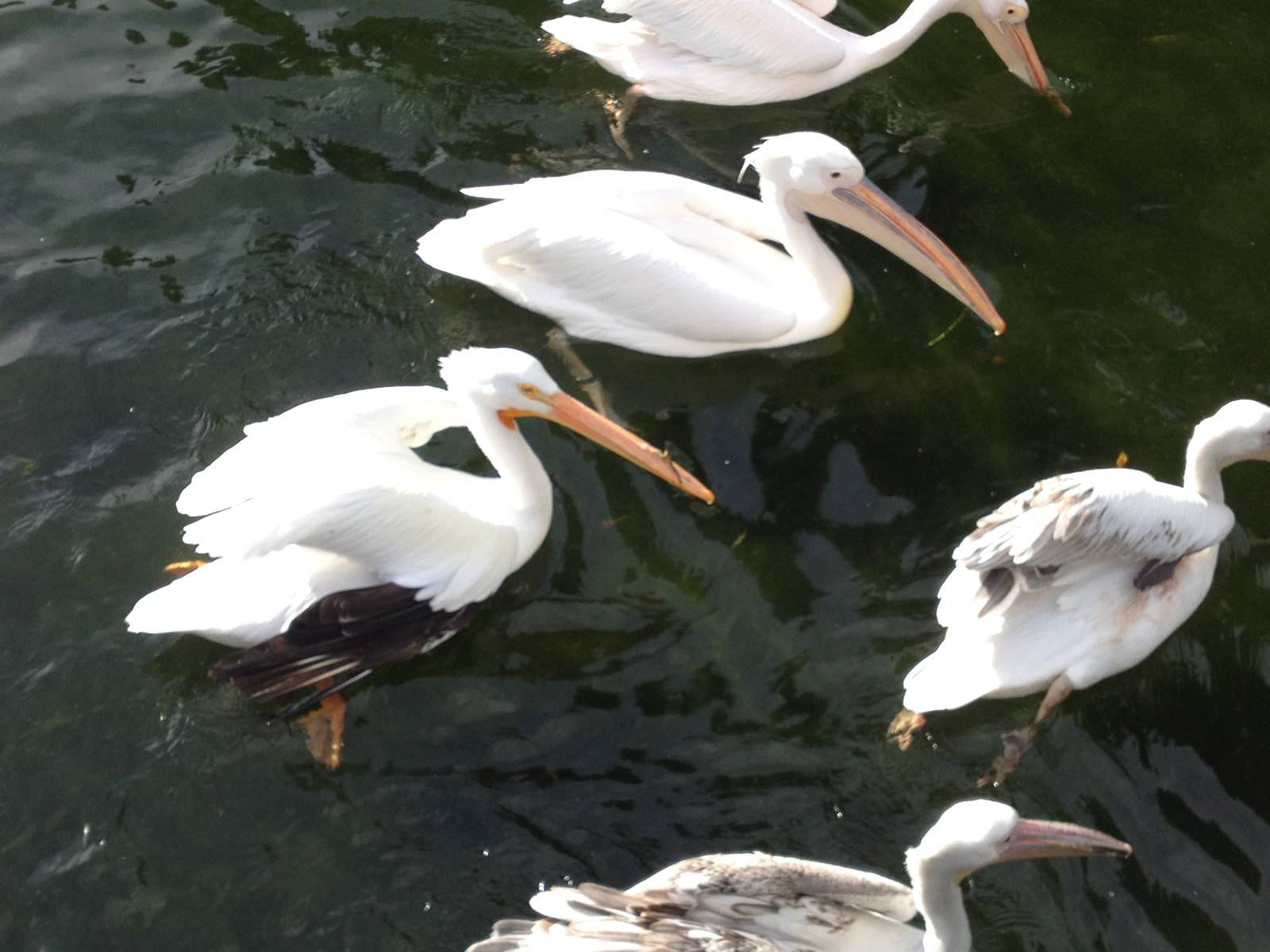
Pelican in St James's Park

  • Media owner Shirokuma
  • Date added
I noticed today that one of the pelicans is different. At first I thought it was Australian but I checked out their website and it says: There are currently six pelicans in the park: 5 Eastern (or Great) White Pelicans and 1 South American White Pelican which is distinguished by different colouring and a crest on its bill.
Thanks for the extra info :D In one of my zoo books it mentions that London zoo tried to build a Whipsnade type park in Richmond park however it didn't come to anything. Have you heard of this before?

You must be referring the farm of about thirty-three acres that the Zoological Society of London acquired at Kingston Hill in a “beautiful situation just under the wall of Richmond Park”.

This only operated for a few years and the scheme was abandoned about 1833.

A plan of the site is provided in Henry Scherren’s book published in 1905:-

The Zoological Society of London: a sketch of its foundation and development, and the story of its farm, museum, gardens, menagerie and library.
 
In the early years of the twentieth century Wembley was considered as a new home for London Zoo. At that time it was accessible by rail but pretty much open country otherwise - as London Zoo itself had been in 1828.

For whatever reason ZSL demurred over moving the Zoo, built the Mappin Terraces, and then saw World War I break out. By the mid 1920s the Society had recovered from the effects of the War, but Wembley was by this time developed. The 11th Duke of Bedford, the Society's President, offered them the abandoned Hall Farm Estate at Whipsnade, so run down that it took three years to get it open to the public. Thus did ZSL finally get a larger country estate, nearly a century after the farm at Richmond had closed.
 
You must be referring the farm of about thirty-three acres that the Zoological Society of London acquired at Kingston Hill in a “beautiful situation just under the wall of Richmond Park”.

This only operated for a few years and the scheme was abandoned about 1833.

A plan of the site is provided in Henry Scherren’s book published in 1905:-

The Zoological Society of London: a sketch of its foundation and development, and the story of its farm, museum, gardens, menagerie and library.

That's the one Tim!

In the book Whipsnade: Captive breeding for survival, it mentions this briefly, adding that "in 1831 expenditure amounted to £1426 and receipts to £58".

That's a lot of loss!!
 
In the book Whipsnade: Captive breeding for survival, it mentions this briefly, adding that "in 1831 expenditure amounted to £1426 and receipts to £58".

These figures are also recorded in Chalmers-Mitchell’s “Centenary History of the Zoological Society of London” (1929).

Much of the expense was the result of providing accommodation for wapiti, sambar, axis deer, plains zebra, mountain zebra, kangaroos, emus and cereopsis geese received from the Royal Menagerie at Windsor.

Back to the original topic:-

The Royal Parks - New arrivals for St James's Park as three Great White pelicans take up residence in front of Buckingham Palace
 

Media information

Category
United Kingdom - Other
Added by
Shirokuma
Date added
View count
3,272
Comment count
14
Rating
0.00 star(s) 0 ratings

Share this media

Back
Top