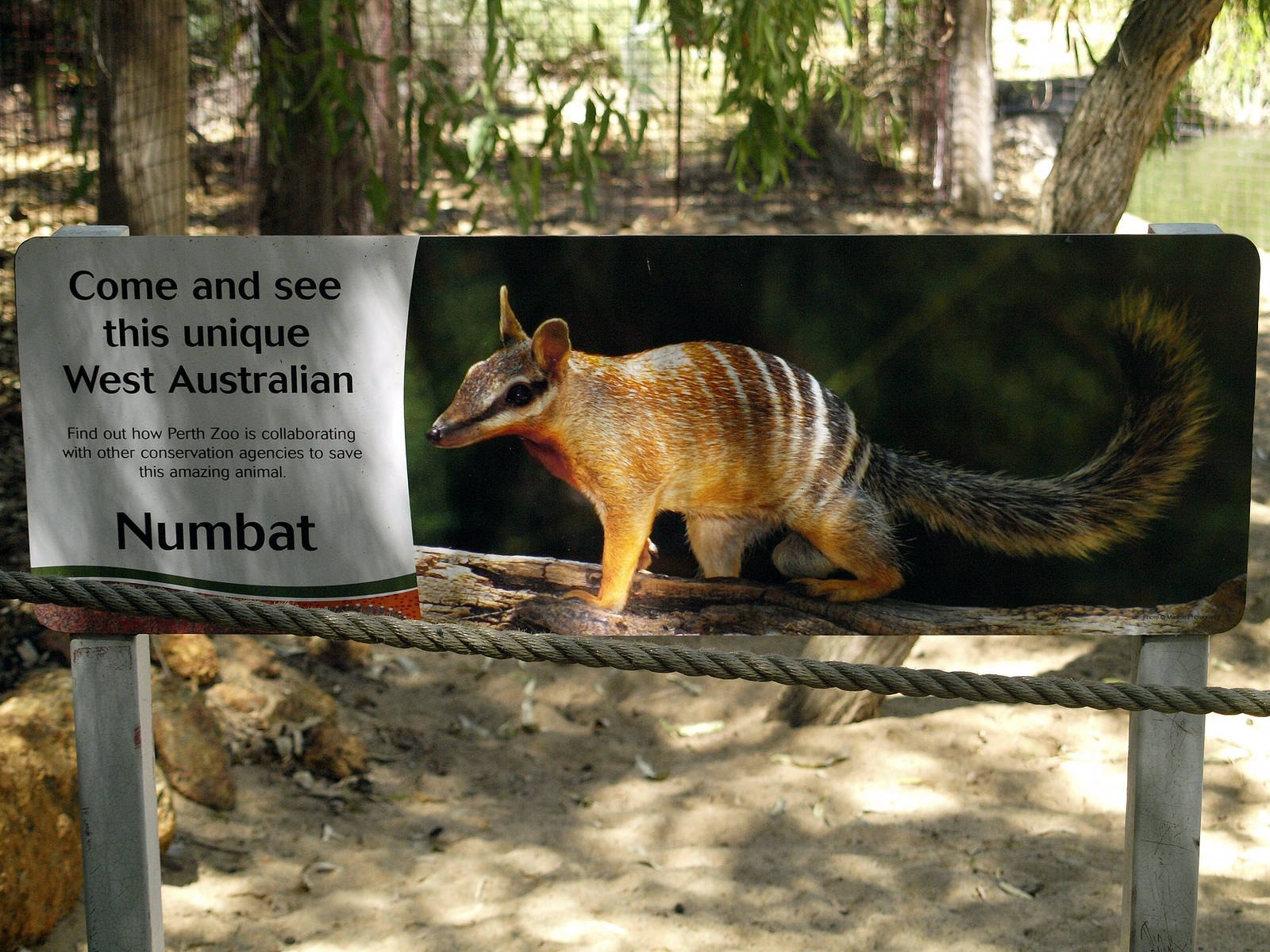
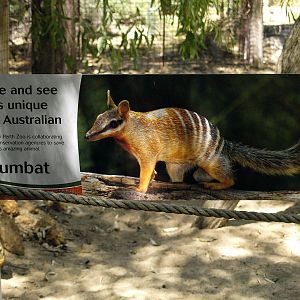
Amazing creatures I would love to see one, I first saw them in Sir David Attenborough life of mammals they are insectivores have a huge tongue like an ant eater, his film clip showed them feeding, licking and yawning, fantastic little things.
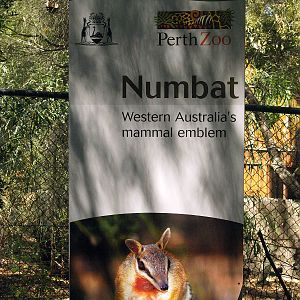
Perth zoo has had remarkable success in the breeding program and they have released a number into selected habitats where it used to occur. The next plan is to release them into a habitat in South Australia where the only other known species of numbat (now extinct) was found.
Perth zoo has had remarkable success in the breeding program and they have released a number into selected habitats where it used to occur. The next plan is to release them into a habitat in South Australia where the only other known species of numbat (now extinct) was found.
Beautifull animal. Too bad we do not have anyone outside Australia. We could help them bred the species back to sustaianble numbers. But I guess they want to keep some of their treasures to themselves, like with the platypuses. But it is really sad we do not have them in Europe, I would die to see one, even more than I want to see a platypus.
Keep in mind that there are carnivorous marsupials which are probably more closely related and in fact the tiger quoll (spotted tailed quoll) of which i posted some photos in the Peel zoo gallery, is the species that would (in theory) be the recipient of any cloned thylacines that might be brought into the world in future.
Keep in mind that there are carnivorous marsupials which are probably more closely related and in fact the tiger quoll (spotted tailed quoll) of which i posted some photos in the Peel zoo gallery, is the species that would (in theory) be the recipient of any cloned thylacines that might be brought into the world in future.
Last I heard, the Thylacinidae and the Myrmecobiidae are indeed one anothers closest relatives - that said, you are correct that any theoretical cloning of the Thylacine would likely have to use Tiger Quoll surrogates, as this species is the closest match in body size and shape to the thylacine among the Dasyuridae, the Tasmanian Devil being roughly the same size but significantly more robust in build.