I agree the Myrmecobiidae's closest relative is the Thylacinidae, but not that they are "one another's closest relatives". The Thylacinidae is more closely related to the Dasyuridae. The Myrmecobiidae is so distinct that the Thylacine is it's closest relative, but still fairly distant.
To give you a human analogy: My cousin is an only child. I am his closest living relative. But my closest living relative is my daughter.
Hix
Note: The human analogy above is for descriptive purposes only; the details are entirely fictional.
I agree the Myrmecobiidae's closest relative is the Thylacinidae, but not that they are "one another's closest relatives". The Thylacinidae is more closely related to the Dasyuridae. The Myrmecobiidae is so distinct that the Thylacine is it's closest relative, but still fairly distant.
There are three families of Dasyuromorphia:
-Thylacinidae (Thylacine)
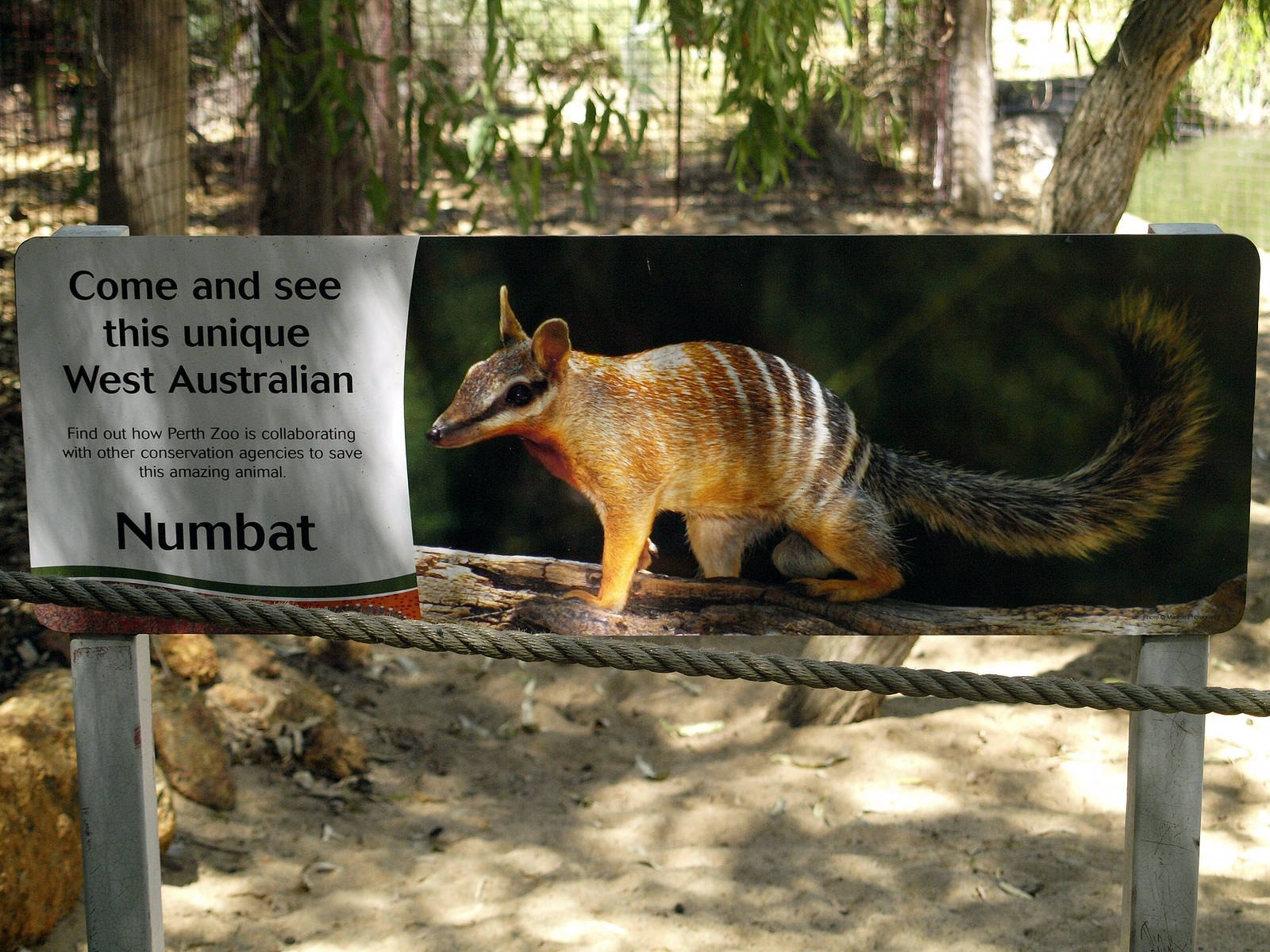
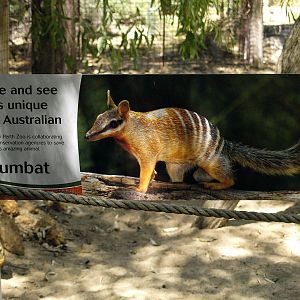
-Myrmecobiidae (Numbat)
-Dasyuridae (~75 species quolls, devil, phascogales, dunnarts, etc.)
The three families can be related in three ways, as shown by the three trees in the attached diagram:
1. Traditionally, Thylacinidae and Dasyuridae were considered more closely related, with Myrmecobiidae basal, in which case numbats are just as closely related to a thylacine as to a Tasmanian devil or a quoll or a phascogale, while a thylacine is more related to any Dasyurid than to a numbat.
2. However, more recent (2009; see full paper here: The mitochondrial genome sequence of the Tasmanian tiger (Thylacinus cynocephalus)) evidence suggests that Thylacinidae was basal to the sister families of Myrmecobiidae and Dasyuridae, in which case thylacines are just as closely related to numbats as to a Tasmanian devil or a quoll or a phascogale, while a numbat is more related to any Dasyurid than to a thylacine.
So in neither of these two scenarios are thylacines the sole closest relatives of numbats, nor are numbats the sole closest relatives of thylacines.
3. The only situation that would make them each others closest relatives is if Thylacinidae and Myrmecobiidae were sister families and Dasyuridae was basal, which is what Hix and TLD suggest.
However, in this case, they are each others closest relatives, cf. the statement quoted above.
The only situation that would make them each others closest relatives is if Thylacinidae and Myrmecobiidae were sister families and Dasyuridae was basal, which is what Hix and TLD suggest.
However, in this case, they are each others closest relatives, cf. the statement quoted above.
I said I do not agree with that statement. I believe the Myrmecobiidae to be the older group, as in your first tree - but the other two groups to be much further along the tree.