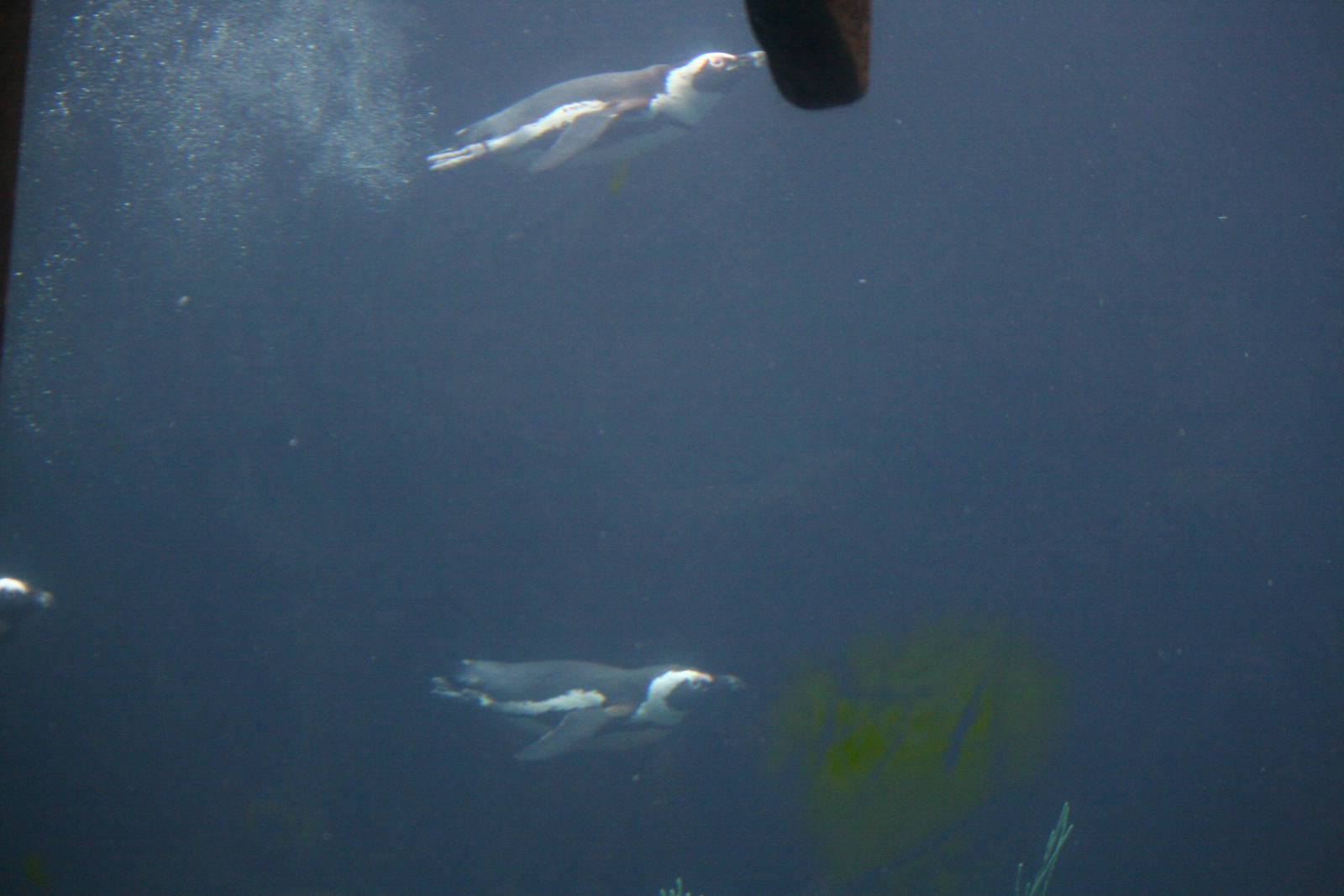
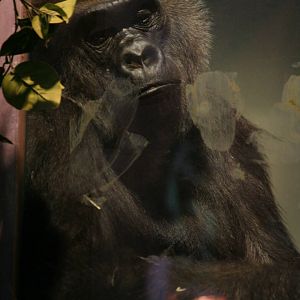
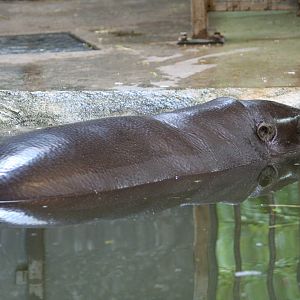
Is the Bristol Zoo highly regarded in the UK? In looking at the website and the photo gallery it looks like a medium sized zoo with very high quality exhibits. From looking around the web on their history it looks like they used to have several large species (giraffes, elephants, common hippos) that they no longer do. It looks like they have found a nice balance of large and popular animals (gorillas, lions, seal, penguins), smaller representatives of popular groups (okapis, pygmy hippos), and multi-species exhibits (aquarium, reptile house). Do zoo goers on the ground rate this zoo highly, and if not, what are the flaws?
Is the Bristol Zoo highly regarded in the UK? In looking at the website and the photo gallery it looks like a medium sized zoo with very high quality exhibits. From looking around the web on their history it looks like they used to have several large species (giraffes, elephants, common hippos) that they no longer do. It looks like they have found a nice balance of large and popular animals (gorillas, lions, seal, penguins), smaller representatives of popular groups (okapis, pygmy hippos), and multi-species exhibits (aquarium, reptile house). Do zoo goers on the ground rate this zoo highly, and if not, what are the flaws?
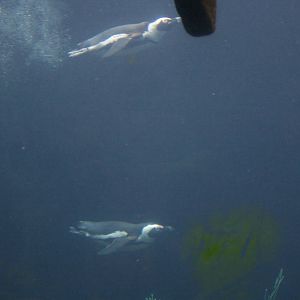
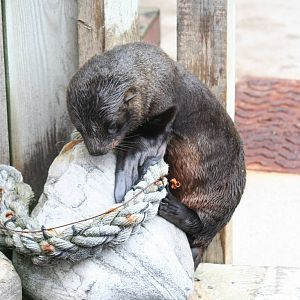
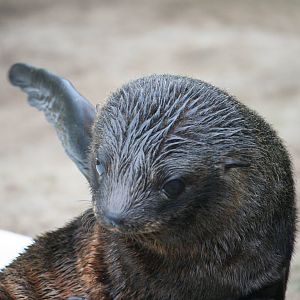
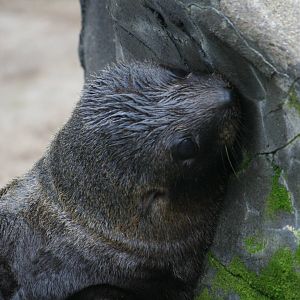
I visited a few years ago, and was rather impressed. It's actually a small zoo (under 20 acres), but as you suggest a strategic mix of popular and conservation-focused collections. Seal/penguin exhibit is a highlight, as is the ubiquity of conservation graphics, an excellent nocturnal exhibit, and a nice invertebrate display.
Bristol Zoo is the 5th oldest zoo on the planet (175 this year!), and surprisingly is only 12 acres in size. The new book "What Zoos Can Do" recommends 5 hours to tour the zoo, which is not shocking once one considers that there is an insect section (top floor of the cafe), a reptile house, an aquarium, a nocturnal house, a walk-through butterfly area, a walk-through lemur exhibit, a walk-through bat exhibit, and loads of other things to do and see. By 1995 the polar bears, black rhinos, orangutans, chimpanzees and giraffes had disappeared, and the last elephant died in 2002. The focus on smaller animals, along with a handful of popular creatures such as penguins, seals, lions and gorillas, has made this establishment remain popular with 550,000 annual visitors.
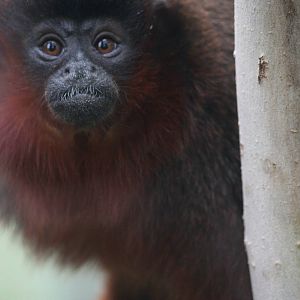
Bristol has long 'punched above its acreage' thanks to its conservation work, long history and superbly well-balanced collection. There are very very few duff exhibits (Zona Brazil has never really worked for me), some lovely historical features (walkthrough tunnel in the Aquarium is through the old bear pit, bear pole is outside the building, gorilla cage fronts reused as a pergola etc) and the best Invertebrate House in the UK. There are nice rare species - Aye-Aye, Pallas' Bats, Livingstone's Bats, Christmas Island Blue Crabs, Paddlefish, Black Lion Tamarin and more. It's been noted on here before that it's perhaps a little over-playground-ed these days but otherwise it's hard to find a bad word to say about it.
Its small site is really the only thing working against it (that kind of quality over 100 acres would be giving Chester something to think about).