Maguari

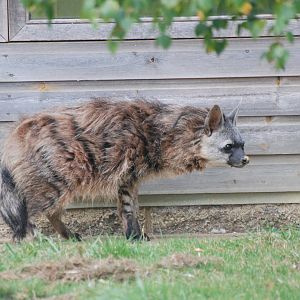
Aardwolf at Hamerton, 08/10/11

  • Media owner Maguari
  • Date added
I believe this is one of the earlier-imported South African Aardwolves ([i]Proteles cristatus cristatus[/i]) - Hamerton is now the only zoo in Europe to have these as the more recent imports have been [i]P. c. septentrionalis[/i] from East Africa. Hamerton currently have both forms.
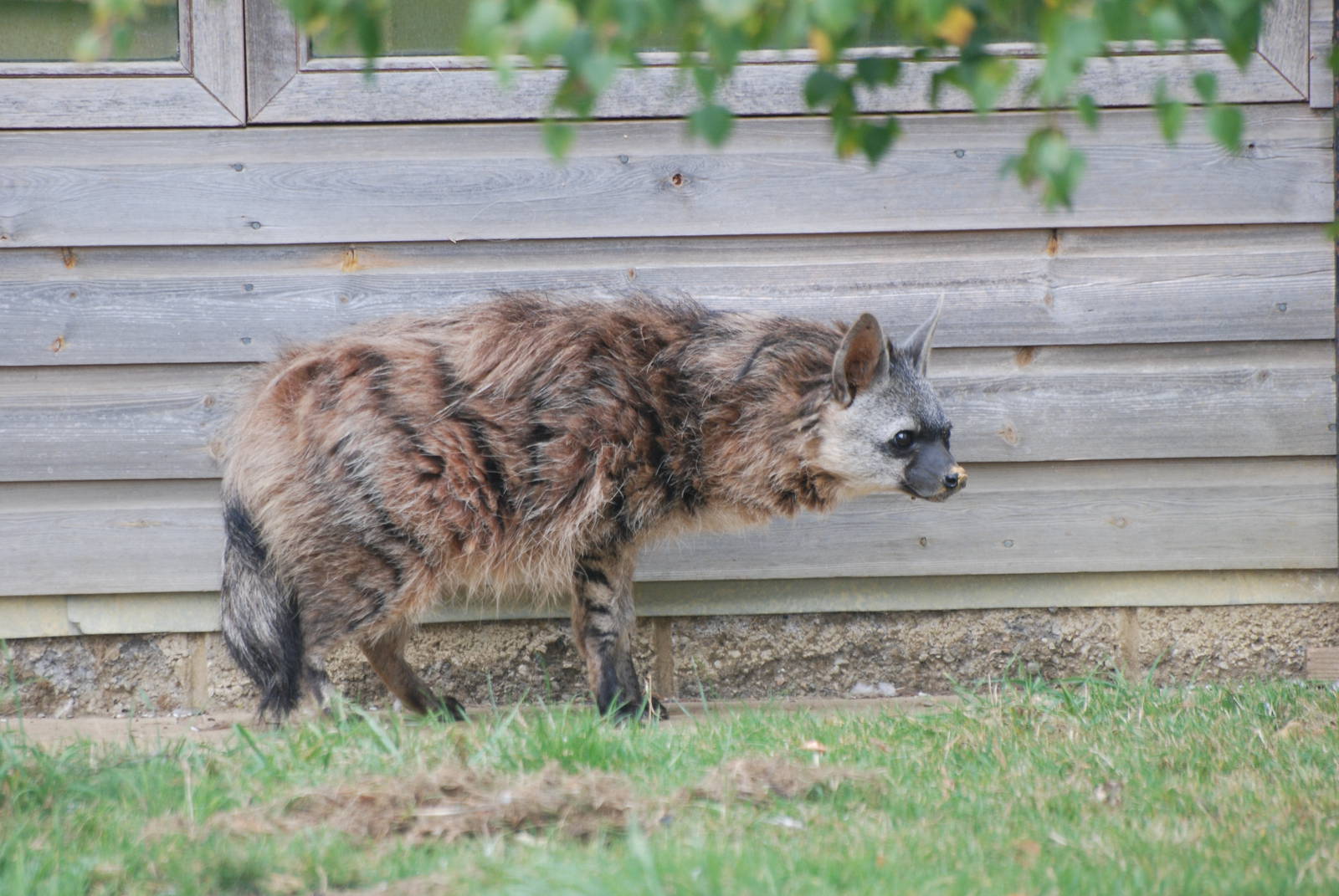
I believe this is one of the earlier-imported South African Aardwolves (Proteles cristatus cristatus) - Hamerton is now the only zoo in Europe to have these as the more recent imports have been P. c. septentrionalis from East Africa. Hamerton currently have both forms.
 
It certainly looks like its a South African Aardwolf,and its also in the enclosure in the that the owner of the park told me,on my last visit to the park this sub-species was kept in!
 
Thanks for the info from the owner.

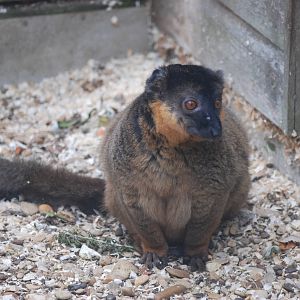
As well as being a bit shaggier (harder to tell from this in the autumn/winter though!) this animal looked old - not too much younger than Twycross' animal was. The other aardwolf I saw later (in the roofed exhibit by the Collared Lemurs) was much younger-looking.

I'm still not sure how reliable the shaggy/not shaggy distinction is, but it seems pretty consistent on animals I've seen. I think septentrionalis also has a longer, more pointed snout than cristatus, but again, having seen so few individuals I'm not sure if that holds across the board.
 
Your description of the 2 sub-species differences fits with what I have seen as well as a means of telling the difference between the 2.
 
The thing that worries me about the 'shagginess test' is that maybe it's that just aardwolves get shaggy as they get older - and all the S. African animals in Europe are older than the E. African animals! I guess time will tell! :D
 
Will have to dig out my old photos of the animals at Twycross,which go back over 10 years and see what they looked when they were young!
 
Just looked this up in Handbook of the Mammals of the World, and although the two populations are entirely separate in the wild (with 1500km between the nearest points of their ranges), it can offer no help on identifying them as 'studies of the extent of genetic and morphological differences between these groups have not been conducted'. This thread may be the most in-depth discussion on the topic in zoological history! :D

Interestingly, HMW then has the scientific names the other way around to every other source I've seen - I presume this is a rare error (particularly given than 'septentrionalis' means 'northern').
 
Bloody hell I'm shocked that this could well be the most involved scientific discussion on these animals,in fact I'm more shocked that I'm one of the 2 people involved,but given the fact that I'm one of the few people 2 have seen both side by side at the same time,I'm glad that I could be helpping to make a break through to describe these 2 sub-species.
 
The thing that worries me about the 'shagginess test' is that maybe it's that just aardwolves get shaggy as they get older - and all the S. African animals in Europe are older than the E. African animals! I guess time will tell! :D


I wouldn't mind guessing that a couple of winters in treeless, windy, Huntingdonshire would have made this animal grow a thicker coat as well!
 
I wouldn't mind guessing that a couple of winters in treeless, windy, Huntingdonshire would have made this animal grow a thicker coat as well!

Also very true!
 

Media information

Category
Hamerton Zoo Park
Added by
Maguari
Date added
View count
2,406
Comment count
10
Rating
0.00 star(s) 0 ratings

Share this media

Back
Top