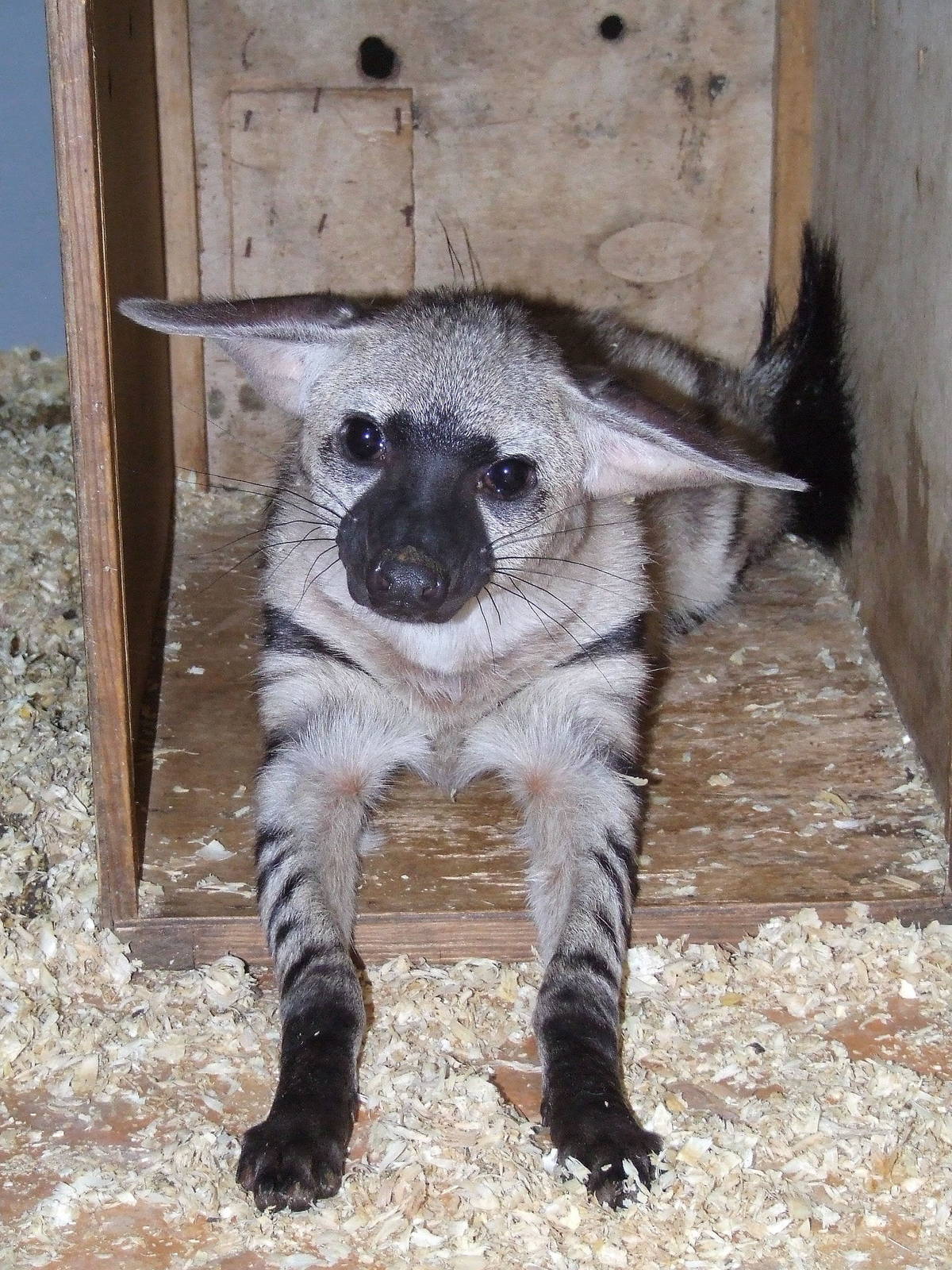
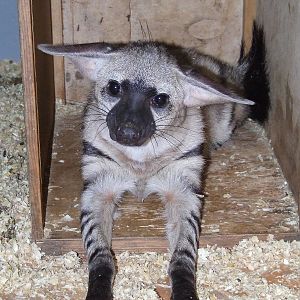
wild caught, i thought they had brought in one of the animals from Hamerton or Twycross, this is great news hopefully kick start aardwolf breeding in the UK/Europe again
Lets just go through that once more......a WILD CAUGHT large carnivore (well, insectivore).....imported into a UK zoo in 2009. Since when did that become appropriate? Yes I too find this species fascinating, and would be sad if the captive population died out, but lets just get some perspective here: This animal was reared in the wild and would have had a huge range before it was caught, shipped to the UK and placed in a quarantine pen.
Is EAZA trying to restart a captive program for this species? Is there a pressing conservation need for aardwolves to be brought into the european zoo community and managed? No, the RSCC was again acting unilaterally IMO and 'collecting' yet another curiosity because its owners wanted to.
Lets just go through that once more......a WILD CAUGHT large carnivore (well, insectivore).....imported into a UK zoo in 2009. Since when did that become appropriate?
There's still a lot of wild caught animals around that weren't necessarily from ye old days, like the 2 female Indian rhinos at Whipsnade and other rhino species elsewhere, elephants, primates. This doesn't even mention reptiles and bugs
While it's often said that 95% of mammals in US collections (AZA) are captive-born, it's likely that fewer than 50% of birds, reptiles etc. are. Aquariums depend even more on importing wild-caught specimens, as there are almost no established breeding programs for fish.
While it's often said that 95% of mammals in US collections (AZA) are captive-born, it's likely that fewer than 50% of birds, reptiles etc. are. Aquariums depend even more on importing wild-caught specimens, as there are almost no established breeding programs for fish.