Not only do UK zoos not get direct funding from government, all but the 'charity' status zoos have to pay full tax. e.g. the first 15% (back to 17.5 next month) of gate receipts goes to the tax man and thats just money spent getting.
The tax offices reasoning is based on the schools national cirriculum. Art is on the cirriculum so an art gallery is educational. Natural history etc isn't.
Zoos are seen as entertainment based, not educational this is despite under the governments own zoo licencing act a proportion of net income has to be spent on conservation and/or education projects.
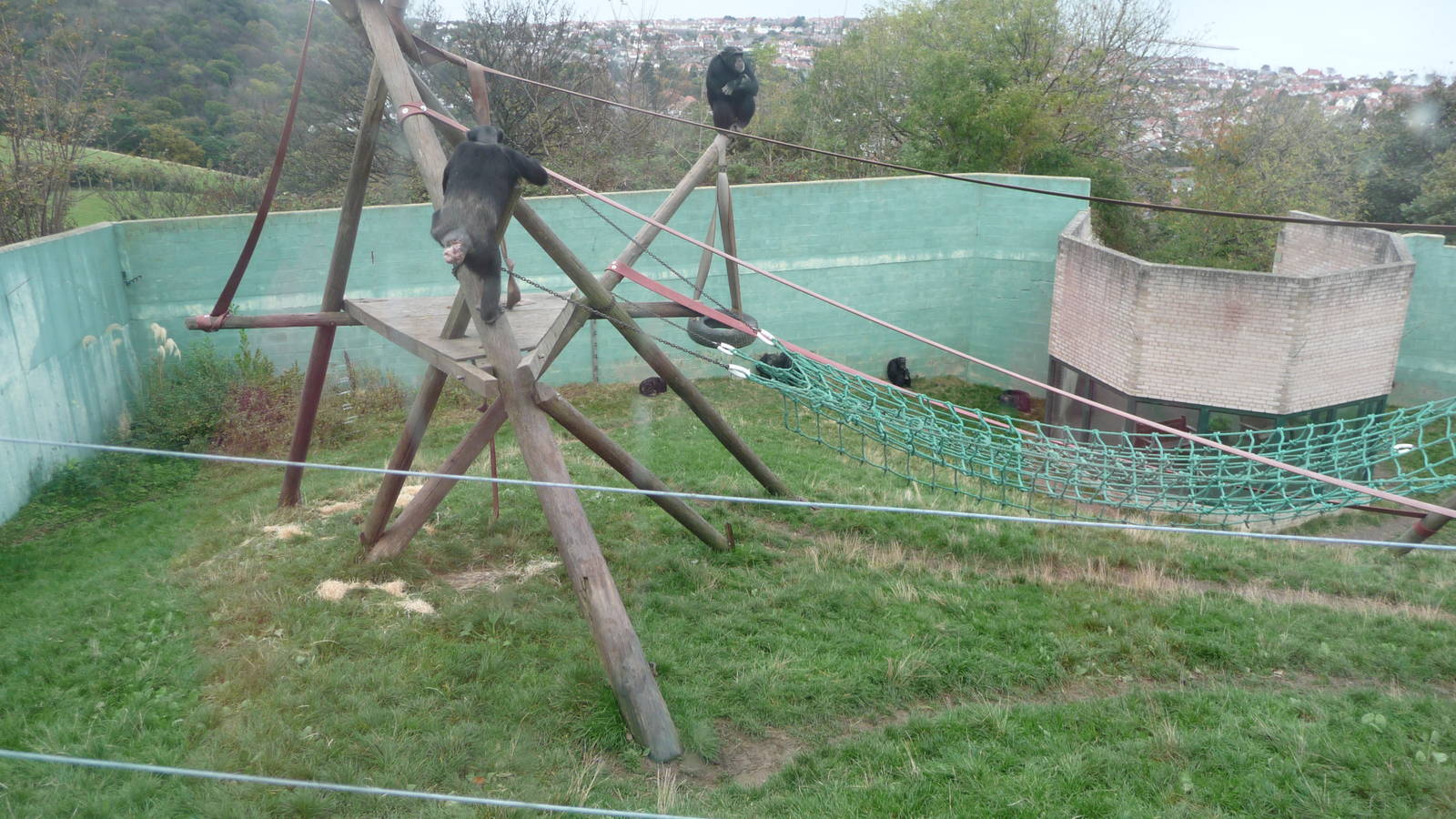
No wonder British zoos don't have the cash to fund multi-million dollar exhibits, and that explains why there is more of a reliance on basic containments for the captive animals. It is really unfortunate that there aren't more government grants to boost the quality of zoos, but perhaps after the economic crisis there will be an upswing in finances. At many major U.S. zoos there is a significant amount of cash from taxpayers, as the funding for new exhibits is often achieved via the local community. Zoos in America receive staggering sums in comparison to many other nations, and that is why many of the financially stable zoos (Columbus, San Diego, Oklahoma City, St. Louis, National, etc) splash mega bucks on costly new animal habitats practically every other year!
This news article is a perfect example of public funding for major American zoos, as the Denver Zoo has begun construction on a $50 million, 10-acre complex called "Asian Tropics". Half of that money was raised through a public bond, so taxpayers are putting up the cash for their local zoo. With $25 million from the public and $25 million from private individuals the staggering sum of $50 million could well produce an outstanding addition to an enormously popular zoo, which regularly receives over 2 million visitors per year. This is why there are so many world-class American zoos, because the funding is in place for brilliant animal exhibits.
That sort of public expenditure on zoos is unheard-of in the UK. In fact, that sort of expenditure on zoos would be more-or-less unprecedented if privately-funded. Google tells me $50m would be £30m - the most expensive zoo exhibit built recently in the UK was (I think) Chester's Realm of the Red Ape which cost no more than a tenth of that. (not sure about aquariums - The Deep must have cost someone a pretty penny)
Chester's Natural Vision project starts with the Heart of Africa building for which plans are apparently ready to submitted for planning permission. The total costs for the whole project, including more animal zones, hotels and supposedly even a marina connecting to the nearby canal network, are predicted to be £225m, and this WILL include public money from the Northwest Development Agency, according to the zoo's press releases. Will be interesting to see how this progresses.
No wonder there is a general consensus (by most British ZooChatters) that Chester Zoo is the #1 zoo in all of the United Kingdom. It comes down to money for world-class exhibitry, and I've been following the various threads on "Heart of Africa" with some interest because Chester comes across as a big-budget, mega-complex zoo in comparison to many of the "duct tape and super glue" collections that dot the British zoological landscape. (even "zoogiraffe" agreed with me on that one)
This is only a partial list of the probably 100 or more projects that have cost in the tens of millions of dollars in American zoos:
In the United States recently there has been an incredible amount of expenditure: $45 million spent on Elephant Odyssey at the San Diego Zoo (somewhat infamously); $45 million spent just on elephants at the National Zoo (opens in 2011); the Houston Zoo is spending around $50 million on an African complex; the Los Angeles Zoo has spent probably $200 million in the past decade on a variety of exhibits; Miami Metrozoo just opened Amazon & Beyond last December and that cost $50 million; Russia's Grizzly Coast at the Minnesota Zoo cost about $30 million; Denver is spending $50 million on Asian Tropics; the Oregon Zoo has a $125 million bond for elephants, polar bears and chimpanzees; the Woodland Park Zoo just spent $24 million on penguins, an indoor playground called Zoomazium and a new entry; the Bronx Zoo's Congo Gorilla Forest is rumored to have cost close to $50 million in 1999 dollars, and of course Disney's Animal Kingdom cost in excess of 1 billion to construct.
Any one of those would dwarf the total spent by all British zoos on new exhibits in a year, in some cases in a decade.
But then, the British tax money has to pay for everyone's heathcare...
EDIT: I added that line as a bit of inter-continental political joshing, but there's a real point behind it - any UK public spending that could be seen as non-essential is often met with unfavourable press reports about what this money could be spent on by the NHS or the education system.
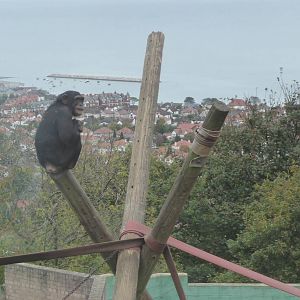
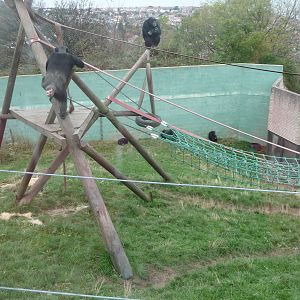
@Maguari: I began a new thread on this topic in the main forum, but I'm shocked at how British zoos (and many in my native Canada) spend a tiny, miniscule fraction of what is spent at big-budget American zoos. If for example a brand-new chimpanzee exhibit were to open at any number of major American zoos it would look far different than this one at the Welsh Mountain Zoo and probably cost 100 times more! Would that make it any better? Possibly, because it would be undoubtedly a "rainforest immersive-style habitat", but at what cost?
One major change for the better that happened a few years ago was that the major Charity zoos took on the UK Government over their having to pay Value Added Tax on their admissions . The Government was not willing to give in and the battle went all the way to the top European Court which ruled in favour of the zoos .
Not only did this result in a reduction in costs for these zoos but they also got a wind-fall in the form of several millions of back-dated VAT being refunded . I believe this has greatly improved the fortune of some of these collections resulting in quite a few large new recent developments - though still very small compared to the USA .
@Bele: it is great that the Valued Added Tax has been cancelled from admission, but the lack of government support makes it extremely difficult for U.K. zoos to open up mega complexes and expansive animal exhibits. In the U.S. many major zoos would probably go bankrupt without government support, and that allows the big guns to open expensive animal habitats every couple of years. I'd love to see such a program running in the U.K., but with the economic recession that isn't going to be happening anytime soon.