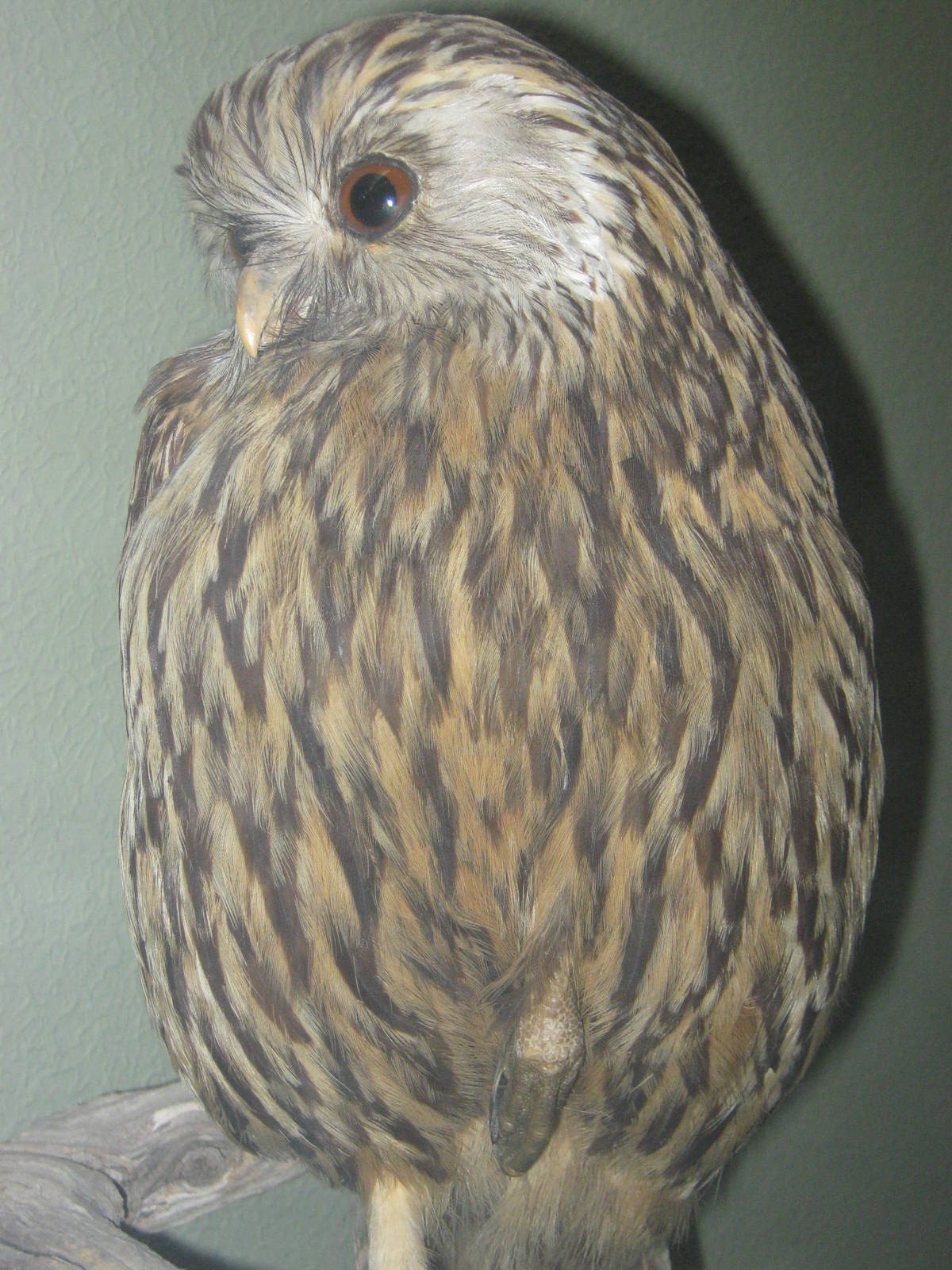
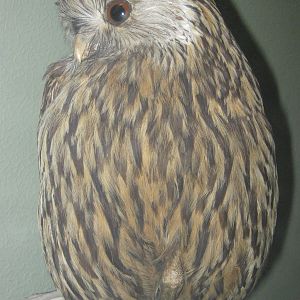
There were two subspecies: the North Island [i]S.a. rufifacies[/i] which, apart from subfossil remains, is known only from two specimens and a few sightings from the mid to late 1800s; and the South and Stewart Island [i]S.a. albifacies[/i] which was common at the time of European settlement but of which the last known individual was found dead in 1914
Old nests found in various parts of the country have provided invaluable data on diet, via the pellets of indigestible material (bones etc) that owls habitually cough up. Prey remains include those from weevils and other beetles (including ones no longer found on the mainland), snails, and many species of vertebrates, particularly kiore (Polynesian rat) and large geckoes, but also skinks, tuatara, bats, frogs, fish, and birds ranging from canopy species such as yellowhead, rifleman, kakariki, pigeon and kokako, to terrestrial species such as ducks, snipe, kakapo, moa chicks, petrels, owlet-nightjars and kiwi. One nest-site even yielded bones from a seal pup. The bones of mice, rats, rabbits, goldfinches, starlings etc, show that some nest-sites were still in use long after European colonisation (and some may, in fact, have been in use by successive generations of owls for over 1000 years).
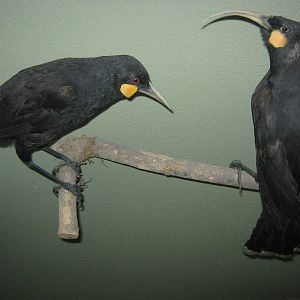
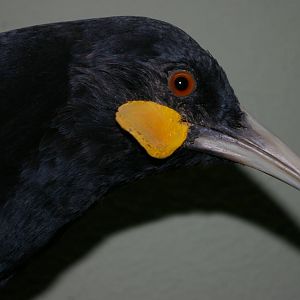
This specimen was photographed at the Canterbury Museum in Christchurch, New Zealand