Most browsers easily allow you to zoom in on pages/sections by clicking CTRL and + (plus) until the preferred size is achieved. CTRL and 0 returns to standard size. Anyway:
The animals (excluding plants) from stubeanz's list
Pallas's squirrel (Callosciurus erythraeus).
House crow (Corvus splendens) - fertilised eggs for incubation.
Chinese mitten crab (Eriocheir sinensis).
Small Asian mongoose (Herpestes javanicus).
American bullfrog (Rana (Lithobates) catesbeiana).
Reeves's muntjac (Muntiacus reevesi).
Coypu (Myocastor coypus).
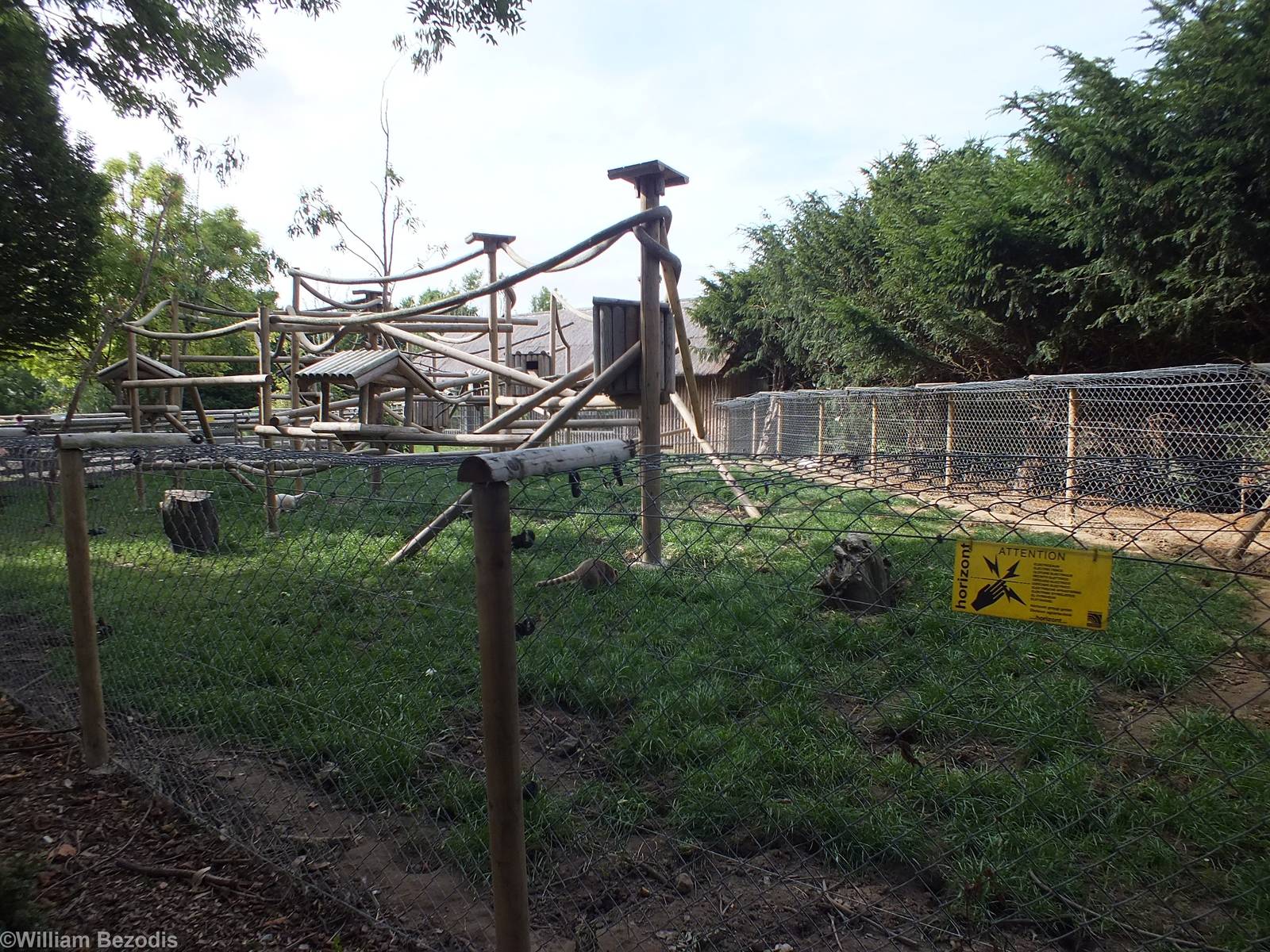
South American coati (Nasua nasua).
Eastern crayfish (Orconectes limosus).
Northern crayfish (Orconectes virilis).
Ruddy duck (Oxyura jamaicensis) - fertilised eggs for incubation.
Signal crayfish (Pacifastacus leniusculus).
Chinese sleeper (Perccottus glenii) - fertilised eggs for hatching.
Louisiana crawfish (Procambarus clarkii).
Marbled crayfish (Procambarus sp. aka Procambarus fallax f. virginalis).
Raccoon (Procyon lotor).
Stone moroko (Pseudorasbora parva) - fertilised eggs for hatching.
Eastern grey squirrel (Sciurus carolinensis).
Fox squirrel (Sciurus niger).
Siberian chipmunk (Eutamias sibiricus).
African sacred ibis (Threskiornis aethiopicus) - fertilised eggs for incubation.
Pond slider (Trachemys scripta, i.e. also including red-eared and yellow-bellied sliders).
Asian hornet (Vespa velutina nigrithorax).
Many species with high potential for being invasive, but also several that already are fully established in the wild in Europe and aren't about to disappear no matter what we do. Furthermore, some species that have very large captive populations and I seriously doubt they'll disappear anytime soon, regardless of what the lawmakers decide. I do hope, at the very least, that some of them still will be allowed with special permits in zoos as part of invasive species displays. It would be rather comical if zoos or aquariums couldn't have educational invasive species displays of e.g. Chinese mitten crabs or raccoons in countries where there already are large, fully established wild populations.
Coatis wouldn't really be able to establish themselves in northern Europe (winters too cold), but I guess the ban is understandable for central and southern Europe.
Thanks for the post Temp only had 10 mins or so to post the photo off of my phone.
Most on the list are already very very scarce in the UK, the list seems very random as to what species they put on it and why they didn't choose others? Perhaps they are looking to add more species once the legislation kicks in.
A handful in Cumbria's Lake District and random singles elsewhere doesn't really qualify as established. At least not under the normal requirements for introduced species, which typically recommend initial stable/increasing population with at least 3 generations (founders+F1+F2). Otherwise every single species where a specimen managed to survive and wasn't recaptured would be established. Hull Uni estimate with high level of uncertainty suggested ≤10 "wild" coati specimens in entire UK in 2010, perhaps 2/3 in Cumbria. I've seen a few claims of breeding but no evidence supporting that or a population increase (whether from breeding or new escapes) in the last 5 years. I'm also not aware of any sighting of multiple specimens at once, which would be expected if the species was established and breeding (females in groups most of the time).
One really cold winter as happens every decade or so in Cumbria and most won't make it. I'd be more worried about a group getting loose in southernmost coastal England or Scilly, which is more like adjacent France than central/northern UK (or the rest of N. Europe) in terms of temperature.
Hull Uni estimate with high level of uncertainty suggested ≤10 "wild" coati specimens in entire UK in 2010, perhaps 2/3 in Cumbria. I've seen a few claims of breeding but no evidence supporting that or a population increase (whether from breeding or new escapes) in the last 5 years. I'm also not aware of any sighting of multiple specimens at once, which would be expected if the species was established and breeding (females in groups most of the time).
I believe the Hull Uni estimate of c.10 individuals referred to the Cumbrian population alone, not the entirety of the UK - and it *did* note that multiple offspring have been observed in the area.
I personally observed the taxon in the Ambleside area about 10 years ago, so I rather suspect that considering how widely the population has spread from the source in Dalton-in-Furness, and the time that has elapsed since with sightings continuing, the figure quoted is an underestimate.