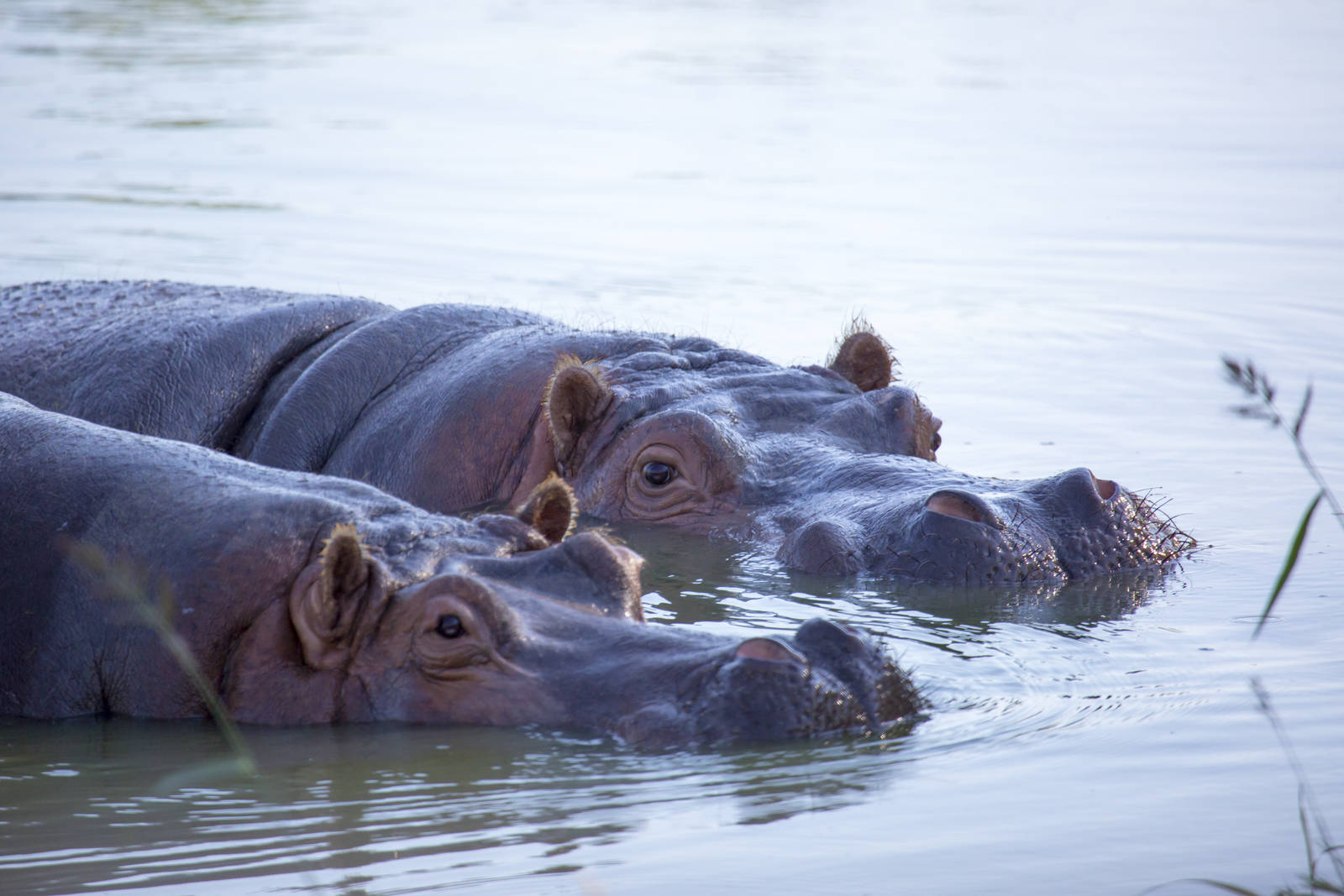
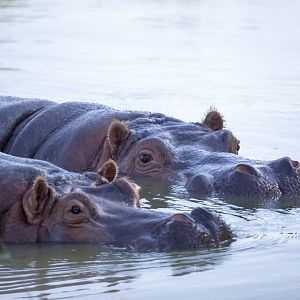
I knew the ones at Toronto could not breed, that sucks to know the rest cannot either. I never seen a baby hippo. I'm optimistic that Cincinnati Zoo's new pair will successfully breed as that is not too far of a drive, but it'd be nice to have a closer option.
No none of the Canadian hippos could or should breed.
Toronto's are all siblings with 0% pedigree known. The origins of their parents who were Granby's original breeding pair are still unknown. Because they cannot say if they were wild born or descendents of other zoo's stock the SSP will not recommend them to breed. The unknown origins of animals means they could be inbreeding so its not allowed.
Granby's current pair have mixed pedigree. Their male has 25% pedigree known while the female has 0%. They are not recommended to breed.
Safari Niagara's pair are half siblings descended from Granby's male. The male is his son with a former mate which gives him a higher precentage of known pedigree but still not good enough to breed. The female is from Granby's current pair so only 12.5% pedigree is known.
Greater Vancouver's pair are full siblings from Granby's current pair.
Calgary's pair is a grandmother/grandson pair. The female has 50% pedigree known and is Toronto's last river hippo calf. Her grandson is the son of Granby's current pair. Thankfully the twins Sparky and Lobi had two years ago died. Canada doesn't need any more hippos no one will want.
In Toronto we are lucky we have the pygmy hippos. Hopefully next summer we can delight in a pygmy hippo calf because there wont be another river hippo calf any time soon in Canada unless an accident happens.
I have some problems with those strict(!) breeding regulations (although I support the efforts to avoid inbreeding in general).
Let's have a look into Mama Nature: Who can guarantee that hippos in the wild do not breed with related individuals (personaly, I would bet they do)? Is it always proven for every animal (or at least mammal) that inbreeding leads to malformations/defects? Can we answer for not allowing animals having offspring and rearing their young = withheld some very important natural behaviours? Is it really that bad - regarding to the mortality rate in the wild - to euthanize newborn ANIMALS that show malformations (with those they won't be able to survive in the wild either)?
Just a few thoughts (and where I'm unsteady as well)...
I am far from an expert, my thoughts however is that with limited space for hippos and most other animals the aim is to carefully control breeding to produce babies that have the most genetic value for preserving the species. That goes beyond preventing inbreeding to ensuring that animals who are breeding are not only unrelated but have the best genetic diversity possible. I think this approach is desirable as with only so much space and resources available, they are best directed at this aim.
That is just my opinion on it, and again I am by no means an expert so it is more than possible I am mistaken at some point.
The thing about the breeding programs instituted by the SSPs is that if the population has enough genetic diversity and high enough numbers they can afford to be picky about who breeds with who. They are trying to ensure as much genetic diversity in the population for the next 100 years as possible (that's the goal of every ssp). Hippos have enough diversity to be picky. In other species like tree kangaroos for example they might not have the luxury of being fussy about mate choice. In their case they need breeding for demographic reasons so they maximize genetic diversity but will breed for numbers too.
I don't know if I was clear about the twins in Calgary. They were not put down. Their umbilical cords tangled and both were stillborn. The staff made every effort possible to save the calves.
And M30t my knowledge is really an obsessive nature when it comes to research and access to AZA records. Give me a task and I will obsess over it until I have every reasonable answer ready. I have gone through the studbooks to see if the unknown pedigrees were truly unknown or just mistakes. For instance Toronto's jaguars are listed with unknown pedigree but I researched the only possible sire and 2 potential dams. I know 100% that they are the product of inbreeding. I might not know exactly who their mother is but they only have two grandparents so it doesn't really matter. If you are ever in need of info send a request my way and I will obsess over it until I scrounge up the answer.
@m30t and TZFan: Thank you for your inputs. Sounds logical to me. But I still wonder about your post (TZFan) why "Hippos CAN not breed in Canada". If it is because genetic diversity, then change a hippo with another (North American)Institution. And although hippos live in herds normally, they also breed in pairs. That means, when there is space for 1,1 individuals in a zoo, there should be space for one offspring too. Of course, when there is no other zoo (in the area) that would take over the offspring, it makes no sense. But hasn't opened a few zoos in North America new hippo exhibits recently (or will do it in the near future) and are looking for new/more hippos?
I knew the ones at Toronto could not breed, that sucks to know the rest cannot either. I never seen a baby hippo. I'm optimistic that Cincinnati Zoo's new pair will successfully breed as that is not too far of a drive, but it'd be nice to have a closer option.