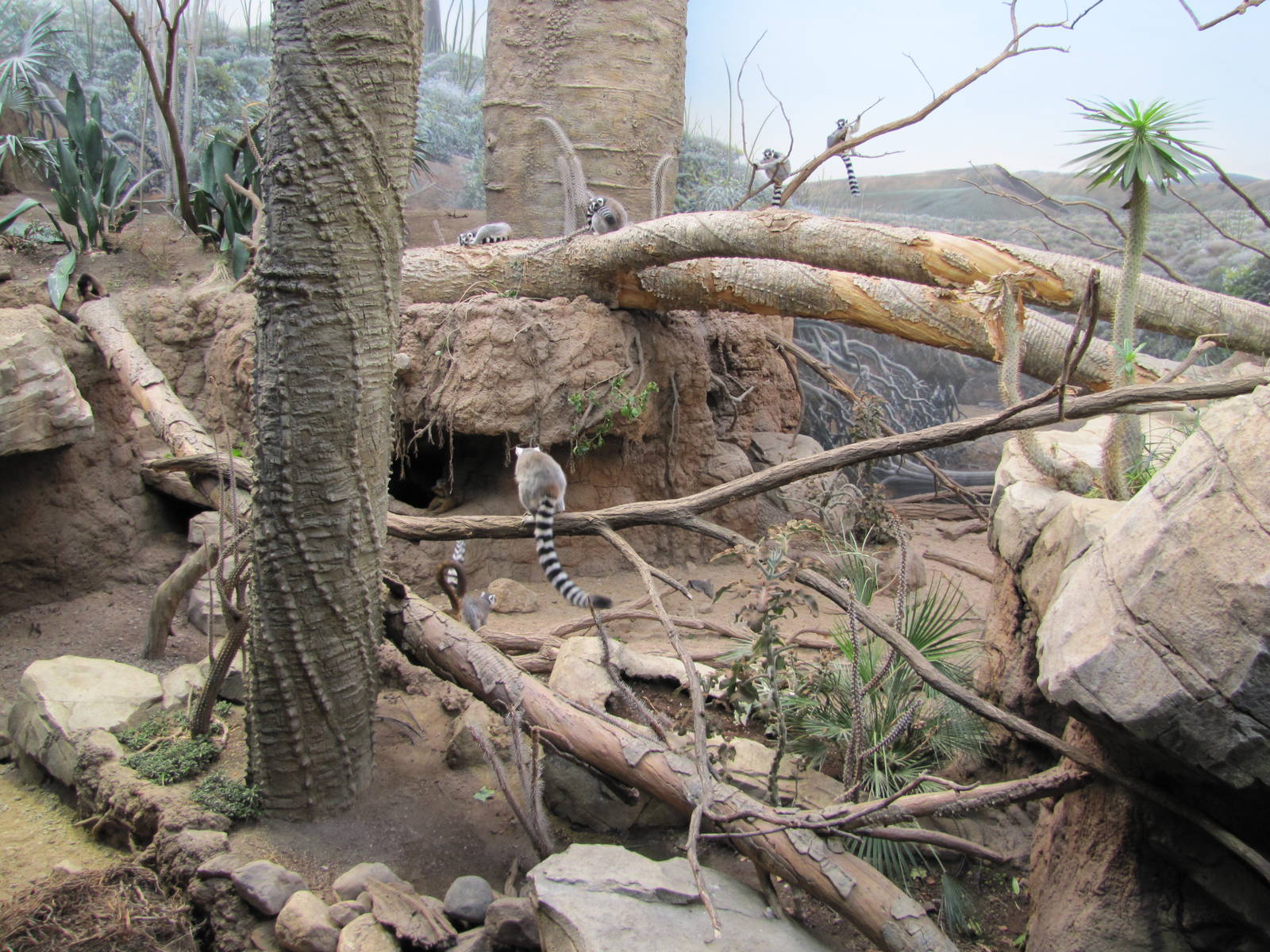
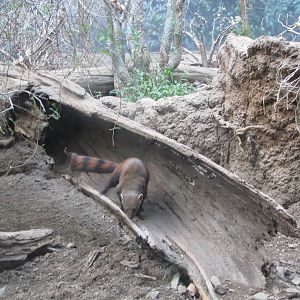
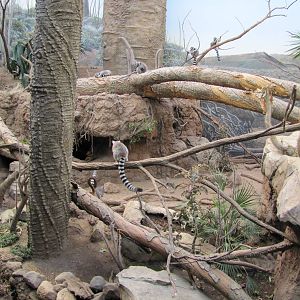
Actually, it is not a desert but a replica of a spiny forest, a habitat-type found only on the southern tip of Madagascar. I would love to see the one in Bronx Zoo as only very few zoos have attempted this type of exhibit before and this looks like the most naturalistic, even though they don't seem to be to bothered with geographical accuracy
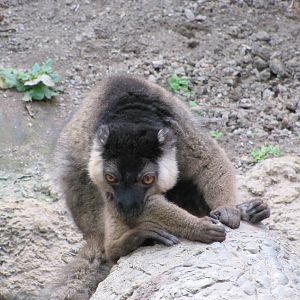
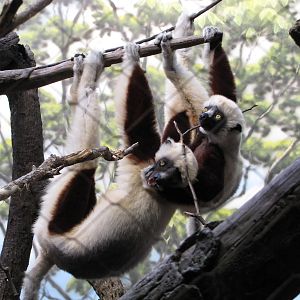
It also looks like they have swapped their red-collared lemurs for white-collared lemurs. Does anybody know why?
Actually, it is not a desert but a replica of a spiny forest, a habitat-type found only on the southern tip of Madagascar. I would love to see the one in Bronx Zoo as only very few zoos have attempted this type of exhibit before and this looks like the most naturalistic, even though they don't seem to be to bothered with geographical accuracy
It also looks like they have swapped their red-collared lemurs for white-collared lemurs. Does anybody know why?
What's the accuracy issue? Ring-tailed lemurs certainly live in the spiny forest, and in the gallery forests running through the region there are brown lemurs (of which white-collared are a variant).
What's the accuracy issue? Ring-tailed lemurs certainly live in the spiny forest, and in the gallery forests running through the region there are brown lemurs (of which white-collared are a variant).
The ring-tailed lemurs are perfectly accurate in this exhibit. Most of their range in the wild consists of spiny forest, combined with dry scrub, decideous forest and gallery forest to the north and east of the spiny forest.
However, I guarantee you that you will never see a white-collared lemur in the spiny forest! The many original types of brown lemurs are no longer considered subspecies but full species in their right (and has been since the start of this century) and none of them live in the spiny forest.
The white-collared lemurs (Eulemur albocollaris) live further north up the east coast and are found only in rainforest habitat as well as the closely related brown-collared lemurs (Eulemur collaris) that live in the rainforests and littoral rainforests just to the east of the mountains that border the spiny forests.
However, natural film docmentaries can be misleading as you may have seen shots of brown lemurs in spiny forests. These are the brown lemurs of the Berenty Reserve, a privately owned reserve in the eastern parts of the spiny forest. The reserve comprises a gallery forest section and a spiny forest section where you can see many ring-tailed lemurs and sifakas both native to the region. However, they have also brought in groups of common brown lemurs (Eulemur fulvus) and brown-collared lemurs (Eulemur collaris). These lemurs have produed a group of hybrids now living in the reserve and I hardly think that we can count those as wild brown lemurs.
The ring-tailed lemurs are perfectly accurate in this exhibit. Most of their range in the wild consists of spiny forest, combined with dry scrub, decideous forest and gallery forest to the north and east of the spiny forest.
However, I guarantee you that you will never see a white-collared lemur in the spiny forest! The many original types of brown lemurs are no longer considered subspecies but full species in their right (and has been since the start of this century) and none of them live in the spiny forest.
The white-collared lemurs (Eulemur albocollaris) live further north up the east coast and are found only in rainforest habitat as well as the closely related brown-collared lemurs (Eulemur collaris) that live in the rainforests and littoral rainforests just to the east of the mountains that border the spiny forests.
However, natural film docmentaries can be misleading as you may have seen shots of brown lemurs in spiny forests. These are the brown lemurs of the Berenty Reserve, a privately owned reserve in the eastern parts of the spiny forest. The reserve comprises a gallery forest section and a spiny forest section where you can see many ring-tailed lemurs and sifakas both native to the region. However, they have also brought in groups of common brown lemurs (Eulemur fulvus) and brown-collared lemurs (Eulemur collaris). These lemurs have produed a group of hybrids now living in the reserve and I hardly think that we can count those as wild brown lemurs.
Thank you for the clarification. I have visited Berenty and saw the animals you reference above, as well as brown lemurs of some sort in the forested slopes of Andohohela National Park just to the east of the spiny forest. Thus my confusion. On the whole, however, Bronx's Madagascar adheres more closely to geographic accuracy than do 99% of "zoogeographic" exhibits in most zoos (i.e. "East African savannas" with scimitar-horned oryx and springbok etc.). And most annoying of all, how many zoos exhibit lemurs in their "African" areas.......
Thank you for the clarification. I have visited Berenty and saw the animals you reference above, as well as brown lemurs of some sort in the forested slopes of Andohohela National Park just to the east of the spiny forest.
Ah yes, and how did you enjoy Berenty? Unfortunately I didn't go myself but I did go to Andohahela National Park. The lemurs you would have seen there were brown-collared lemurs.
On the whole, however, Bronx's Madagascar adheres more closely to geographic accuracy than do 99% of "zoogeographic" exhibits in most zoos (i.e. "East African savannas" with scimitar-horned oryx and springbok etc.). And most annoying of all, how many zoos exhibit lemurs in their "African" areas.......
I completely agree! Madagascar is a unique environment and deserves to be treated that way in zoos, not just as a part of Africa. I also hate when zoos exhibit ruffed lemurs and ring-tailed lemurs together as though living in the same habitats.
And even though Madagascar! has one small inaccuracy I would still love to see it as it sure looks great from the photos I have seen
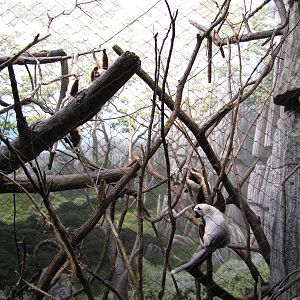
Does anyone know if the birds in this exhibit are vasa parrots? The Bronx Zoo isn't very specific on the website and I don't remember seeing the signage last time I went.
Does anyone know if the birds in this exhibit are vasa parrots? The Bronx Zoo isn't very specific on the website and I don't remember seeing the signage last time I went.
I've seen Lesser Vasa, Red Fody, Grey-Headed Lovebirds, and Crested Coua in this enclosure before. When I visited on Saturday, however, the vasa and lovebirds were in World of Birds and I saw no sign of the fodies, coua, or even the Collared Lemurs!