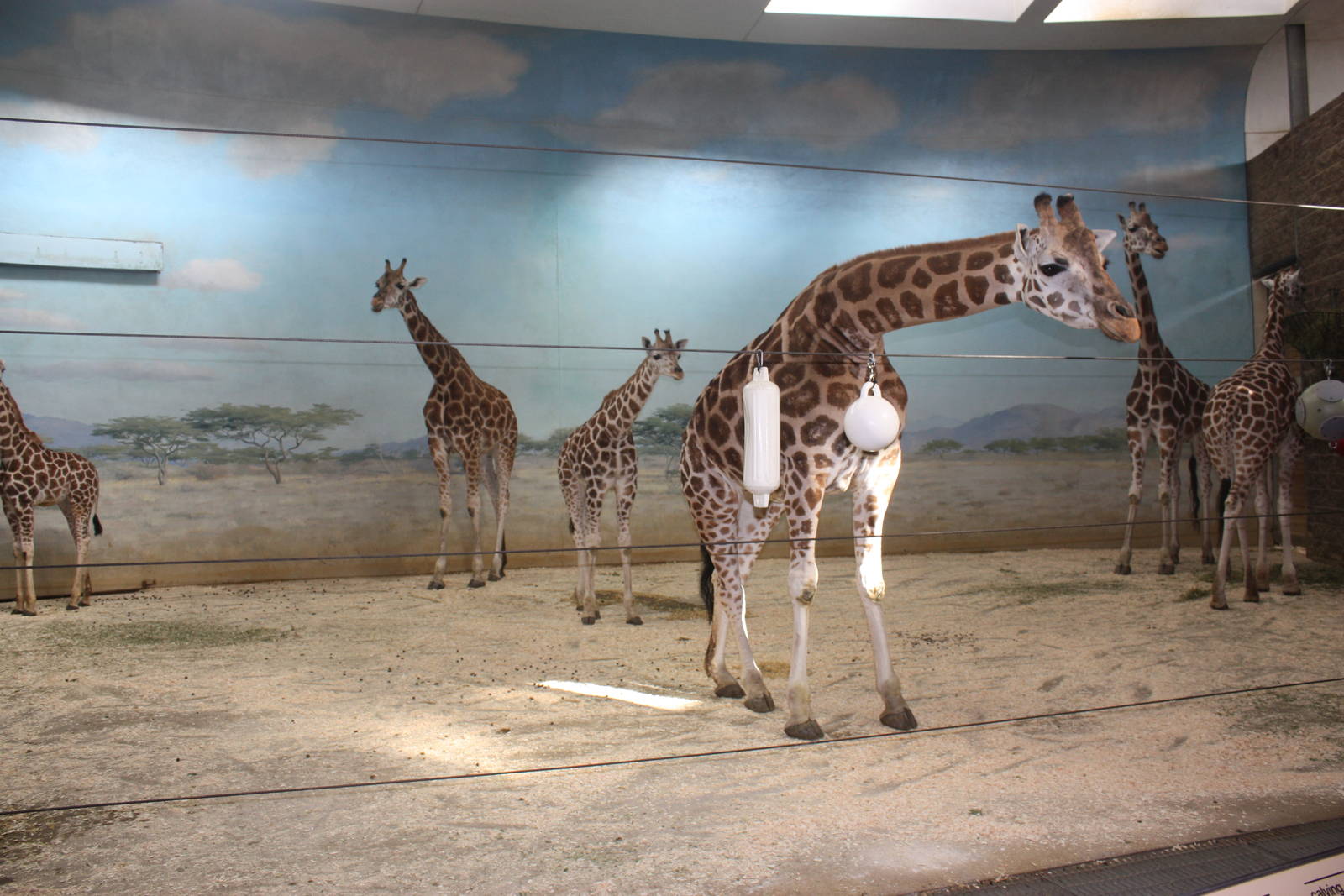
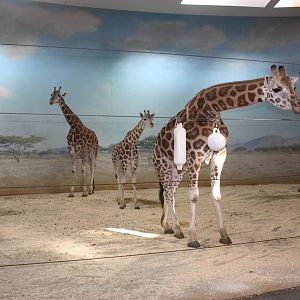
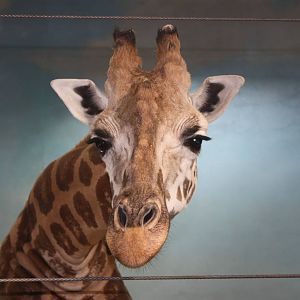
You provided a great desription in the write-up beneath the photo, as having 8 giraffes locked in a single tiny room for months at a time is surely a public relations disaster. Have there been complaints in the past, or is it generally accepted that this is what all northern zoos do in the winter? I know that many visitors love being up close with the animals, and most people surely do not realize just how much time the giraffes spend crammed in their barn.
You provided a great desription in the write-up beneath the photo, as having 8 giraffes locked in a single tiny room for months at a time is surely a public relations disaster. Have there been complaints in the past, or is it generally accepted that this is what all northern zoos do in the winter? I know that many visitors love being up close with the animals, and most people surely do not realize just how much time the giraffes spend crammed in their barn.
I find it strange that so many zoos in the US keep animals locked inside for such long periods, it's not too common in Britain and probably mainland Europe as well.
Does the Gulf Stream (possibly wrong, I ain't a meteorologist! ) really protect us that much from inclement weather?
I find it strange that so many zoos in the US keep animals locked inside for such long periods, it's not too common in Britain and probably mainland Europe as well.
I find it strange that so many zoos in the US keep animals locked inside for such long periods, it's not too common in Britain and probably mainland Europe as well. Does the Gulf Stream (possibly wrong, I ain't a meteorologist!) really protect us that much from inclement weather?
In short, yes. The magic number I often hear in relation to allowing giraffes outside access is 40 degrees F (about 4 degrees C), anything below that and they should be inside. According to online sources I found, it appears that the average high in January in London is 47 degrees F (8 degrees C). Meanwhile the average high in January in New York City is 38 degrees F. The difference is enough to mean the difference between giraffes being indoors and giraffes being outdoors.
In short, yes. The magic number I often hear in relation to allowing giraffes outside access is 40 degrees F (about 4 degrees C), anything below that and they should be inside. According to online sources I found, it appears that the average high in January in London is 47 degrees F (8 degrees C). Meanwhile the average high in January in New York City is 38 degrees F. The difference is enough to mean the difference between giraffes being indoors and giraffes being outdoors.
probably better to find the average high for Whipsnade or the Cotswolds or somewhere which would be the "real" temperature of the UK. Big city temperatures are usually higher than what is normal for the country overall.
probably better to find the average high for Whipsnade or the Cotswolds or somewhere which would be the "real" temperature of the UK. Big city temperatures are usually higher than what is normal for the country overall.
yes I got the comparison, but your point was showing that the UK's average temperature was above the 40 degrees Fahrenheit mark. So I felt that showing the average temperature of somewhere outside the cities would be more relevant because most of the giraffes in the UK are not in big city zoos, they are in country zoos.
This is why I question animals like giraffes, elephants, hippos, and rhinos in northern zoos. These are big draws but it is unfair to keep them indoors for such a long time. Have there been many attempts at larger indoor enclosures? What about heated "flooring" in outdoor exhibits? I've heard that a lot of the concern with big animals like this out in the cold is them slipping.
These animals may be inside for weeks at a time (not months) but are likely let out any day the temperature is acceptable. In some cases slippery conditions in the exhibit (remaining ice for example) might restrict them to outside holding yards. Sub-soil heating would not help for it would not warm the animals. Sub-slab heating of course isn't the best substrate for the animals either.
There is, as we often see on ZooChat, a difference of opinion about animal management and what one finds acceptable another does not. But it seems rooted in opinion and preference and not science or fact. We may not like this picture, but is there actual proof that there is a problem?