Thank you for posting such a comprehensive collection of photos from this $500 million, almost brand-new (2008) establishment. Glancing through the many photos of the Osher Rainforest I'm surprised that it features so much modern architecture, as one could argue that it isn't really that "jungle-like" at all. Is that a fair assumption?
Thank you for posting such a comprehensive collection of photos from this $500 million, almost brand-new (2008) establishment. Glancing through the many photos of the Osher Rainforest I'm surprised that it features so much modern architecture, as one could argue that it isn't really that "jungle-like" at all. Is that a fair assumption?
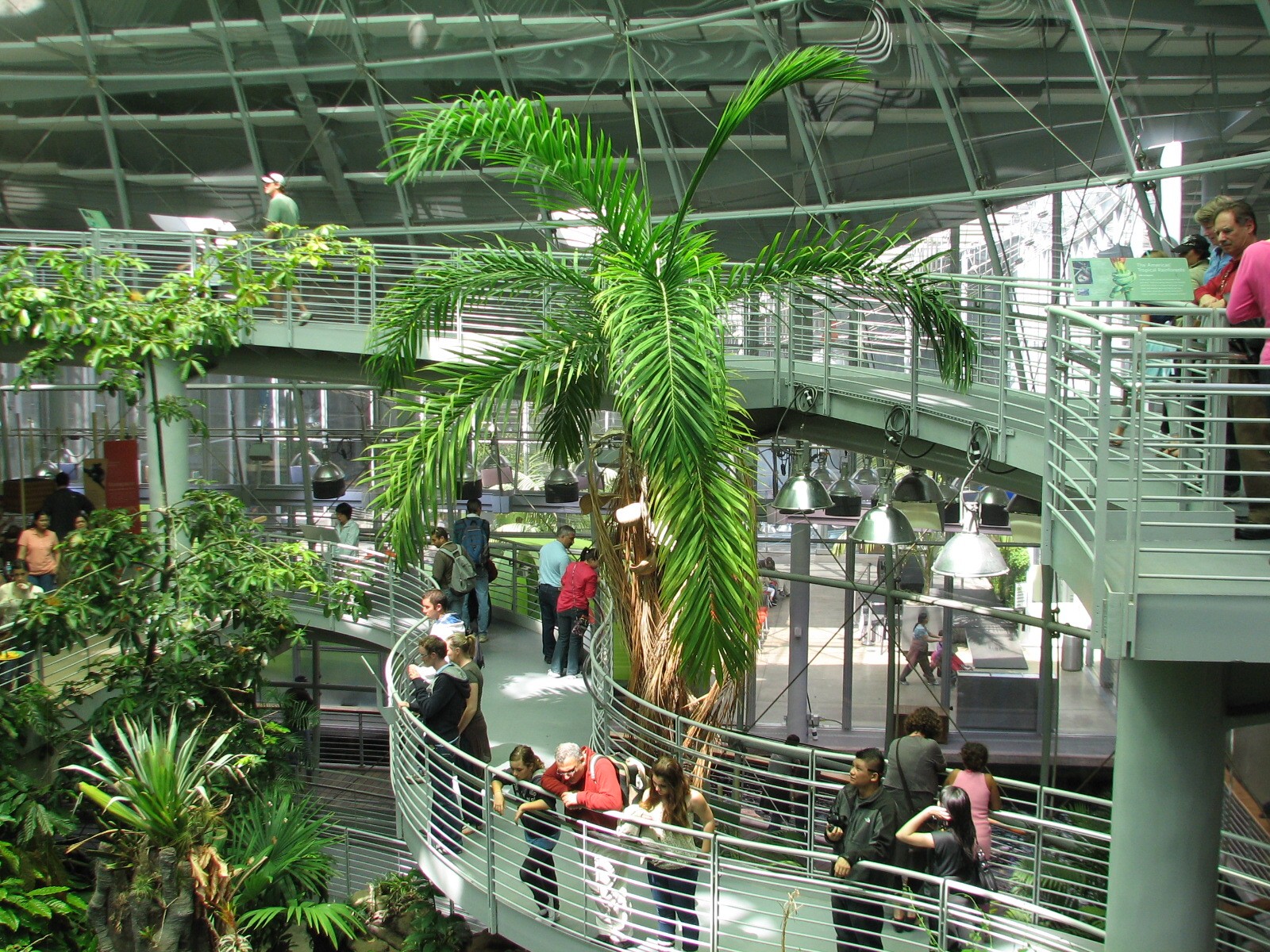
The "starchitect" who designed the CAS was given license to build a dramatic and iconic building first, and to only then accommodate exhibit design, clear visitor flow etc. One is at all times acutely aware of the building architecture, and rarely if ever feel immersed in a natural environment. Only in the underwater tunnel below the floor of this rainforest dome is there really a sense of "being there."
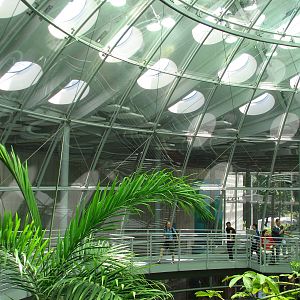
When the best thing about a $500 million natural history facility is its roof (which is unquestionably marvelous) one does have to wonder about how and why priorities were set.
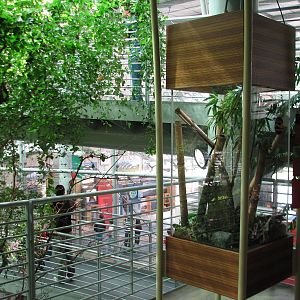
Just from a quick glance through the photos (and of course without visiting myself), the other areas of CAS appear to have balanced architecture and animals very nicely. The rainforest area though just has too much metal. It looks from the photos too much like a tropical indoor garden rather than an attempt at a rainforest. Oddly, it would work if was behind glass, I think, because you wouldn't feel it was expected to be immersive. As it is, it's neither one thing nor t'other.
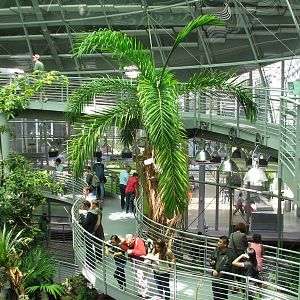
This rainforest is certainly more architectural than naturalistic, reduakari is right in saying that it appears the building program and concept seems to have come first and then the actual needs of the exhibits were adapted to fit the already-conceived spaces. This dome is the same size as the solid planetarium dome on the other side of the building and one wonders if the pursuit of symmetry dictated the size of this one. Due to the realities of a large amount of space on the ground devoted to the Amazon Flooded Forest tank, and the needs of a basement viewing area for ir with a tunnel, the reality seems to be that there was little planting area left inside for the deeper or massive roots of larger trees. Therefore, the volume of the dome will probably never be filled with as much greenery as it appears it should, and the two levels of spiraling ramps will remain exposed rather than immersed.
In this particular shot, I think it is silly that they chose a Queen Palm (unless I am mistakenly identifying it) to feature in the very limited space for trees in the rainforest. It does fit the Americas theme of the plants inside since it is from Brazil, but this species is a dime-a-dozen in coastal California areas such as the one right outside the museum's doors.
In this particular shot, I think it is silly that they chose a Queen Palm (unless I am mistakenly identifying it) to feature in the very limited space for trees in the rainforest. It does fit the Americas theme of the plants inside since it is from Brazil, but this species is a dime-a-dozen in coastal California areas such as the one right outside the museum's doors.