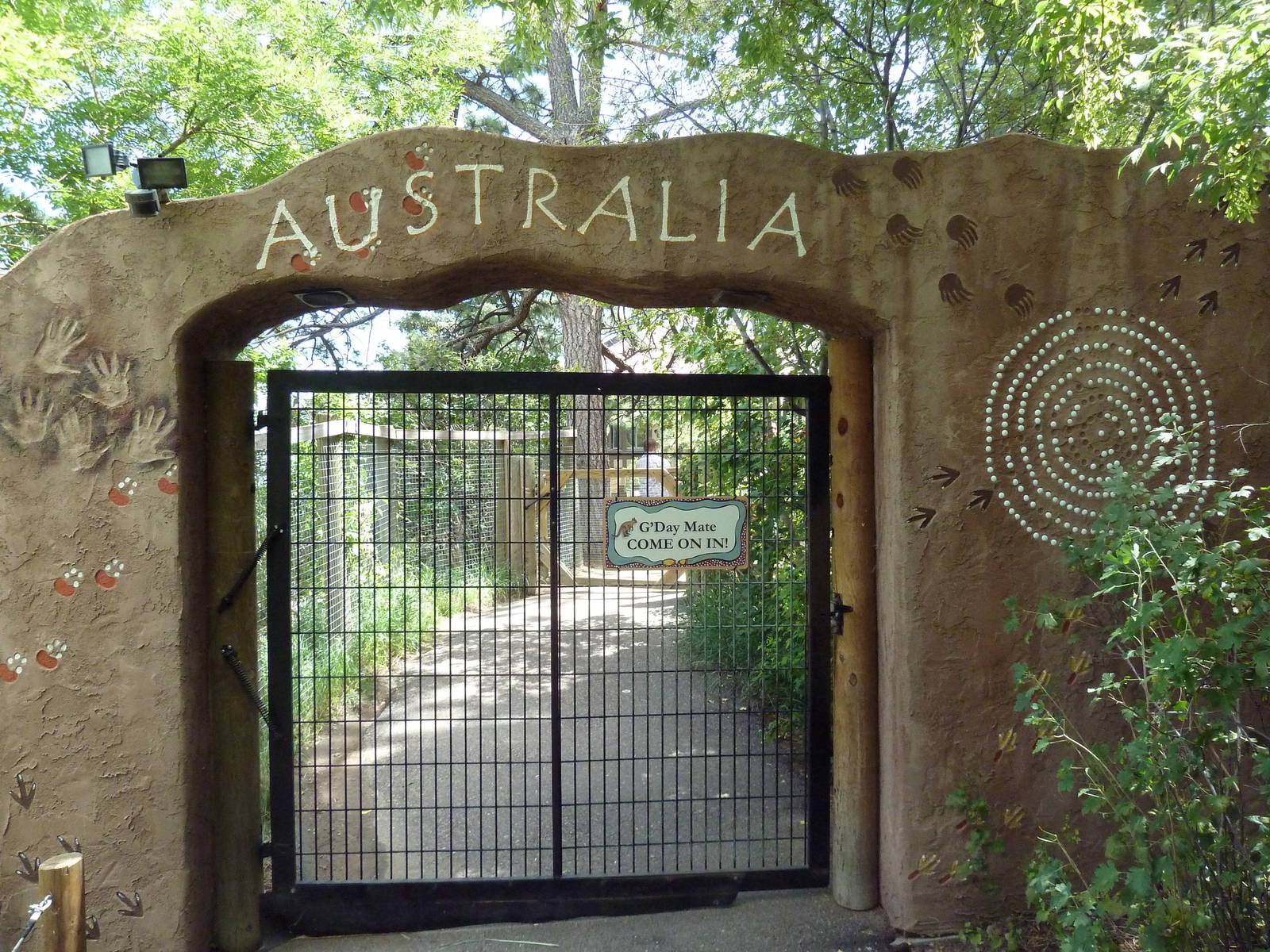
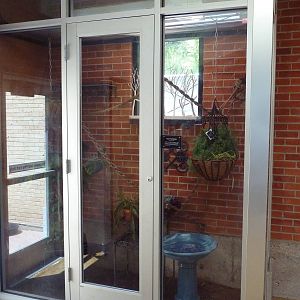
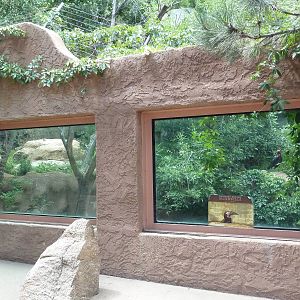
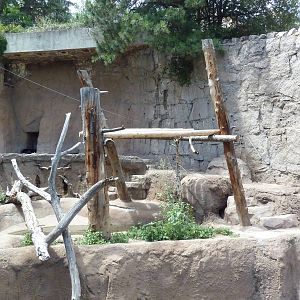
This section is very poor and a major congestion issue for the zoo. Beginning in a few weeks it will close down for around 6 months and the whole area will be revamped. The walk-through wallaby yard will be altered, the budgie aviary will be replaced with something better and a permanent, year-round American Alligator exhibit will replace the current one. The latest annual report discussed those changes and the top part of the zoo needed an overhaul and thus I'm glad that it is occurring.
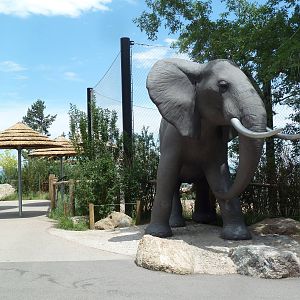
African Rift Valley and Encounter Africa (new in 2013) now take up the entire right-hand side of the zoo that is divided from the rest of the zoo by a road that visitors can take up to the "Will Rogers Shrine of the Sun" (Google it). The problem for the zoo is that African section is so impressive that it must shock visitors to then cross the road and encounter a crappy Australian zone, a couple of outdated bear grottoes and an abysmal Monkey Pavilion from 1942. Then there are a couple of mainly good sections (Asian Highlands and Rocky Mountain Wild) before the Aquatics Building (disappointing) and Primate World (average).
How I'd rank Cheyenne Mountain Zoo's 8 major exhibit complexes:
1- African Rift Valley
2- Encounter Africa
3- Asian Highlands
4- Rocky Mountain Wild
5- Primate World
6- Aquatics Building
7- Australia
8- Monkey Pavilion
One important fact about this zoo is that they advertise themselves as being one of only 9 AZA zoos, out of 224, that receive zero government support. One key difference between this zoo and many others is that Cheyenne Mountain is literally situated on top of a mountain with an extremely affluent local community. The zoo is expensive to enter and does not offer any discounts, the visitors are for the most part obviously wealthy, and I've visited twice in the past few years and driven past many mansions on the way up to the entrance. I've been told that the main reason the facility survives with no government support is that the locals are hugely supportive of the zoo's endeavors.