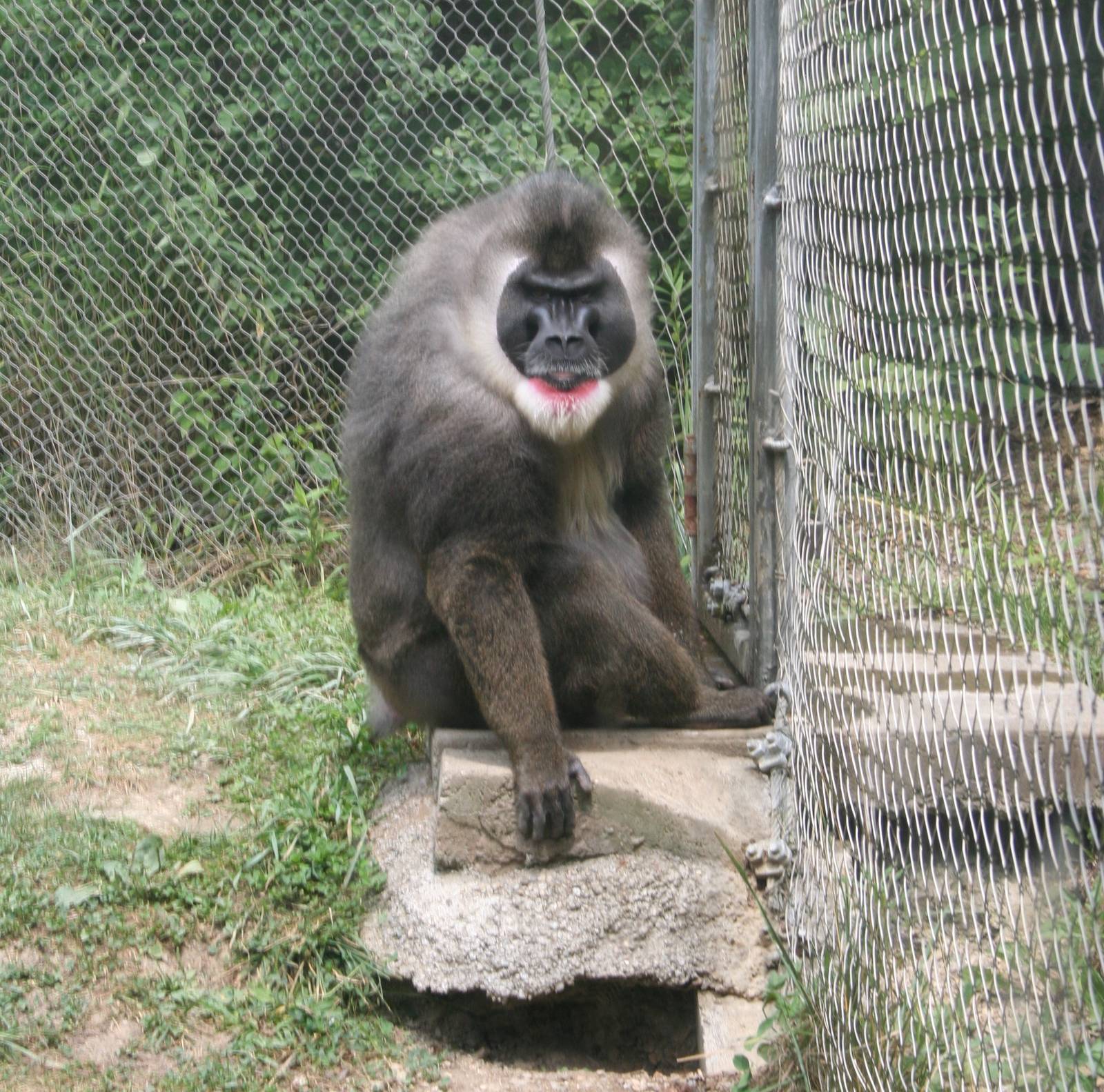
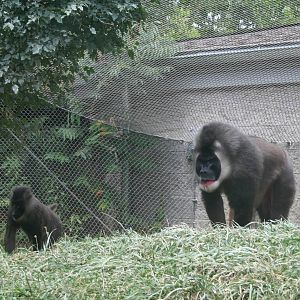
@ColumbusZoo001: In the case of several species you mentioned, it's not the species itself that is hard to breed, but the lack of a sufficient number of breeding animals and of interest in breeding them poses the main problem. Asian Black Bear, Dhole, Pallas Cat, Drill... and more and more Giant Panda and Giant Otter have been and are bred in various non-US-institutions. Especially Pallas Cats have become quite wide-spread in European zoos.
Most of the animals suffer from both problems - lack of a captive population and breeding difficulty. Giant Pandas are only able to become pregnant two days of the entire year and suffer from rarity in captivity. While a few have been born in the last few years I would still group them in the hard to breed category.
Also I said my list only pertained to the US (ie - Pallas' Cat).
That's why the Chinese use AI-and have more and more cubs every year...
About the US-reference-that's why I used the phrase "non-US-institutions". And if we're talking just about the US, shouldn't you rather list species like Jentink's Duiker, Whale Shark or Yapok?
@dragon(ele)nerd: Rather short estrus spans can also be observed in other animals.
In the US, at this very moment I would say the following. This is based on rarity and breeding rates with the current population. They are in no particular order.
Also note that some major zoo animals are having difficulty right now (Asian Elephants, Western Lowland Gorillas, Black Rhinos).
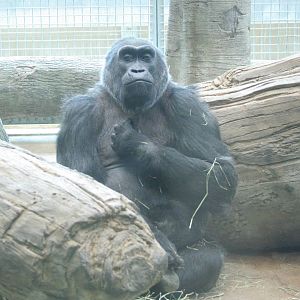
Those three species I just stated are having difficulty right now, not in my top ten. The optimum US gorilla population is around 360 (as defined by the SSP). A recent string of deaths (Hope, Muke, Kambula, Muchana, Shani) has made the population decline even further to around 310. We have had only one birth this year, so we need to see breeding to increase the population. There is also a major risk of more population decline due to the large number of geriatric gorillas.
The same thing is happening to Asian Elephants and Black Rhinos have hit a capacity road block with an uneven gender ratio (almost 2:1 - male to female).
Wouldn't it be possible for some female Asian Elephants to be imported from the likes of the Pinnawela Elephant Orphanage? They've already been taken from the wild, so it wouldn't encourage poaching. The excess males could be swapped, or some zoos could specialise in keeping bulls to make room.
I was talking about little breeding with Asian elephants, not a 2:1 gender ratio. Although all the US elephant births this year have been male (Barack, SDWAP, Columbus).