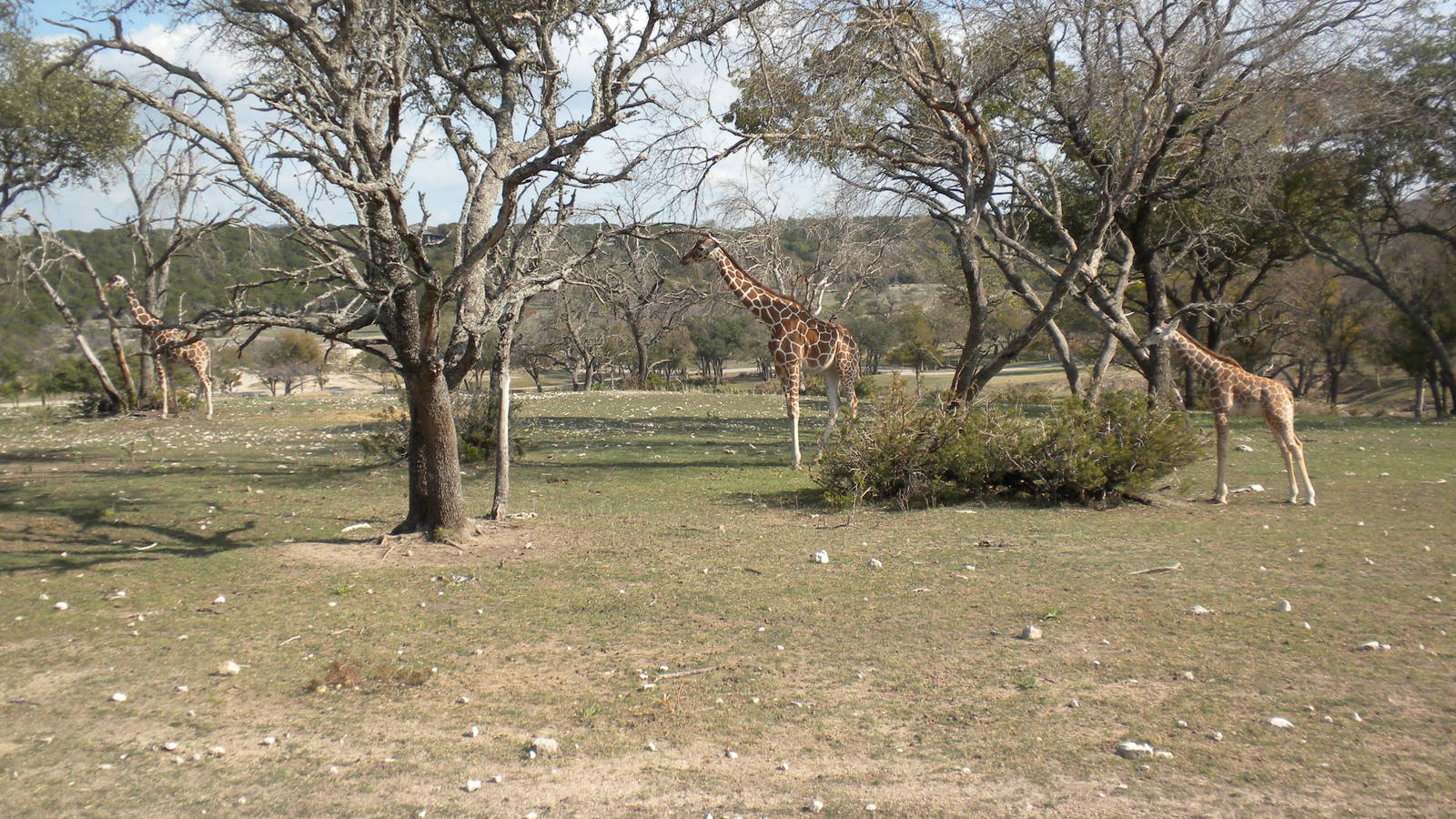
Those two (sub?) species naturally hybridise in N.E Afica. So is it that big a concern for the TAG?
If the felid TAG are prepared to phase out pure leopard subspecies in favour of the polluted Amur subspecies (when Indochinese leopards are rather far removed from Amur leopards both geographically and phenotypically), I personally don't see this being a huge problem.
Those two (sub?) species naturally hybridise in N.E Afica. So is it that big a concern for the TAG?
If the felid TAG are prepared to phase out pure leopard subspecies in favour of the polluted Amur subspecies (when Indochinese leopards are rather far removed from Amur leopards both geographically and phenotypically), I personally don't see this being a huge problem.
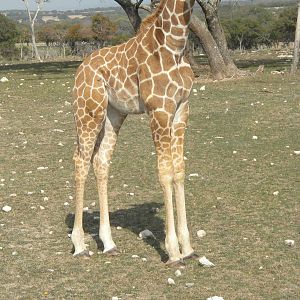
They don't hybridize in the wild. This was assumed to be true because they will interbreed in zoos, but when one looks at their genetic differentiation in the wild the Rothshchild's and reticulated giraffes are reproductively isolated groups.
David, there are rare instances of parapatric giraffe (sub)species hybridising, and that is all it takes!
I suppose what I'd like to know is what is the degree of contamination within the captive populations?
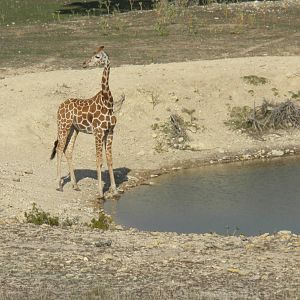
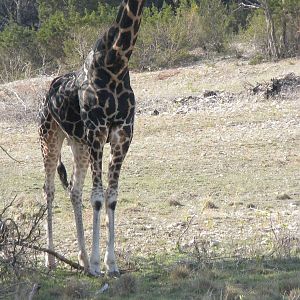
Phenotypically, at least, these two populations resemble their wild counter parts.
According to an article in AZA's magazine Communique, genetic testing was done on US reticulated and Rothschild's giraffes and they were found to be genetically closer to each other than to their wild counterparts. The population in the US is now managed as a single hybrid population. Since reintroduction of captive born giraffes to Africa from the US is expensive and impractical, I'm not sure it matters.
David, there are rare instances of parapatric giraffe (sub)species hybridising, and that is all it takes!
I suppose what I'd like to know is what is the degree of contamination within the captive populations?
Phenotypically, at least, these two populations resemble their wild counter parts.
Respectfully, it takes a lot more than occasional interbreeding between individuals in the wild in order for these groups to be hybridized. This hybridization gets "washed out" of the gene pool unless the interbreeding is ongoing. This is not the case with the giraffes.
Ituri's point is right on. The interbreeding between zoo giraffe groups HAS been ongoing for decades. You are also right Dicerorhinus in that these groups do still look like wild reticulated and Rothschild's giraffes. The great conservation value of these zoo giraffe populations is as conservation ambassadors for the wild relatives rather than as a "backup" population for potential reintroduction. The wild reticulated and Rothschild giraffes need their zoo relatives to drum up conservation awareness in the zoos of the world as both groups have some real conservation challenges in the wild.
Respectfully, it takes a lot more than occasional interbreeding between individuals in the wild in order for these groups to be hybridized. This hybridization gets "washed out" of the gene pool unless the interbreeding is ongoing. This is not the case with the giraffes.
Of course, it’s just that you had previously outright stated there was no hybrising at all! I'm certainly not implying that the wild populations were mixed to a great degree (incidentally isnt .8% a substantial figure for hybridisation when compared to many parapatric species?).
I was curious if the situation in captivity was similar to the wild or more severe and it appears to be the latter.
Of course, it’s just that you had previously outright stated there was no hybrising at all! I'm certainly not implying that the wild populations were mixed to a great degree (incidentally isnt .8% a substantial figure for hybridisation when compared to many sympatric species?).
I was curious if the situation in captivity was similar to the wild or more severe and it appears to be the latter.
There is no evidence from the current genetics data that I am aware of that hybridization happens in the wild between retics and Rothschild's. In the deep past (hundreds or maybe even tens of thousands of years ago) it happened between some individuals perhaps, but then stopped. This pattern was seen between Masai and reticulated giraffes in a narrow geographic zone, but the hybridization stopped hundreds of thousands of years ago.