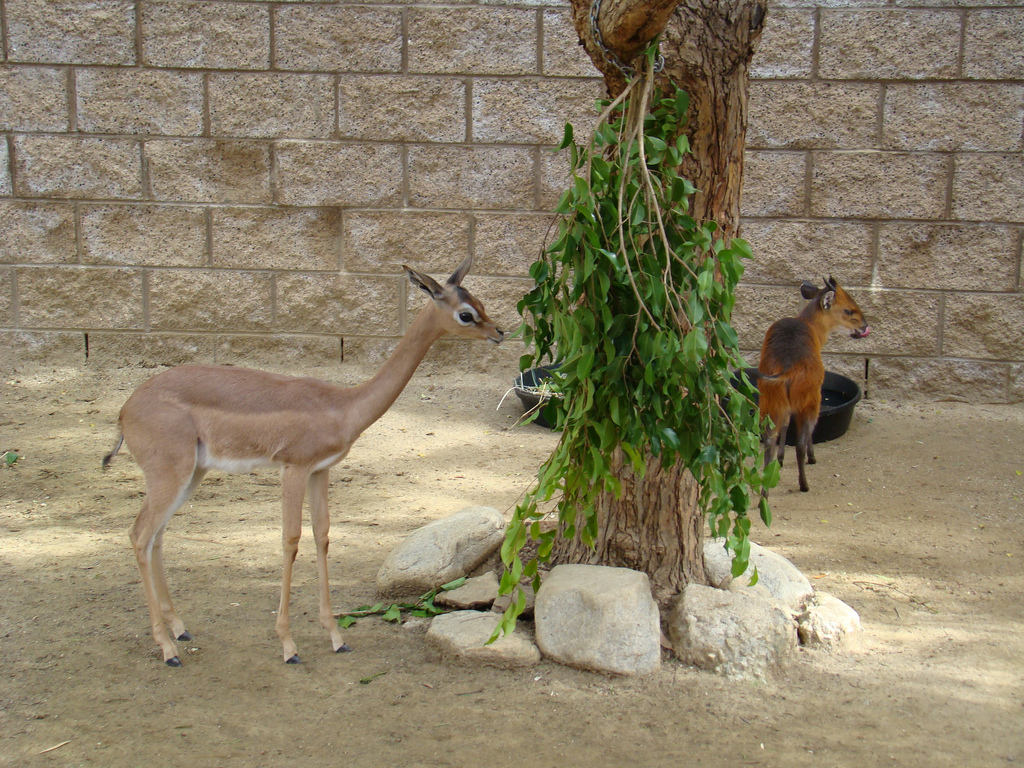
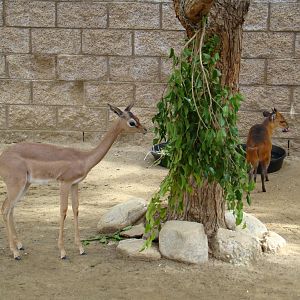
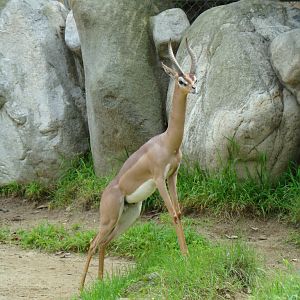
I have noticed that LA seems to always have a gerenuk calf in the nursery. Are there problems with parent-rearing in that species? Or is it perhaps the individual animals in LA? What's the story there?
I have noticed that LA seems to always have a gerenuk calf in the nursery. Are there problems with parent-rearing in that species? Or is it perhaps the individual animals in LA? What's the story there?
I don't really know, but I once heard that due to the steepness/roughness of the exhibit the gerenuk calves must be pulled out because they don't want them to break their legs. There must be other reasons I don't know about.
Some hoofstock species are very flighty animals and these species fall into that category. By handraising them its much safer to send them to other facilities. They get used to being around people and strange noises. The pronghorn are also raised that way. I believe our success with these animals is outstanding. There have been over 150 gerenuk born at the zoo since we first received them in the late 70's.
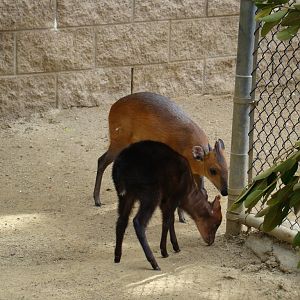
Perhaps I was unclear. Of course the zoo would prefer parental care. However, these species can & do get injured when being transfered to another facility. Handraising them gives them a better chance at surviving the transfer. Most of the gerenuk and the 2 duiker species that the zoo keeps are only in US zoos do to our husbandry protocols. Until Los Angeles started keeping gerenuk, their lifespan was quite short in captivity. None of these animals have been born thru AI. They certainly breed on their own and 150 born in a period of 30 years is pretty good. Since LA keeps the studbook on the gerenuk, I doubt that the population is completely inbred. Unrelated males from other facilities have been brought in to breed with unrelated females. At some point, the entire population will be related as no new bloodlines will be available. I hope this clears up any misconceptions.