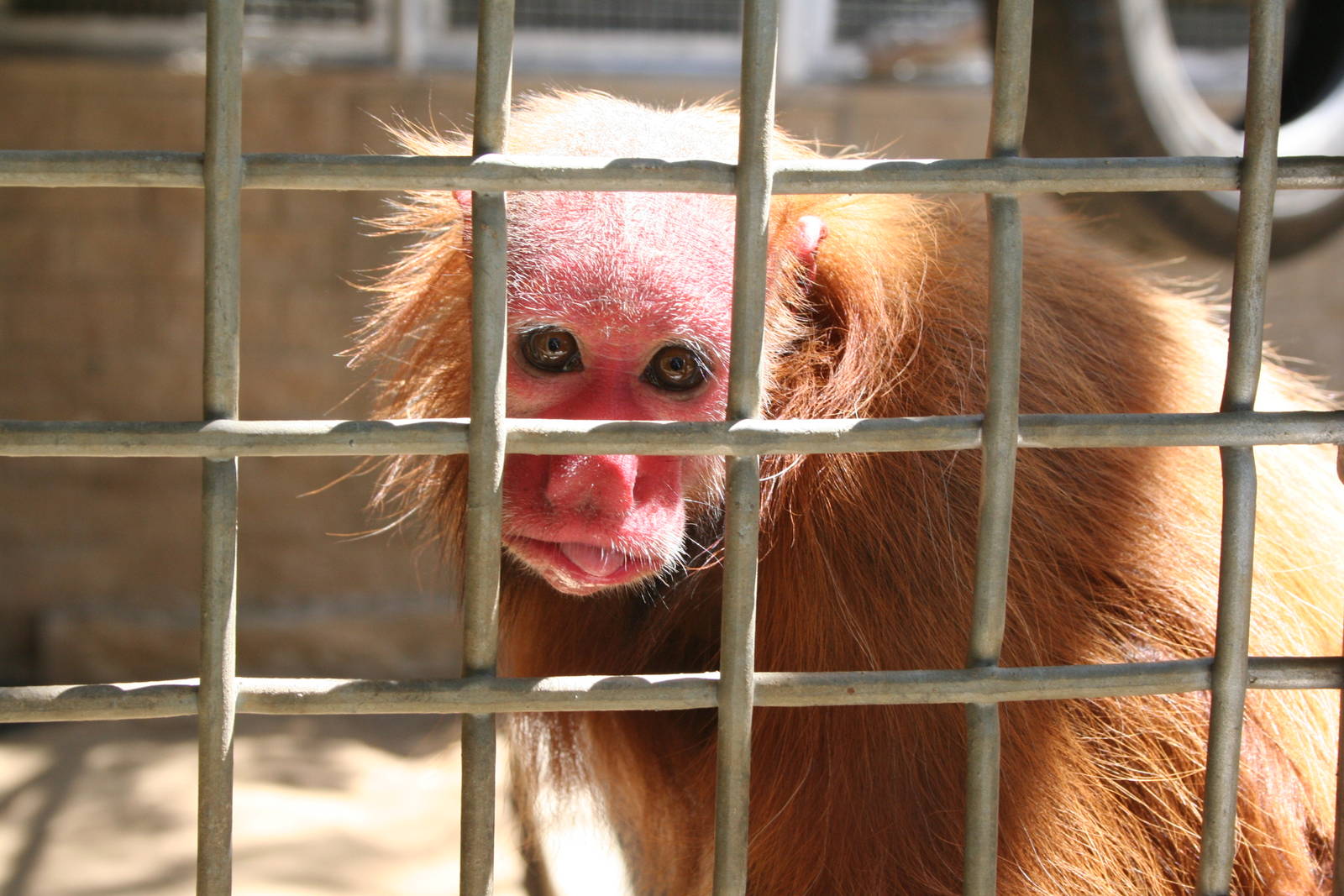
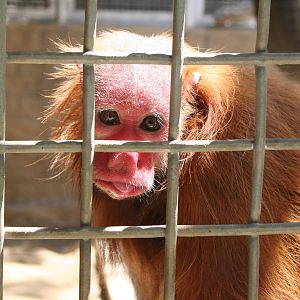
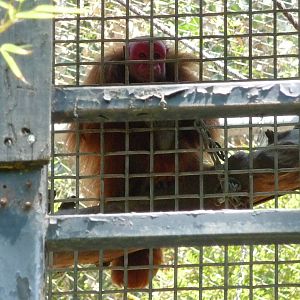
How you get so close? I've asked if I could get close to the exhibit before, but they've told me that due to the male being aggressive towards male humans I couldn't get close.
Amazing - would love to see this species, and whilst I don't think I ever will I'm not going to say never as a few primate species I didn't expect to see in Europe have cropped up in the recent past.
It's amazing the diversity of primates not kept in zoos [or many zoos], some of which are still considered near-impossible [red colobus, tarsiers etc].
Do LA still keep this species off-show, and if so are they a breeding group or the end of a phase out? And final question, do you personally think there may be a future for this species in captivity?
Do LA still keep this species off-show, and if so are they a breeding group or the end of a phase out? And final question, do you personally think there may be a future for this species in captivity?
They are off exhibit now, but the sign on the construction site for the new Rainforest of the Americas indicates that there will be a red uakari exhibit. The new exhibit should be open sometime in 2013.
Amazing - would love to see this species, and whilst I don't think I ever will I'm not going to say never as a few primate species I didn't expect to see in Europe have cropped up in the recent past.
It's amazing the diversity of primates not kept in zoos [or many zoos], some of which are still considered near-impossible [red colobus, tarsiers etc].
Do LA still keep this species off-show, and if so are they a breeding group or the end of a phase out? And final question, do you personally think there may be a future for this species in captivity?
I have been to L.A. a couple times and have only seen the pair once. You are able to see them, when there are actually out, fairly well. The time I saw them they were also pretty active too.
Bald Uakari monkeys are a very strange looking animal. I personally believe that would appeal to the public. They would leave the zoo with the picture of that strange red-headed monkey in their minds while other not- so-unusual animals, that are also endangered, could easily be forgotten about by the general public. Animals that make an impression are generally loved by the visitors and if a visitor loves an animal, and they figure out that animal is endangered, they would want to help it (usually). I'm not saying the Bald Uakari would get as much hype as the Giant panda or whales but the monkey would at least get some attention if they were ever that common in zoos.
Uakari monkeys have a very low reproductive rate. If a female manages give birth to a healthy baby, she will not breed for another two years. Plus, this new baby monkey will also have to wait a while before he/she can breed as well. Males mature at the age of six and female at three, meaning there can't be any rapid growth. Uakari monkeys diet is also another problem. They are mainly frugivorous and also eat a lot of seeds. Now, I'm no horticulturist but I don't think its that easy and cheap to grow tropical fruit plants and only use the seeds of the fruit. It may be so, I'm not sure. I would be very interested to find out L.A.'s diet for these uakari.
Another factor you have to put in is that every monkey has there own personality, Apparently this one doesn't like males ( not the best exhibit animal ) Thats probably why they are so high up from the visitors view.