UngulateNerd92

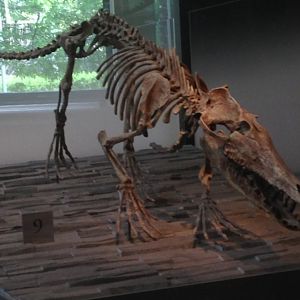
Pakicetus attocki

Pakicetus attocki an extinct genus of amphibious cetacean of the family Pakicetidae, this taxon was endemic to Pakistan and lived during the Early Eocene. The vast majority of paleontologists regard it as the most basal whale.

Besides Pakicetus attocki, there are 3 other species in the genus Pakicetus, those being Pakicetus inachus, Pakicetus calcis, and Pakicetus chittas

This skeleton can be seen in the Age of Mammals Hall
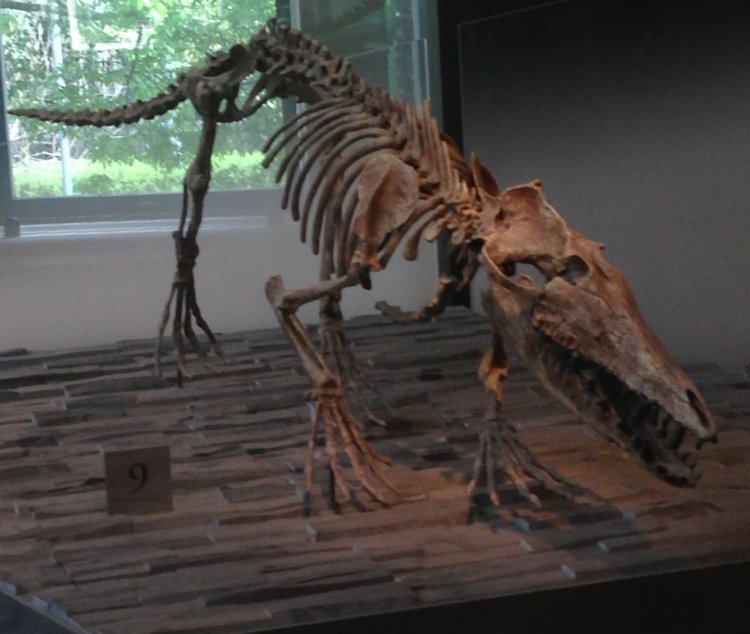
Pakicetus attocki an extinct genus of amphibious cetacean of the family Pakicetidae, this taxon was endemic to Pakistan and lived during the Early Eocene. The vast majority of paleontologists regard it as the most basal whale.

Besides Pakicetus attocki, there are 3 other species in the genus Pakicetus, those being Pakicetus inachus, Pakicetus calcis, and Pakicetus chittas

This skeleton can be seen in the Age of Mammals Hall
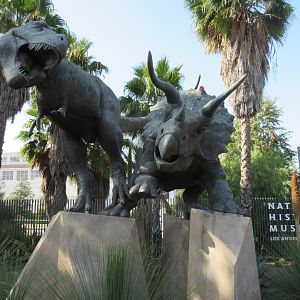
 
Pakicetus attocki an extinct genus of amphibious cetacean of the family Pakicetidae, this taxon was endemic to Pakistan and lived during the Early Eocene. The vast majority of paleontologists regard it as the most basal whale.

Besides Pakicetus attocki, there are 3 other species in the genus Pakicetus, those being Pakicetus inachus, Pakicetus calcis, and Pakicetus chittas

This skeleton can be seen in the Age of Mammals Hall
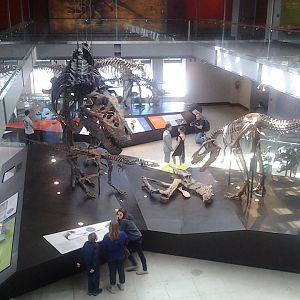
does the museum actually say the species "was endemic to Pakistan"?? They do know that Pakistan didn't exist in the Eocene, right?
 
does the museum actually say the species "was endemic to Pakistan"?? They do know that Pakistan didn't exist in the Eocene, right?

I dont remember exactly what the sign said, but next time I am there, I will check again, I actually volunteer at this place and took this photo on my lunch break

Perhaps the way I should have said it was, they were endemic to what is now Pakistan

I guarantee you they know Pakistan didnt exist during the Eocene, there is actually a display showing what the earth looked like during the times between the Paleocene and the Holocene
 
Perhaps the way I should have said it was, they were endemic to what is now Pakistan.
well, no, not even that. The fossils were found in what is now Pakistan. That is not the same as the species was endemic to that particular site. It just as (probably more) likely that it was found across the whole Tethys Sea area.
 

Media information

Category
Natural History Museum of Los Angeles County
Added by
UngulateNerd92
Date added
View count
2,491
Comment count
4
Rating
0.00 star(s) 0 ratings

Share this media

Back
Top