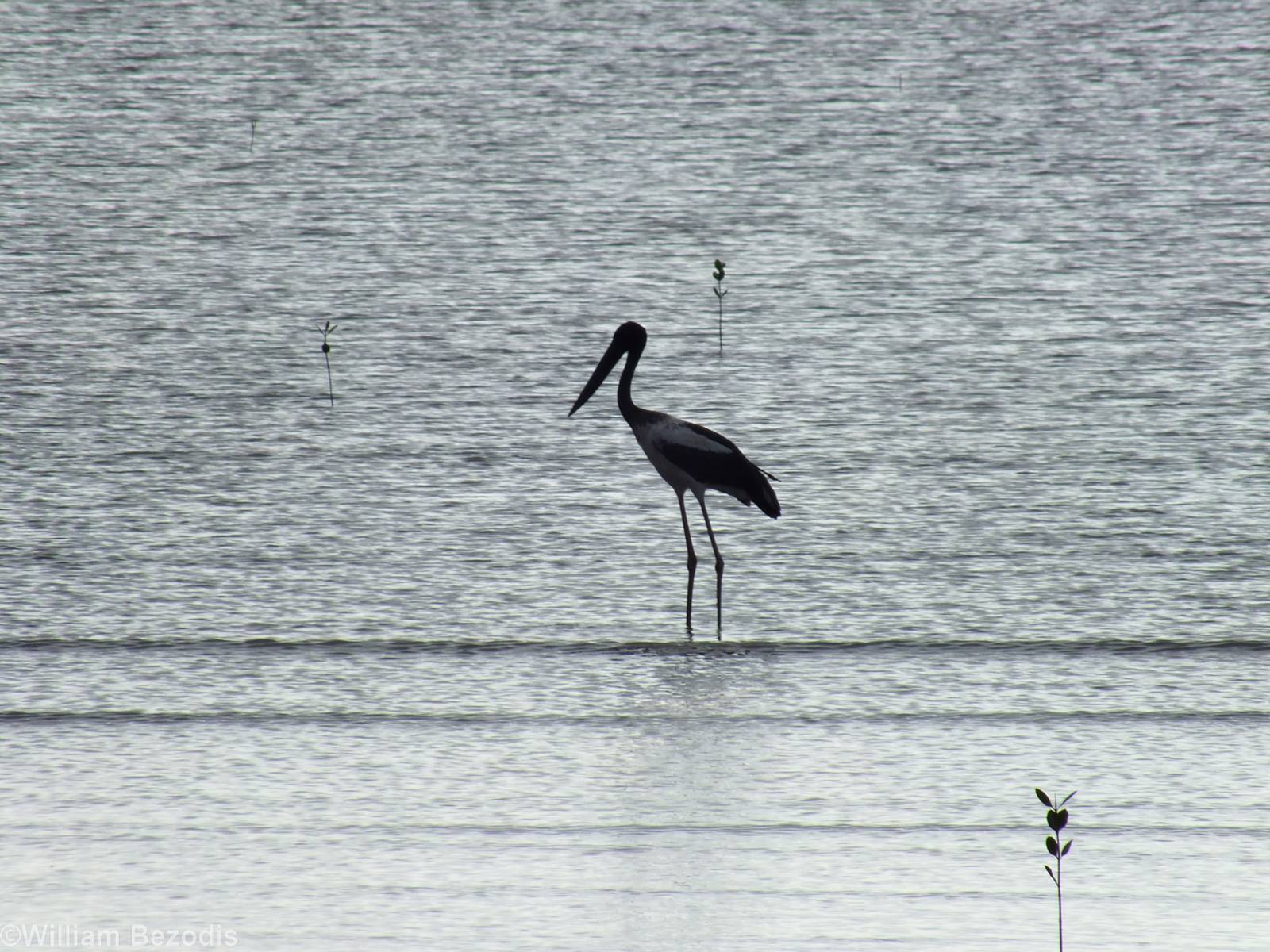
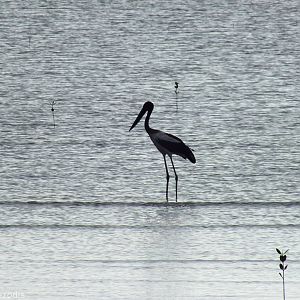
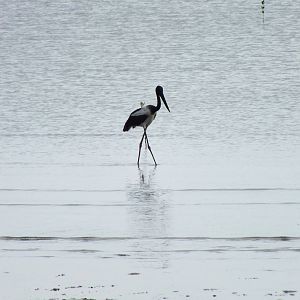
I imagine the species I lack which there is the best chance of seeing in the next few years is Milky Stork, as these are about in low numbers throughout European collections. Had the last individual at Vogelpark Niendorf not died shortly before my visit, I'd have it already Suspect my odds of seeing the other three are significantly lower unless I leave Europe, as none are around anymore and I don't see much chance of any new stock being imported.
Asian Open-billed are absent from public collections in Europe now, too, although I believe they are still around in private collections - I'd love some to pop up somewhere I could visit, as I didn't get a record shot when I saw this species at Blackbrook Zoo.
African Open-billed Stork - first seen 2013 Asian Open-billed Stork - first seen 2013 Abdim's Stork - first seen 2012 Oriental White Stork - first seen 2013 European White Stork - first seen 2010 Asian Woolly-necked Stork - first seen 2012 African Woolly-necked Stork - first seen 2016 Maguari Stork - first seen 2014 Black Stork - first seen 2010 Storm's Stork - first seen 2016 Saddlebilled Stork - first seen 2013 Marabou - first seen 2012 Lesser Adjutant - first seen 2016 Wood Stork - first seen 2016 Yellow-Billed Stork - first seen 2013 Painted Stork - first seen 2016
you could count them if you want. The Singapore Painted Storks all come from the free-flying colony at the zoo, and the Malaysian ones from the free-flying colonies at several zoos, primarily Zoo Negara in Kuala Lumpur. They have spread out from those colonies but I don't feel comfortable counting them on my list. The Milky Storks seen here and there in Singapore likewise come from the zoo. There was a proper Millky Stork reintroduction attempt at Kuala Selangor in Malaysia, and I saw them there in the early stages but didn't count them because they were just a handful of released birds - the reintroduction never really took hold and there's only a few of those same birds left there now.
I don't split Woolly-necked, but for the record I've seen all three subspecies anyway, just for good measure!
(though I have to admit defeat on Anastomus lamelligerus madagascariensis, Ciconia ciconia asiatica and Ephippiorhynchus asiaticus australis - only seen the nominate form of those!)
Great shot . They only stork species I've seen in the wild are wood storks, and I've seen at least 50 the last two days (mostly at the St. Augustine rookery). In captivity I am missing Asian openbill, greater and lesser adjutant, milky, oriental white, and wooly necked.