An excerpt from my review on the 39 zoo/aquarium summer 2010 road trip thread:
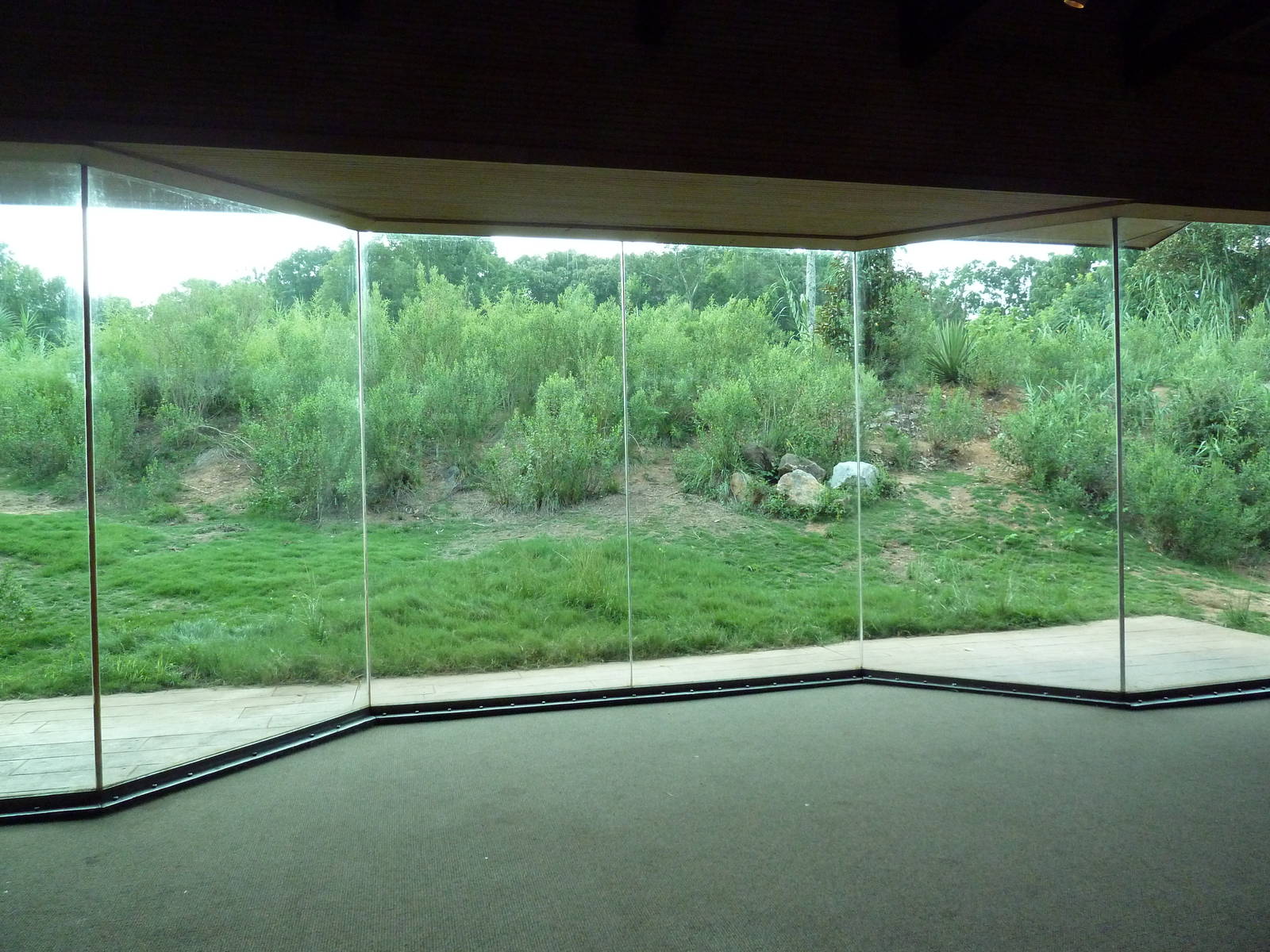
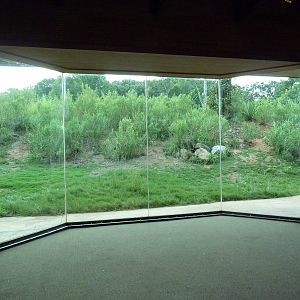
Ndoki Forest – This African section contains the most densely planted gorilla exhibit I’ve ever seen, and there are enormous viewing windows and a large viewing area outdoors. However, the vegetation is so thick that it is ridiculously difficult to actually spot an ape, and judging from signs the zoo only has two males. They need more gorillas to add to what has the potential to become yet another great American gorilla habitat, because as it stands right now one would be better off finding a needle in a zoological haystack.
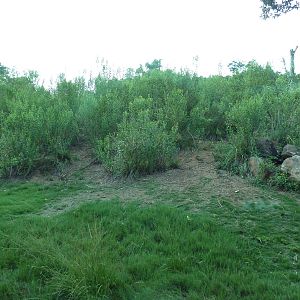
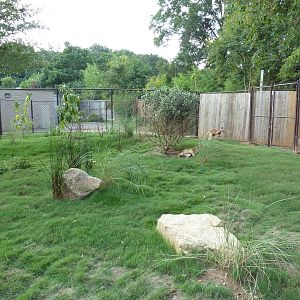
Its almost the reverse of many Gorilla exhibits- dense vegetation but completely featureless with no apparent 'relief' in the form of trees, branches, big logs etc. Is that correct or just the angle of the photo?
Its almost the reverse of many Gorilla exhibits- dense vegetation but completely featureless with no apparent 'relief' in the form of trees, branches, big logs etc. Is that correct or just the angle of the photo?
The vegetation is thick but you have a great point about the enclosure being fairly "featureless". I never did see a gorilla on my visit! Here is another photo from the edge of the exhibit:
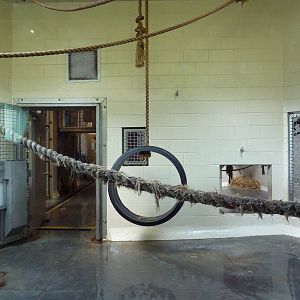
South Carolina on the summer is ferociously hot and humid. With no overhead canopy (forest or man-made), the gorillas tend to stay in their cooler indoor areas or in the shade of the holding building, pretty much invisible from either of the exhibit's main viewing areas. Plus they are adult males, generally less active than a larger, mixed social group.
I believe that this exhibit has enormous potential, if only the zoo would be able to have a troop of gorillas of varying ages. To be at the huge viewing windows and then see several apes parting the foliage would be amazing, but with two males in thick vegetation with no canopy then what are the odds of spotting a silverback?
I believe that this exhibit has enormous potential, if only the zoo would be able to have a troop of gorillas of varying ages. To be at the huge viewing windows and then see several apes parting the foliage would be amazing, but with two males in thick vegetation with no canopy then what are the odds of spotting a silverback?
Well, if they were successful in getting a larger group with youngsters, you'd want to visit in the first few weeks to enjoy the sight you describe. It is a relatively small exhibit, and a group of active gorillas would make pretty short work of most of the unprotected low vegetation that the sendentary adult males have ignored.
Getting breeding groups of gorillas is difficult for zoos that don't already have them. There is a major surplus of males in the SSP, so zoos opening new, first-time gorilla exhibits tend to be offered only all-male groups, which are notoriously hit-or-miss.
I suppose then that it is a catch-22 situation if the zoo were to pursue females and youngsters for this exhibit as the vegetation might be destroyed and thus the illusion of a dense habitat would be obliterated. Riverbanks and Sedgwick County both opened new gorilla habitats in the past decade, and both have all male groups.
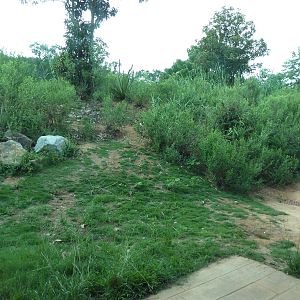
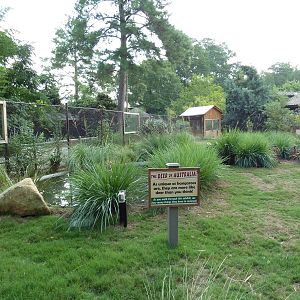
Here is a photo that shows just how overgrown the vegetation is: