All of these species are fascinating , each in its own way. It takes real talent to achieve boredom with this species mix, and San Antonio has achieved it.What is wrong with these people? Have they gone to bed with the insurance people, the architects or exactly with whom to achieve the anodyne results reflected here? Just as well I am independently wealthy or I would never enjoy the pleasure of stating this simple truth right here where it hurts.Well done to those other valiant institutions using their imaginations to achieve a worthy result without burning through the budgets.
All of these species are fascinating , each in its own way. It takes real talent to achieve boredom with this species mix, and San Antonio has achieved it.What is wrong with these people? Have they gone to bed with the insurance people, the architects or exactly with whom to achieve the anodyne results reflected here? Just as well I am independently wealthy or I would never enjoy the pleasure of stating this simple truth right here where it hurts.Well done to those other valiant institutions using their imaginations to achieve a worthy result without burning through the budgets.
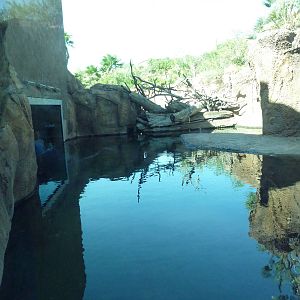
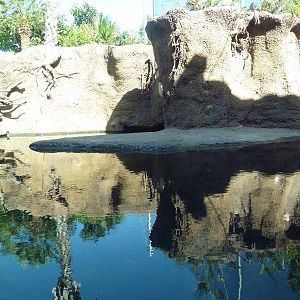
You should see San Antonio's basic wire aviaries that are prolific and sleep-inducing, or the rhino paddocks with ugly bunkers (ie: barns), or the fantastic hoofstock collection contained within what is literally a gigantic rock quarry. The newer developments (Africa Live, Tiny Tots children's area) are the best part of the zoo, but the rest of the amazing animals are kept in dull and at times shoddy enclosures. At times I was wondering if the zoo had grass anywhere!
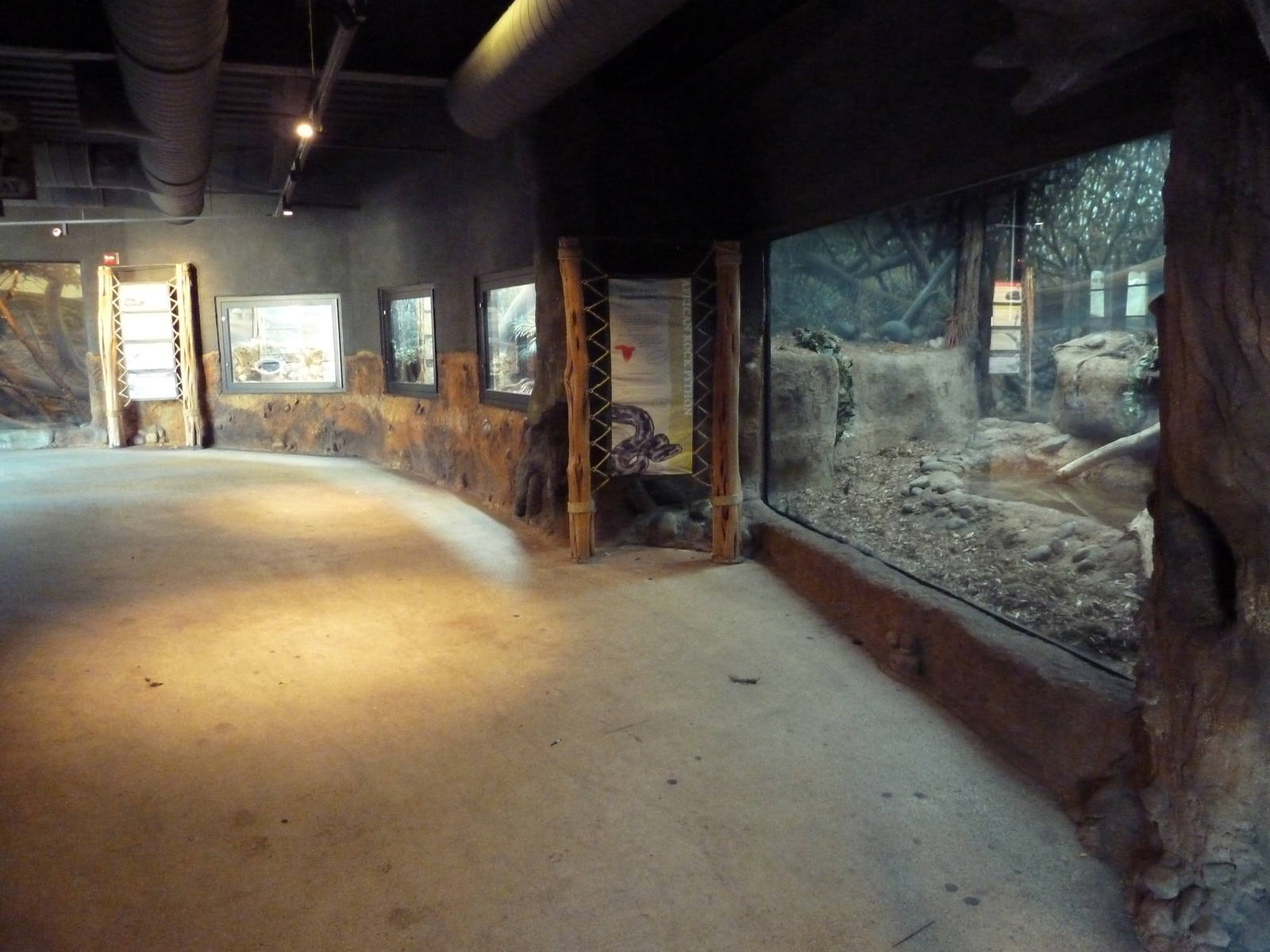
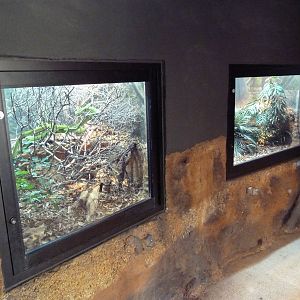
@ European Fauna - what is so bad about these exhibits? It looks pretty good to me. I mean most reptile cases are inside a building with a plain wall, but this one has natural rockwork. And that first enclosure, which I assume is palm civet, looks pretty natural and good sized.
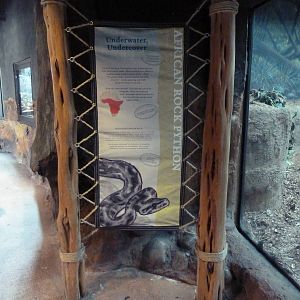
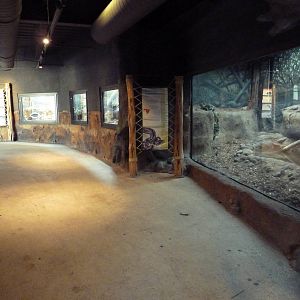
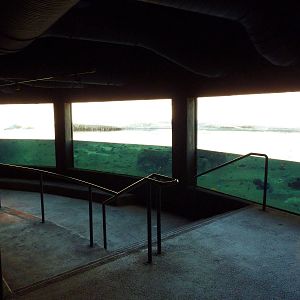
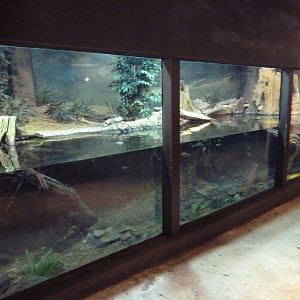
The first enclosure on the right is the African rock python, and then there is the Egyptian cobra exhibit, the green mamba exhibit, the two viper species are together in one terrarium, and then the last exhibit (on the far left and partially cut off from view) is the extremely rare African palm civet. This building also continues terrific underwater viewing areas for Nile hippos, Nile crocodiles, dwarf crocodiles and several smaller aquariums.