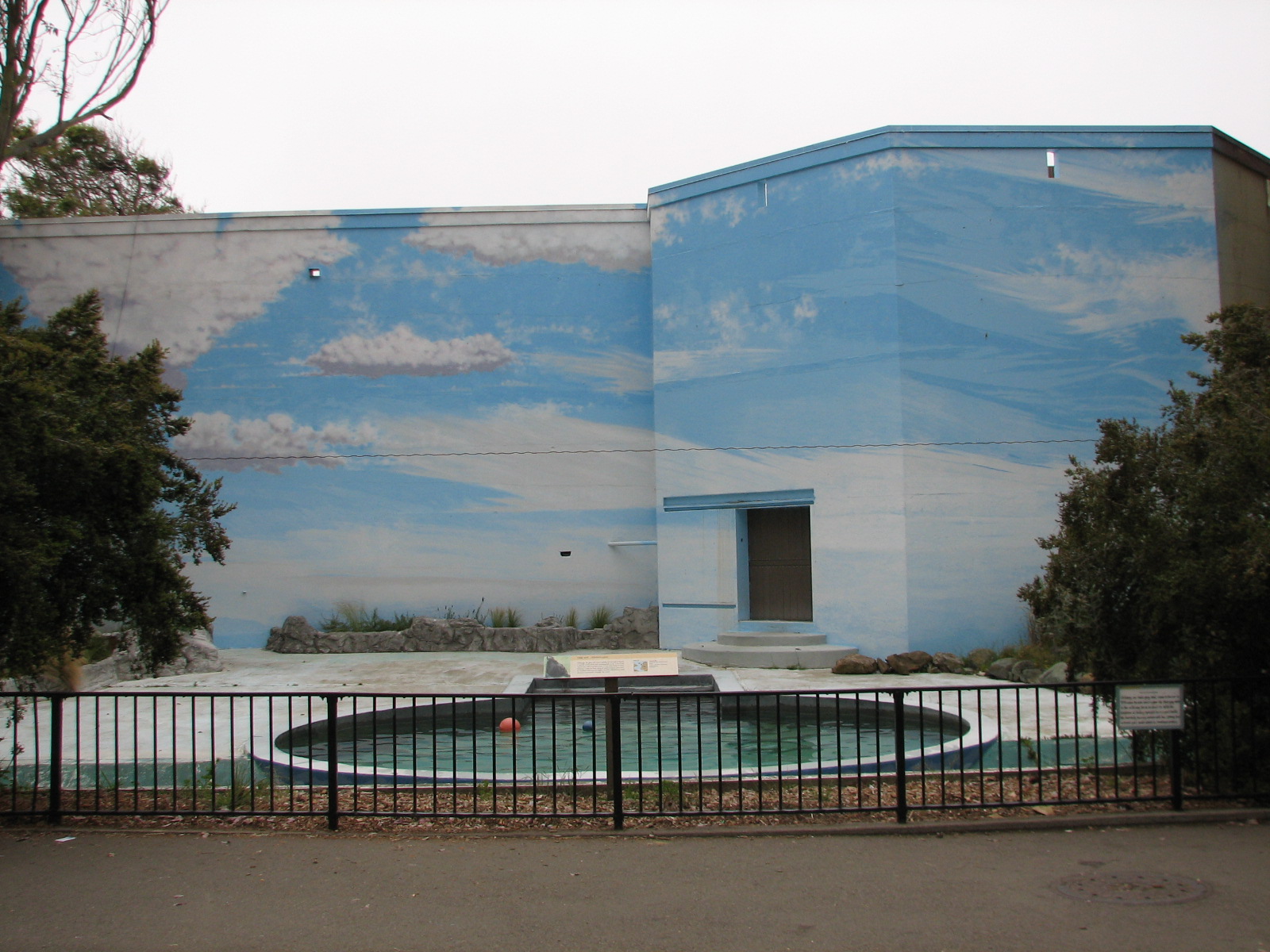
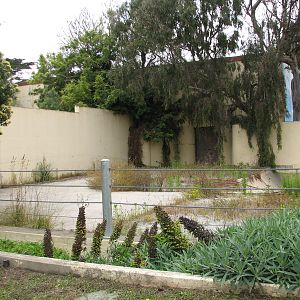
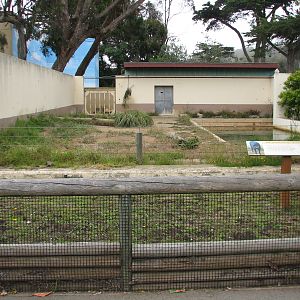
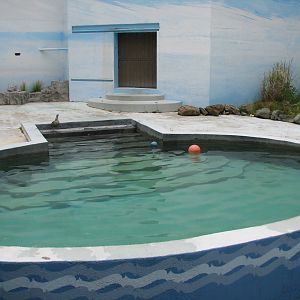
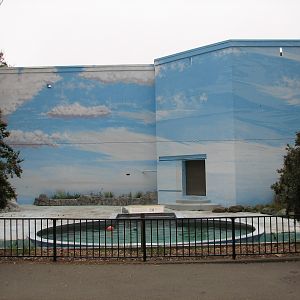
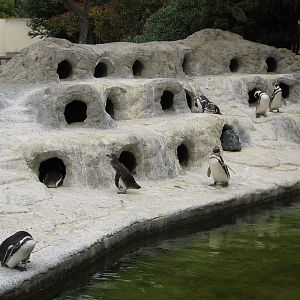
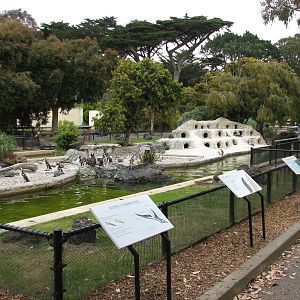
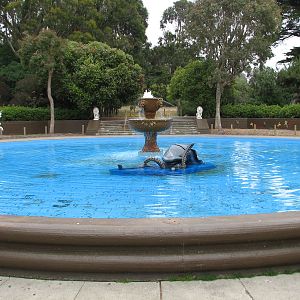
Orkney, the 42 year-old gray seal that had been at the zoo for over 3 decades, has died. Now I wonder what the zoo will do with this area of the zoo, which for the most part is terrible. A 24 year-old black rhino also died this week, and so other than a tapir and greater one-horned rhino exhibit what else is located in this zone?
Orkney, the 42 year-old gray seal that had been at the zoo for over 3 decades, has died. Now I wonder what the zoo will do with this area of the zoo, which for the most part is terrible. A 24 year-old black rhino also died this week, and so other than a tapir and greater one-horned rhino exhibit what else is located in this zone?
Hopefully nothing will replace the seal. I hope that maybe the plan is to start dismantling the bad parts of the zoo by attrition. The chimps apparently are very elderly and one hopes that when they pass that their exhibit will be dismantled, ditto the bears in the old grottoes.
Hopefully nothing will replace the seal. I hope that maybe the plan is to start dismantling the bad parts of the zoo by attrition. The chimps apparently are very elderly and one hopes that when they pass that their exhibit will be dismantled, ditto the bears in the old grottoes.
I quite agree that nothing should be put back into this awful grotto (originally built for hippos). However, I worry about a zoo where the strategy for the future is based on attrition. A few years ago the zoo was able to beat back a movement to become re-defined as a "rescue zoo," but it now seems to be becoming an even more static "hospice zoo" where old animals are given a place to die peacefully, with no other particular end in sight. This seems a far cry from the goal of becoming active centers of conservation driving the world's more progressive zoos.