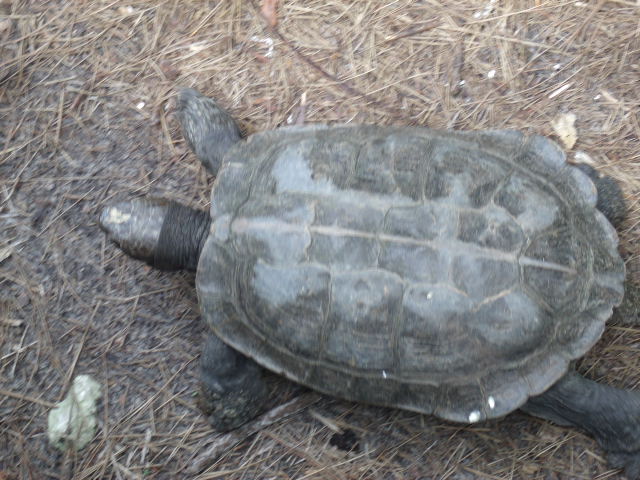
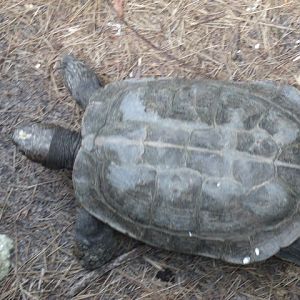
ThylacineAlive 20 Aug 2013 Gulo gulo said: That is not M. e. phayrei. Click to expand... Do you have any idea what it is then? I was just told that is might be a M. e. phayrei and changed it because no one had identified it yet. ~Thylo
Gulo gulo said: That is not M. e. phayrei. Click to expand... Do you have any idea what it is then? I was just told that is might be a M. e. phayrei and changed it because no one had identified it yet. ~Thylo
ThylacineAlive 20 Aug 2013 Kifaru Bwana said: You might as well put him out of his misery and tell him what it is. Click to expand... Are you guys purposely not telling me!? ~Thylo
Kifaru Bwana said: You might as well put him out of his misery and tell him what it is. Click to expand... Are you guys purposely not telling me!? ~Thylo
G G Gulo gulo 26 Aug 2013 ThylacineAlive said: Do you have any idea what it is then? I was just told that is might be a M. e. phayrei and changed it because no one had identified it yet. ~Thylo Click to expand... sorry, I've been on vacation. Heosemys grandis. cheers.
ThylacineAlive said: Do you have any idea what it is then? I was just told that is might be a M. e. phayrei and changed it because no one had identified it yet. ~Thylo Click to expand... sorry, I've been on vacation. Heosemys grandis. cheers.
ThylacineAlive 26 Aug 2013 Gulo gulo said: sorry, I've been on vacation. Heosemys grandis. cheers. Click to expand... Really? It didn't look like the other ones in the enclosure but perhaps that's because it was walking instead of laying down. ~Thylo
Gulo gulo said: sorry, I've been on vacation. Heosemys grandis. cheers. Click to expand... Really? It didn't look like the other ones in the enclosure but perhaps that's because it was walking instead of laying down. ~Thylo
devilfish 26 Aug 2013 I'd like to promote once more the helpfulness of some of the CITES ID guides. In situations like these (especially with endangered chelonians) they can be particularly useful. Here's a diagram of a H. grandis carapace: /Fauna/Reptilia///Heosemys grandis - drawing2.jpg And one of M. emys: /Fauna/Reptilia///Manouria emys - drawing2.jpg Given the choice of these two species, hopefully the ID should now be a bit more obvious. (A link to the remainder of the H. grandis manual: CITES Wiki Species Identification Manual > Identification Manual)
I'd like to promote once more the helpfulness of some of the CITES ID guides. In situations like these (especially with endangered chelonians) they can be particularly useful. Here's a diagram of a H. grandis carapace: /Fauna/Reptilia///Heosemys grandis - drawing2.jpg And one of M. emys: /Fauna/Reptilia///Manouria emys - drawing2.jpg Given the choice of these two species, hopefully the ID should now be a bit more obvious. (A link to the remainder of the H. grandis manual: CITES Wiki Species Identification Manual > Identification Manual)