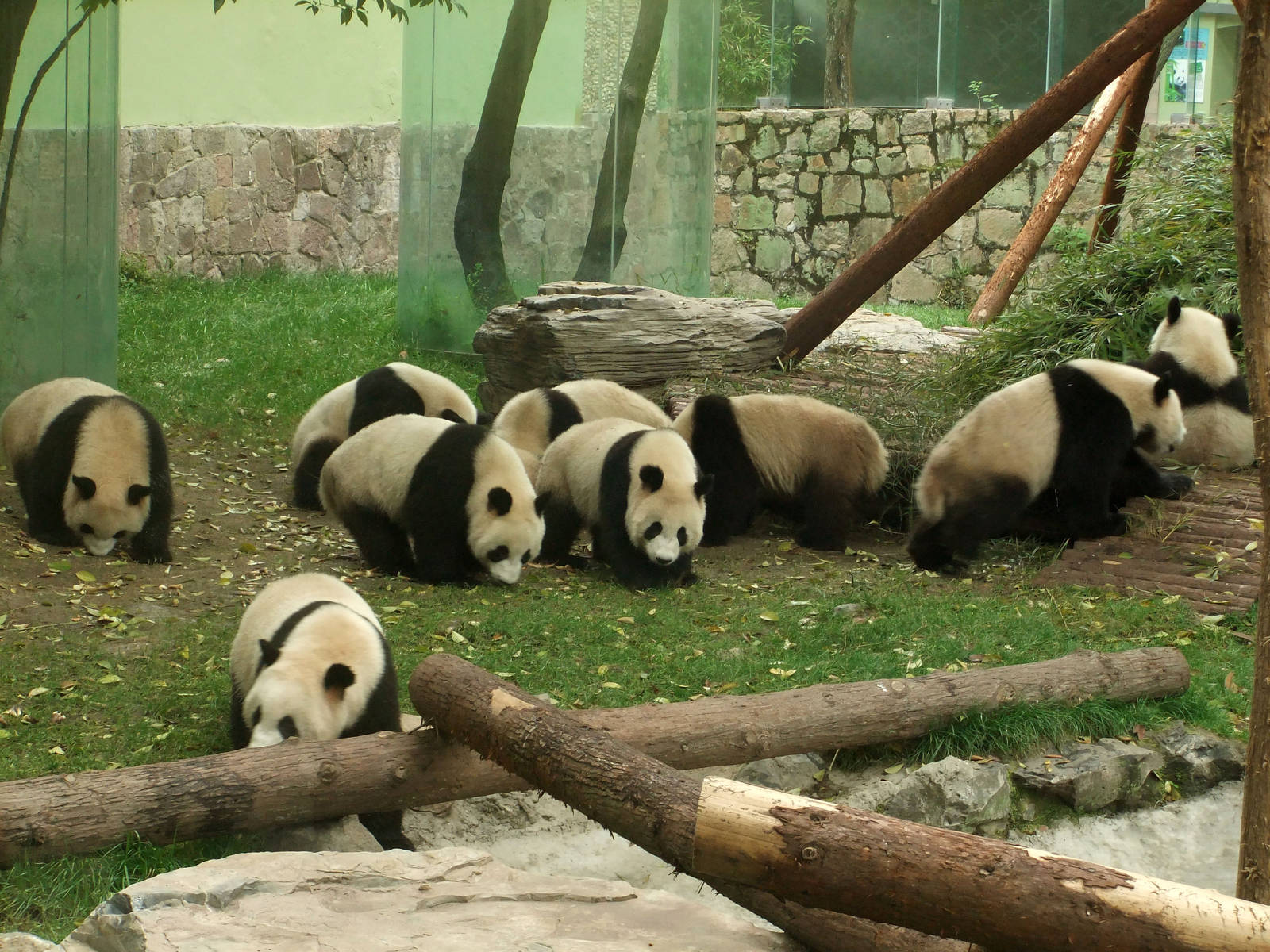
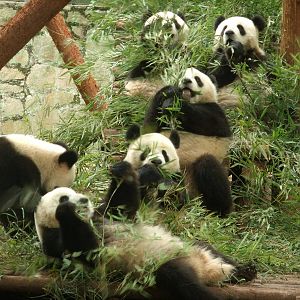
Seeing this number of young Giant Pandas together does make me wonder how much longer the Chinese can carry on demanding premium rates for foreign zoos seeking the species.
Price is determined by the relationship between supply and demand, after all.
Seeing this number of young Giant Pandas together does make me wonder how much longer the Chinese can carry on demanding premium rates for foreign zoos seeking the species.
Price is determined by the relationship between supply and demand, after all.
And if zoos are still willing to pay £1 million a year for them, why would the Chinese lower this price?
Yes they have more pandas, but with the current demand and the fact some zoos are willing to pay they could make £9 million instead of lowering the price and keeping their profits at the same level.
It would be interesting to know just how many zoos currently without the species would be willing to shell out loads of money at the moment.
Adelaide and Edinburgh are not in exactly rude financial health, and Europe's present issues would suggest that any Eurozone collection dependent upon public funding is not going to be able to offer a particularly attractive deal.
There is a limit to how far you can aim to maximise profit in what is after all a bear market (a pun that I know I should have tried to resist )
I do believe that Adelaide weren't as bad as they are now, the pandas were a major contribution to their predicament! I'm sure that it's mentioned in one of the Edinburgh threads.
Eight young Giant Pandas, at precisely the age when they're at their most active and the biggest draw, in one exhibit, does rather suggest to me that the Chinese authorities are having difficulty in getting overseas "buyers". And I speak as a father of two who would love the species back at London, a lot easier to get to than either Beauval or Edinburgh.