Chlidonias

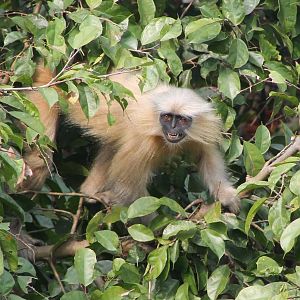
Golden Langur (Trachypithecus geei) -- on the edge of extinction

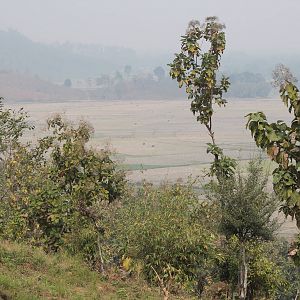
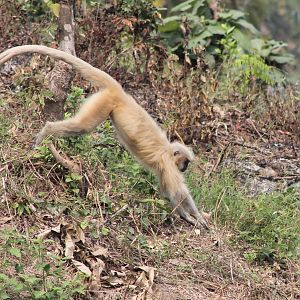
at Kakoijana village near Manas National Park, Assam, March 2014. This is the same male shown running in a couple of the other photos (here he is in the small tree at bottom left).

I don't know if it comes across that well in the photo, but where the langurs are is in an orchard by the village, and in the background is just fields. The langur is almost literally sitting at the edge of his existence (hence my title). They are living on what amounts to a really big hill covered in forest but surrounded by fields.
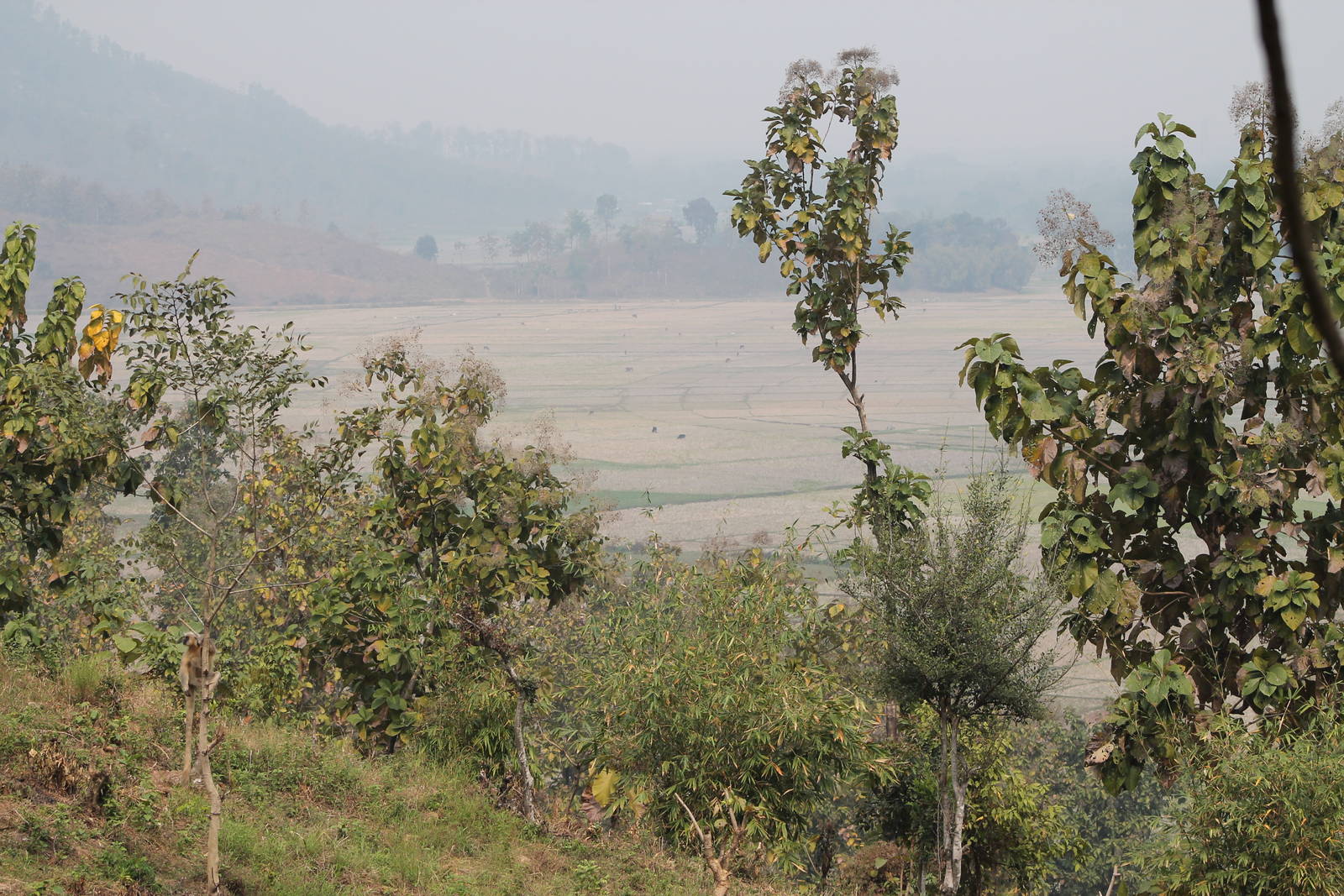
at Kakoijana village near Manas National Park, Assam, March 2014. This is the same male shown running in a couple of the other photos (here he is in the small tree at bottom left).

I don\'t know if it comes across that well in the photo, but where the langurs are is in an orchard by the village, and in the background is just fields. The langur is almost literally sitting at the edge of his existence (hence my title). They are living on what amounts to a really big hill covered in forest but surrounded by fields.
 
I can't see him...:(

I know things look bad when you see cultivation close-up against a pocket of forest but have these Monkeys actually declined since they were first described by Gee- or have they maintained their numbers, I wonder? Ordinary Grey Langurs are a very adaptable species and I'd expect these to be similar.

Next question- where are the Kaziranga piccies?- I'm still waiting...!!:D
 
look at the bottom left of the photo and there is a small pale-brown tree trunk coming up from the bottom of the frame. The langur is sitting in that tree (it is the same colour as the trunk, tail hanging down on the left side of the trunk, and it has its face turned to the left).

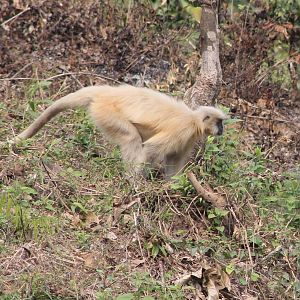
The golden langurs are inhabitants of open woodland, not proper forest, and they are quite active on the ground. I think they are most closely related to the capped langurs which have similar habits. That is why they can survive in disrupted habitats such as around cultivation. However they can't survive in pure open fields (as seen in the distance here). As the open fields encroach more on the forested areas the available "good" habitat obviously diminishes. They are adaptable, and numbers may have remained stable since Gee's day, I don't know, but I think they are becoming separated into pockets as is the case with many animal species around the world. The grey langurs are much more terrestrial and can survive in more open and arid areas, as well as in cities and so forth, so aren't as good a comparison as the capped langurs.

There will be more Indian photos eventually......
 

Media information

Category
India - Wildlife
Added by
Chlidonias
Date added
View count
1,885
Comment count
6
Rating
0.00 star(s) 0 ratings

Share this media

Back
Top