Glad you saw these! I was going to ask on your thread after you said: " I feel like I missed out on seeing a lot of species which should have been there" and that much of the zoo was closed/empty. Apart from the reptile house, I don't think you actually missed much at all.
Glad you saw these! I was going to ask on your thread after you said: " I feel like I missed out on seeing a lot of species which should have been there" and that much of the zoo was closed/empty. Apart from the reptile house, I don't think you actually missed much at all.
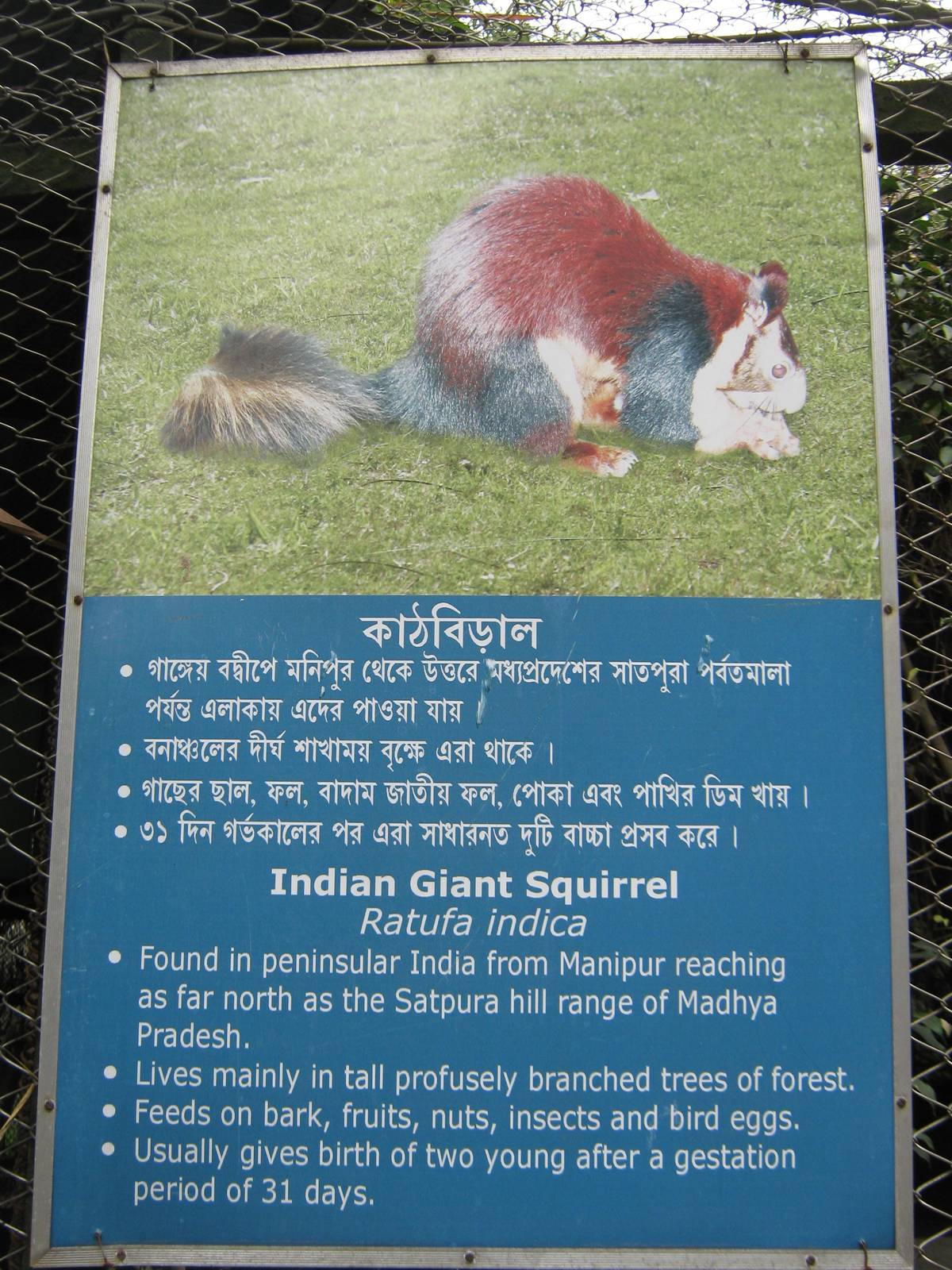
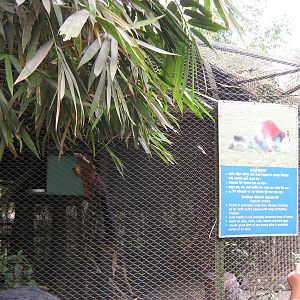
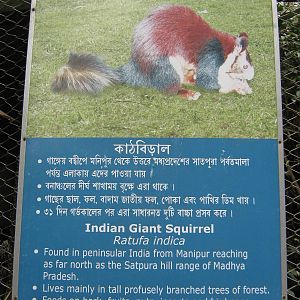
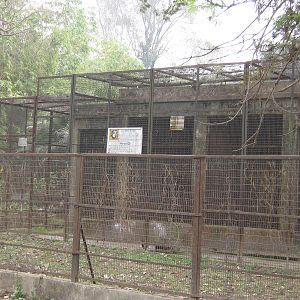
I actually completely forgot about the squirrel when writing the review -- and it was the only new mammal for me there (apart for the grey langurs)! I think it must have been because while the squirrel itself was great, the cage was quite dark and thus not memorable (although it was certainly larger than those given to Ratufa in most Asian zoos!).
On the review thread I have added a list of the few species which I did miss according to the inventory on the CZA site.
is that the Sri Lankan one you've seen (R. macroura)? I'm pretty sure that the Ratufa species which used to be one of the standard animals of all the small 1970s UK zoos was the Malabar squirrel (which is R. indica, the same as the one this sign is for). Then India banned their export and they all disappeared from the UK because no-one was breeding them.
I really like Ratufa myself (although I like all squirrels really). I've seen two species wild (bicolor and affinis) and three in captivity (bicolor again, as well as macroura and now indica). Annoyingly I am not going to see indica in the wild this time round because the species in Assam is bicolor.
I'm pretty sure that the Ratufa species which used to be one of the standard animals of all the small 1970s UK zoos was the Malabar squirrel (which is R. indica, the same as the one this sign is for). Then India banned their export and they all disappeared from the UK because no-one was breeding them.
It was, they were usually called 'Malabar Giant squirrel' and you are also correct that they have all but disappeared now. I seem to remember seeing them in Southern India?.
It was, they were usually called 'Malabar Giant squirrel' and you are also correct that they have all but disappeared now. I seem to remember seeing them in Southern India?.
is that the Sri Lankan one you've seen (R. macroura)? I'm pretty sure that the Ratufa species which used to be one of the standard animals of all the small 1970s UK zoos was the Malabar squirrel (which is R. indica, the same as the one this sign is for). Then India banned their export and they all disappeared from the UK because no-one was breeding them.
Correct - and if I am fortunate when on my trip to Germany I shall see it again before too long
As well as the large numbers of R.indica, there were smaller populations of R.affinis and R.bicolor in the UK up until the late 1980s. Of the four species mentioned, only macroura and bicolor remain in Europe.