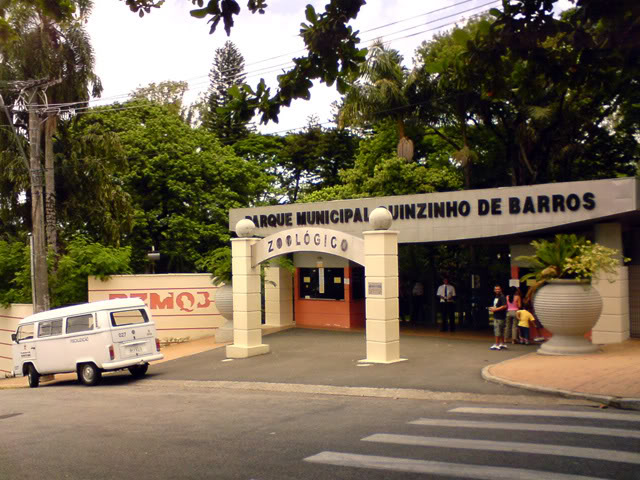
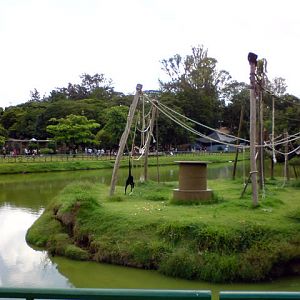
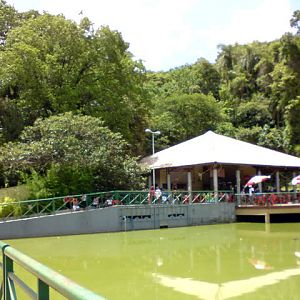
I have not heard of this zoo - thank you for posting. Based on your photos, it appears to be pretty good (not great, but not bad either, except for having a lone chimp). Do they have any small cats, especially pampas cat?
I have not heard of this zoo - thank you for posting. Based on your photos, it appears to be pretty good (not great, but not bad either, except for having a lone chimp). Do they have any small cats, especially pampas cat?
Thanks! 20 oncillas? Do they have any black/melanistic oncillas? (I read a report a few years ago about a wildlife rescue center in Brazil that had gotten a melanistic oncilla, which was the first I had heard of that species being melanistic also).
Thanks! 20 oncillas? Do they have any black/melanistic oncillas? (I read a report a few years ago about a wildlife rescue center in Brazil that had gotten a melanistic oncilla, which was the first I had heard of that species being melanistic also).
I have a clear bias , but I would say that Sorocaba zoo is certainly among both the best zoos in Brazil and Latin America in general. If more funding was secured then I have absolutely no doubt that Sorocaba would be up there with both Chapultepec in Mexico and the Cali Zoo in Colombia. In terms of the spirit and ethos of the zoo and what is achieved despite the great difficulties perhaps it is in the top 5 Latin American zoos.
In terms of native cat species currently there are on display to the public:
Big cats: 2 Jaguar (neither is melanistic) and 3 Puma
There are several margay and Jaguarundi and the odd ocelot that are kept behind the scenes which have been brought in by the public having been injured either by people , dogs, or in road accidents etc. In most cases a lot of effort from the excellent veterinary team goes into treating , rehabilitating and eventually releasing these back into the wild but some sadly due to the extent of their injuries are given a permanent home.
One of the difficulties at the zoo is that as surrounding Atlantic rainforest and Cerrado habitat gets swallowed up by human development injured wild animals (Giant anteater, maned wolves , howler monkeys , grisons , deer and tapir ) are constantly being brought in by the public and end up taking up more space than is available , so it is very hard to strike a balance.
As mentioned on my comment on the picture of the former chimp enclosure , the situation with the chimpanzee was no fault of the zoo's and rather the result of an ageing population of animals that gradually got smaller until only one was left. Personally I would rather that Black (the elderly chimp now in the "sanctuary") had lived out his days at the zoo but sadly things turned out very differently.