Synthetic taxidermy, more commonly called "Wildlife Re-Creations" is defined as creating ultra-realistic figures of animals without using any natural remains of the species depicted. Mammals are usually done with some type of synthetic hair or human hair or crepe wool. Herps and fish are done with resin compounds like epoxy. Birds are done usually with real feathers, but not from the bird dipicted. So for example, a bald eagle is done with turkey and chicken feathers.
The World Taxidermy Competition has a category for this type of artwork. I took top honors in 1988 and 1992 for this artwork.
This work however, has never broken out into mainstream wildlife art as a viable commercial endeavor. People who do it do so just for the love of animals, and art.
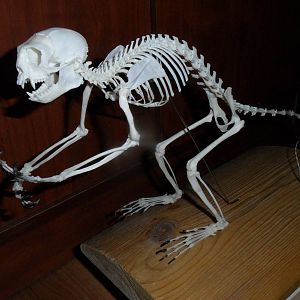
My hominid figures are still there, as part of a permanent exhibit on human origins. They were originally done for a special traveling exhibit, "Faces on Fossils", and then transitioned into the current permanent exhibit.
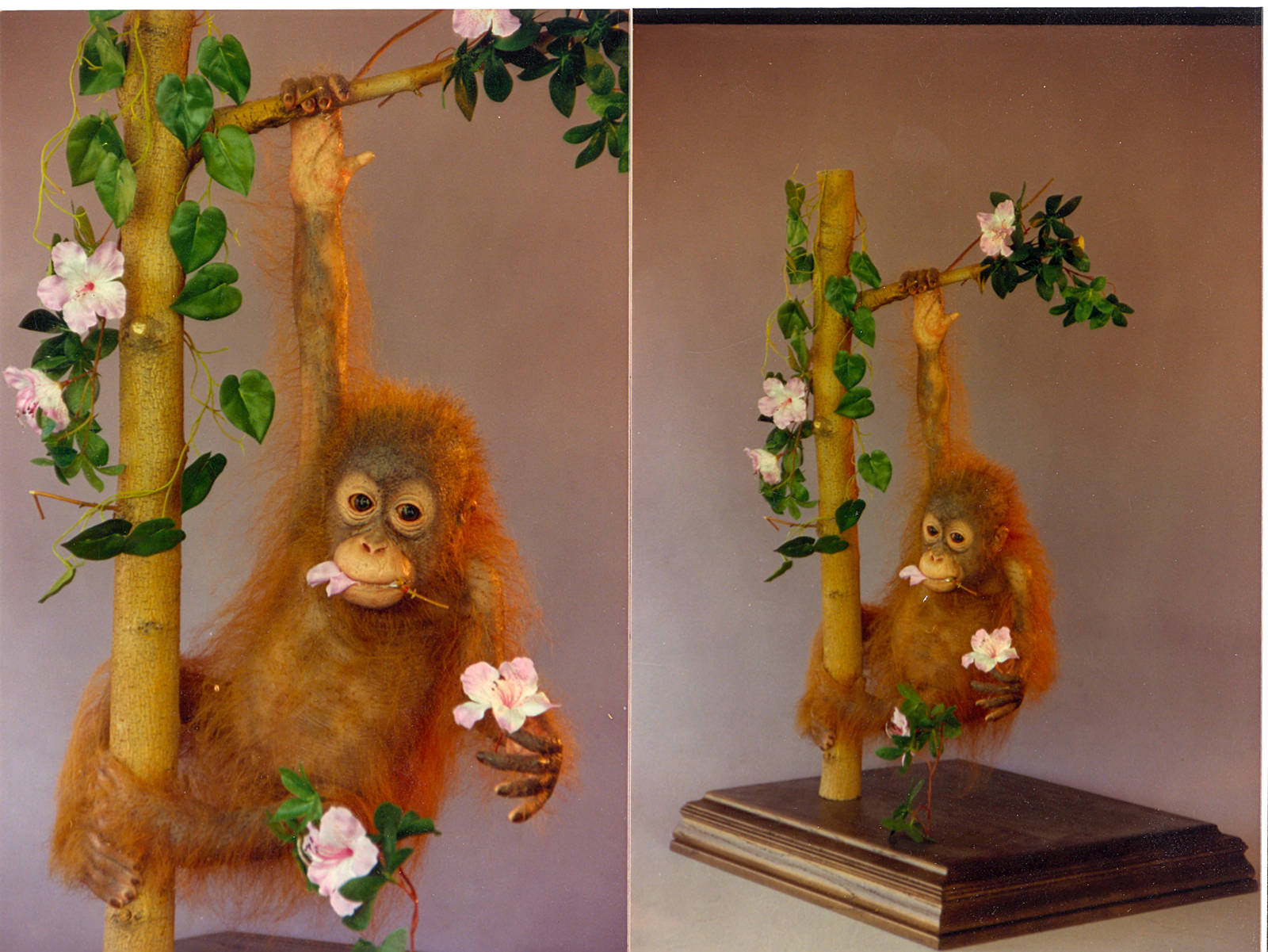
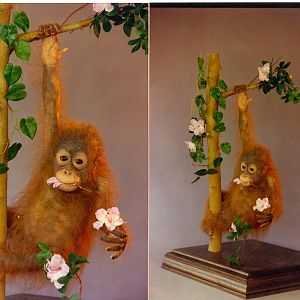
The staff of the Los Angeles Zoo asked me to bring them in for inspection when I submitted photos and asked to exhibit at their wildlife art show. They seriously worried they were real animal hides. But the baby Orang, for example, is just a rubber latex skin cast with a flexible polyfoam fill, and on close inspection, it is obvious that it's not a real animal hide.
So yes, the suspicion does arise, but inspection of the actual physical piece of art will verify it is not a real animal hide. No DNA tests needed.
Some people have used real hides though (I don't, but know others who have), usually to create prehistoric animal figures. For example, I've seen bald eagles done with complete goose wings, taxidermied. (Just realized this implies a bald eagle is pre-historic, when it's a contemporary existing bird. I was thinking of a megaloceros I saw made with elk hides)
The model looks very convincing. It's fairly easy to distinguish it from a real one though by checking for subtle pores & wrinkles at skin and hair texture (artificial fur always feels 'plushy').
Nevertheless, the possibility of creating such realistic replicas doesn't excuse merciless incineration of captive-dead animals, orangs included, often without offering to scientific institutions and even without necropsy...
The only benefit of synthetics over the real taxidermy mounts is that they don't require any permits to be owned or traded...
Speaking of realism, the best replicas are produced from smooth-skinned animals via carcass casting. This is possible with arthropods (only large enough!), fishes, amphibians, reptiles and such mammals as cetaceans or 'pachyderms'. For example, National museum of Scotland has the complete cast of African elephant calf that died at Knowsley Safari park previously.