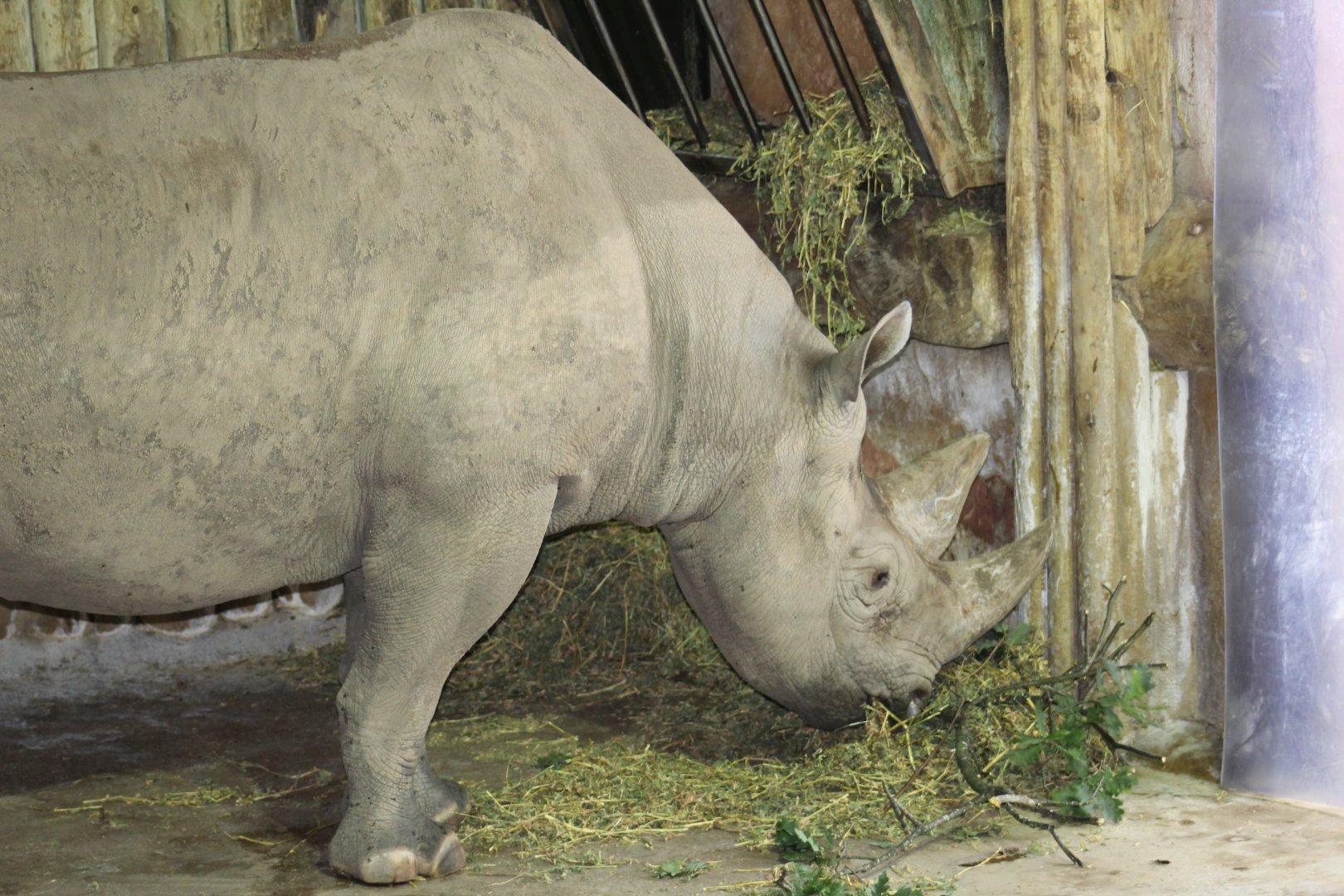
@sooty mangabey It's not a catastrophe, but probably their black rhinos are full of excess iron - their kidneys, livers, intestines, placentas (in pregnant females).... becomes friable because of accumulated iron.
@TeaLovingDave Why not when dealing with so precious species! I suppose 2,000 trees would be enough to sustain one adult black rhino! - Not an expensive project, because the zoo can already use trees in it's own periphery?
Why you are just joking, when that is the fact supported from research. Anyway it can be just better for the black rhinos, not worse, giving them exclusively browse diet, as they will eat in the wild... The basic welfare need - giving of trully appropriate diet would be satisified, in the 21st century and in the developed UK.
It fascinates me that you seem to believe you understand the husbandry and welfare needs of a species better than the studbook holder for said taxon
For the record, I believe that captive black rhinoceros have been found to significantly benefit from supplements of tannin and vitamin E, both of which have an iron-chelation effect, and strongly suspect those at Chester and other European collections will be given such supplements.
@TeaLovingDave I don't believe that tannins can prevent absorbing of all iron from grass/legumes. Vitamin E must be given anyway; it also keeps from oxidative damage of cells initiated by the iron.
Don't you think that simply giving exclusively browse diet (again as they will eat in the wilderness) is better than supplementing with tannines, wich are not 100% effective, I suspect that they are even 10% effective in chelating at least 10% of the iron from the ingesta. Plus browse contain tannins. But this seems that is almost useless discussion when no zoo actually read this. Would end here. If I ever manage to keep black rhinos, I would give them/try to afford them, exclusively browse diet.
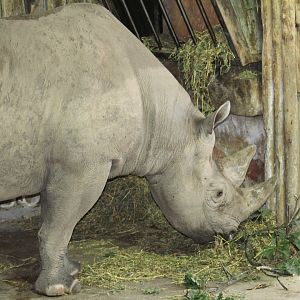
You're ignoring two crucial details: these rhinos do not live in Africa and the browse they may get will most likely not be the same browse that grows in Africa. These are captive-born and raised animals living in a completely different climate to where their wild cousins live. They're eating completely different food. It's ignorant to assume that all the zoos in Europe have ignored studies showing that grass/legumes lead to a build up on Iron in the animal's bodies. I'm sure Chester of all places know this and have carefully constructed their diets appropriately. This is one photo, how do you know that these rhinos don't eat hay once in a blue moon and then get browse the rest of the time?
As stated before Chester is the studbook holder for this species and breeds them better than anyone else. Rest assured that they no doubt know exactly what they're doing with them and, at the very least, know more than you do. No offense intended, but I've heard a lot about Chester's mammal curator and he wouldn't let just any keeper care for his rhinos.
Worth adding a slight qualifier to the above statement; Chester has bred the species most in recent years but not in total, a title still held by the Aspinall collections.