I totally get your point, snowleopard. I have commented on this exhibit several times here at ZooChat. It is actually one of my first zoo memories - I saw it for the first time as a child in the 1960s. It looked like a giant mountain to me then.
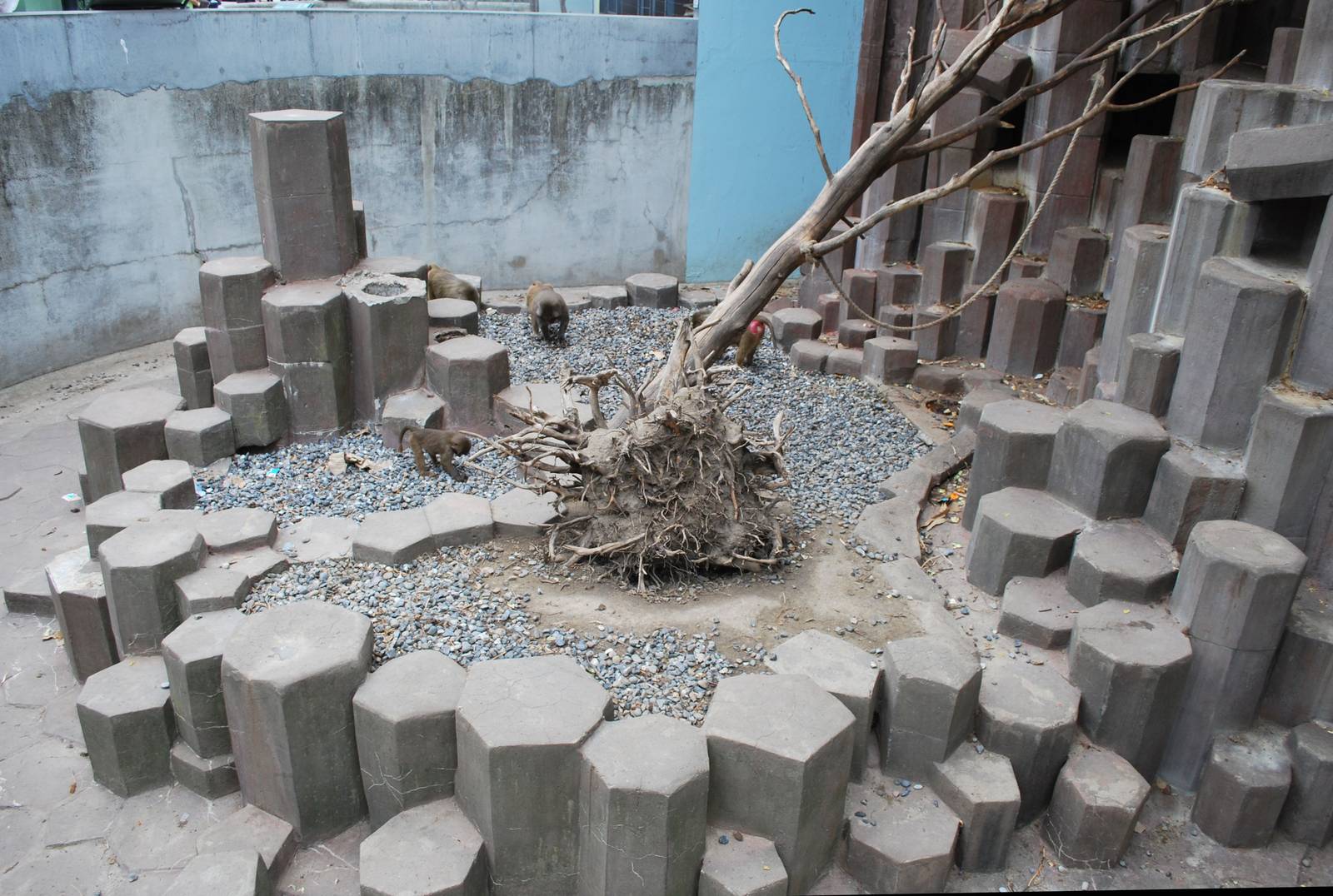
But then again - and this will probably surprise you - I must say that the animals appear to be pretty happy in this enclosure. They are extremely active and I have never noticed anything that have made me worry about their welfare. Sure - a much larger and more naturalistic enclosure would be very nice. But there are some more seroius issues for the zoo to take care of. I am very much looking forward to the new polar bear exhibit that, in its turn, will mean that the brown bears also get much improved conditions.
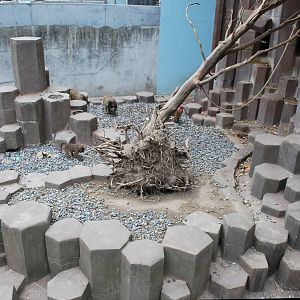
I am affraid that I don't get your point snowleopard. This is a fine baboon exhibit for a group of the size it holds. The indoor exhibit is actually way better than the indoor exhibits of most zoos with hamadryas baboons. The rock formations have many small holes in them and many of the baboons choose to sleep out at night in these. The gravel in the bottom is used as a feeding area where the baboons sometimes gets to hunt for live mealworms.
The exhibit opened in 1928 and there are no current plans to move the baboons out of this exhibit. The baboons in Copenhagen make up a healthy and lively group.
By the way... "...and now for something completely different" as they put it on Monty Python´s Flying Circus:
One of my first posts here on ZooChat was on the subject on "surplus animals" (and the killing of them). Actually I did not know of the phrase "surplus animals" until I joined the site, but I had a hunch of the concept as such.
And I can´t help but to think of this subject when I watch this very exhibit, year after year after year. There is always ONE big dominant male, a few grown-up females and a lot of babies!
What actually happens to all those babies as they grow up - particularily the male ones?
I would be genuinely grateful if anyone of you professionals here at the site gave me a straight forward answer to this question.
@Toddy: we do occasionally have our different opinions on ZooChat, but it is always a pleasure to hear from you and I can see your point of view. However, if the Hamadryas baboons were taken out of their deep concrete pit, and the bizarre concrete formations were replaced with grass, leaves, trees and other foliage wouldn't there be even more natural behaviours from the primates?