M

South american giant aviary

  • Media owner Maxime
  • Date added
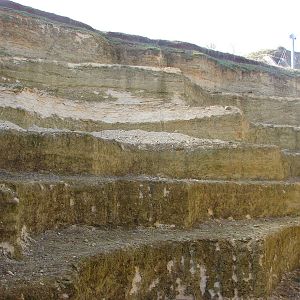
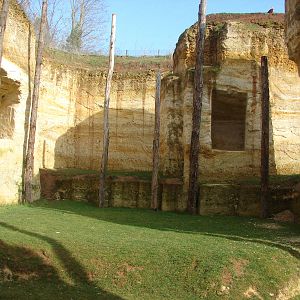
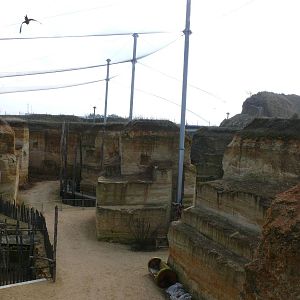
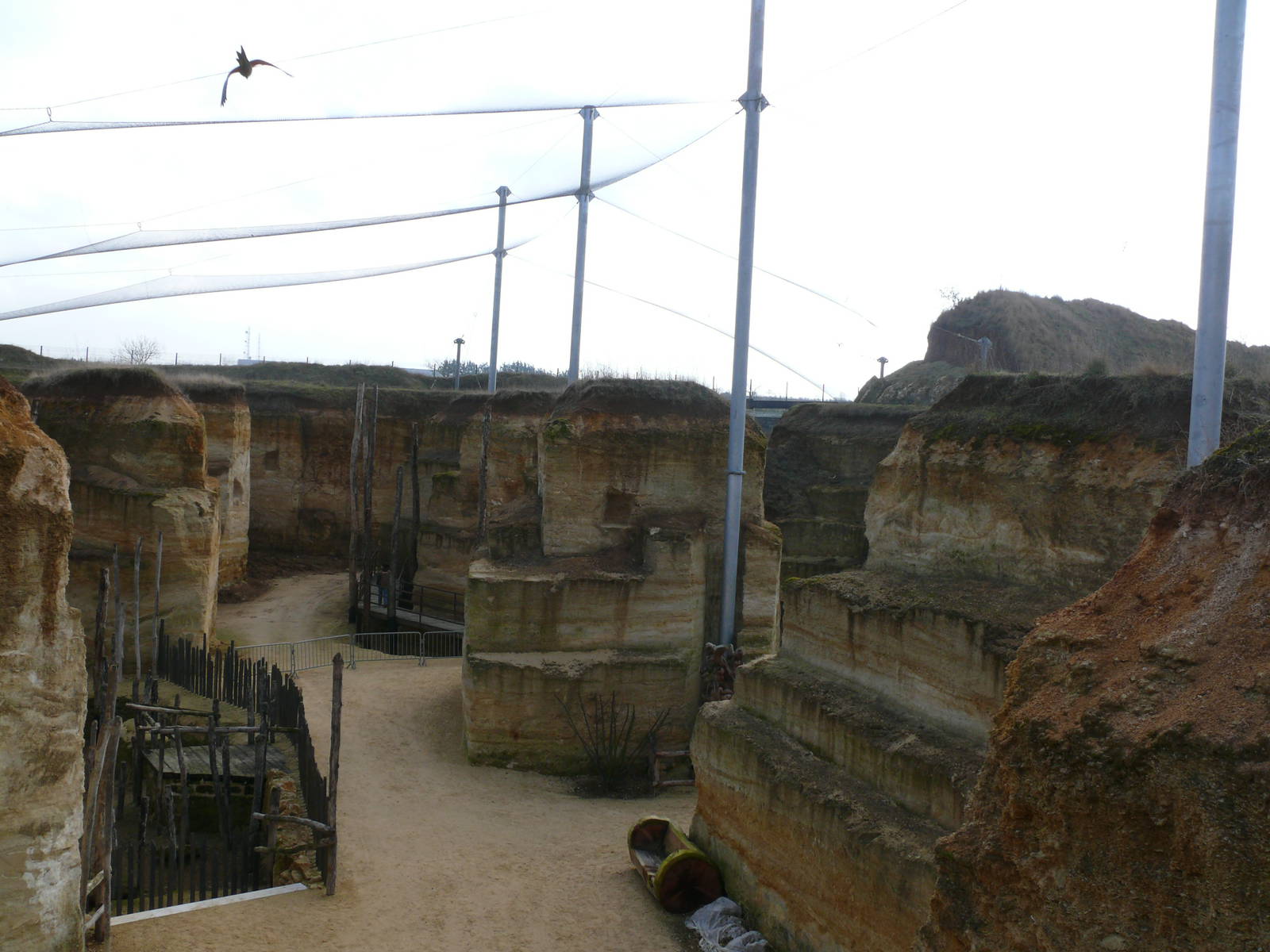
In 2009, the Bioparc de Doué la Fontaine opened one of the biggest south-american aviaries in Europe. Located in the midst of a rock-career, this complex wants to be a reconstitution of the brasilian careers where eat and nest the macaws.
Surface : 10 000 m²
Volume: 110 000 m3
Net : 6 metal studs
Height : 20 m
Cost : 1 000 000 €

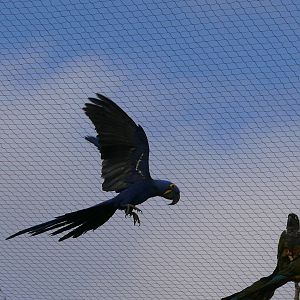
Visitors can enter in this giant walkthrough aviary and walk between the rocks to see flying more than 300 south-american birds.

Species' list :

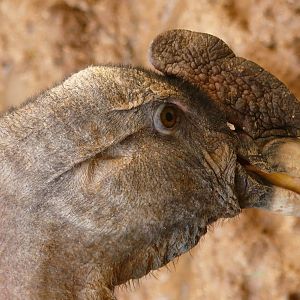
Andean condor,
Turkey vulture,
Green-winged macaw,
Red-fronted macaw,
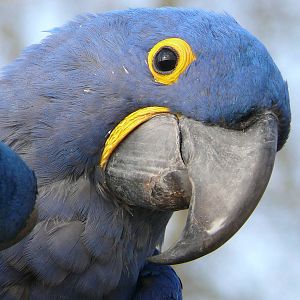
Hyacinth'Macaw,
Military Macaw,
Blue-fronted amazon,
Patagonian conure (Subspecie : C, patagonus bloxami),
Inca tern,
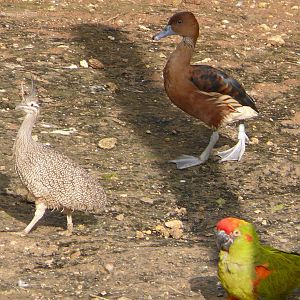
Elegant crested tinamou,
Souther lawping,
Black necked stilt,
Southern screamer,
Black faced ibis,
Scarlet ibis,
Chilian flamingo,
Roseate spoonbill,
Ringed teal,
Chiloe wigeon,
Fulvous duck,

Inside the aviary, a grassy exhibit is the home of giant anteaters.

In 2011, peruvian pelicans will come in the aviary and a waterffall with natural pool will be create to welcome humboldt's penguins.
  • Like
Reactions: cornu aspersum
Just been through all the photos of the exhibit. I have to say, a bit of additional planting to soften the edges and I think this would look superb. There do seem to be a few bit of plant life here and there, hopefully this will increase a bit over time. The major problem is the sheer brownness of it. It is a bit of an odd mix of species but no crime there.


And credit to Doue for trying something different!
 
Has anyone visited since the penguins were added, or is their exhibit still unfinished?
 
The penguins will move to the aviary next year ! Peruvian pelicans will come too, and probably different other species.

Here is a picture of the future penguins pool :

 
I know this relates to old comments and the exhibit probably has changed since the photos were taken, but there are no exclusive rainforest species in the species list. This includes the macaws: Green-winged macaw (found in rainforest, but a large part, approx. 1/4 of its total natural range, is in the open and semi-open cerrado), red-fronted macaw (strictly in arid, open and semi-open rocky habitats), hyacinth macaw (cerrado and other open and semi-open habitats) and military macaw (typically in woodland, ranging from dense to fairly open, in mountainous regions). These four macaw species also frequently roost and nest on cliffs in the wild.
So, while some vegetation would be required to replicate the natural habitat such as rocky cerrado, a few scattered trees in addition to low vegetation would suffice.

Nevertheless, I can't help but wonder about the Andean condors. They can be unpleasant towards other animals and are certainly powerful enough to kill all the other bird species on the list if given the chance. Additionally, the Andean condor and turkey vulture have been known to raid seabird colonies in the wild. AZA recommends not mixing the Andean condor with others. Perhaps the large size of the aviary prevents serious conflicts and they keep the condors/vultures well-fed to avoid "unfortunate" visits to possible breeding penguins, flamingos, etc?
 

Media information

Category
Bioparc Zoo de Doué la Fontaine
Added by
Maxime
Date added
View count
6,451
Comment count
14
Rating
0.00 star(s) 0 ratings

Share this media

Back
Top