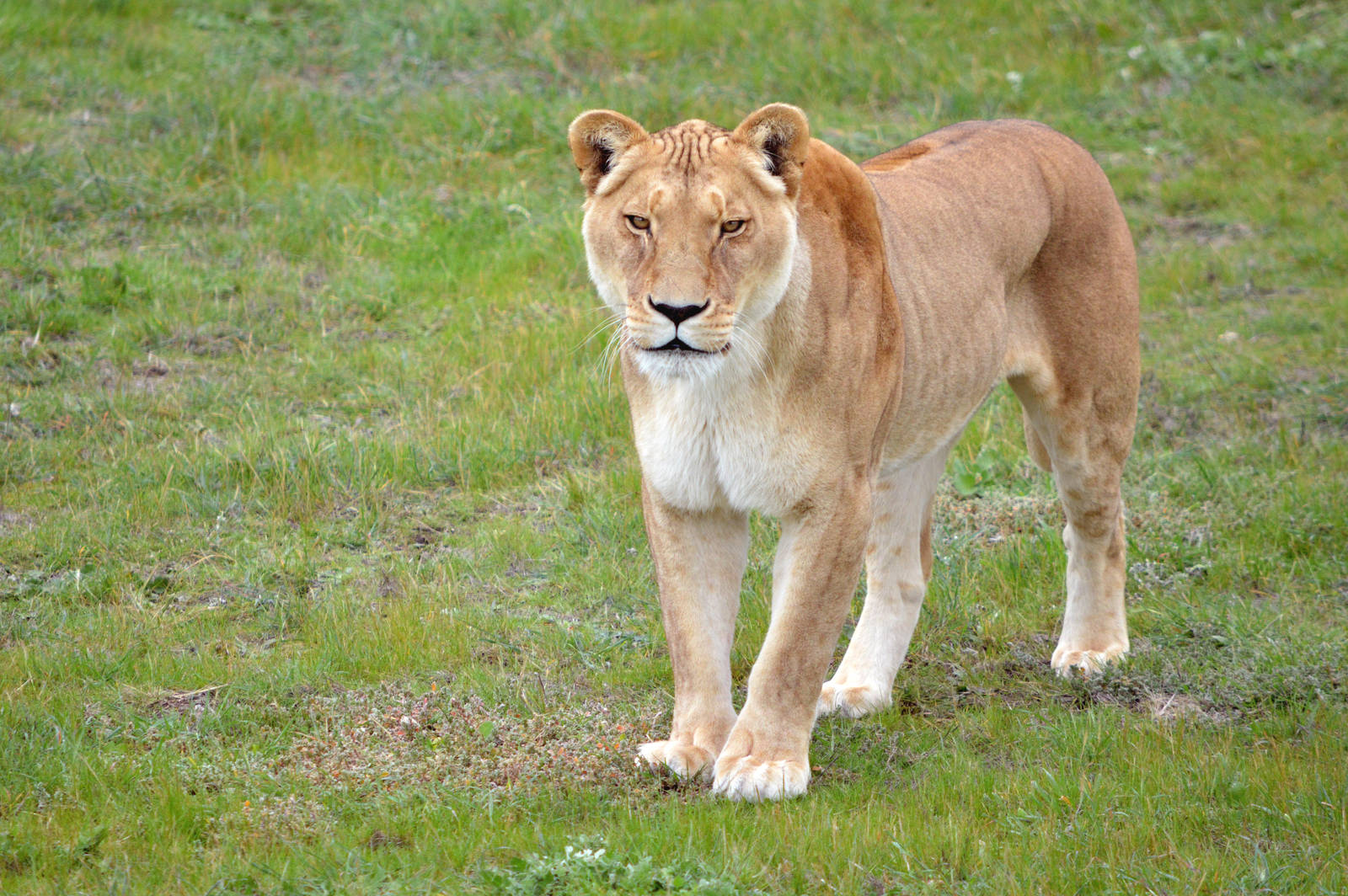
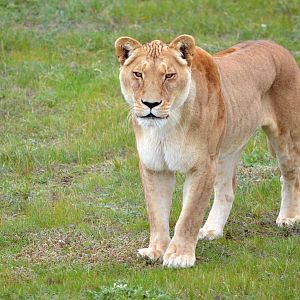
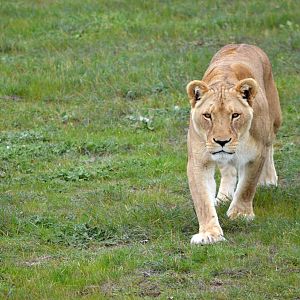
@marmolady Awesome photo of Kibira (now sadly deceased). She must take after he father's side as she looks very little like Kura (especially compared to Zalika who looks very much like her mother and grandmother).
@Tafin No Kibira never bred. Although there was a total of four successful litters (and a fifth unsuccessful litter); and they could have indeed let each of the four lionesses have a litter, it was simpler to breed from two lionesses. This meant the two on contraception could remain on contraception and the hierarchy would be unaffected.
Kiamba was likely chosen to breed as genetically, she was from a different paternal line (the other three were sired by the same male). Having litters helped to balance out the fact she was the lowest ranking as an outsider (the other three grew up together). I don’t know whether that was a contributing reason; or an unintended consequence.
Tiombe was the alpha female, so it was important she bred again along with Kiamba in 2013. I don’t know if she was the alpha female from the start as her name means ‘shy’; whereas Kibira had a more ferocious personality; and was Zalika older (and the largest until they reached maturity). I’d guess Tiombe and Kibira were given preference over Zalika for breeding as they were daughters of a founder (Zalika was a granddaughter of that same founder); and from there, they chose the most amenable lioness to work with (Tiombe). Having the first (surviving) litter in the pride in 2007 helped establish Tiombe as the alpha female.
@Tafin Kiamba had a litter of four (dead) cubs removed via caesarian in 2007; and yes, she had two further litters of 0.1 in 2011 and 1.1 in 2013. Synchronising the births of Tiombe and Kiamba's litters was to replicate the wild social organisation of a pride. Auckland Zoo did this when they last bred in 2001 (Kura/Sheeka) and 2004 (Kura/Amira). I'm surprised Werribee Open Range Zoo never did this with their two lionesses.