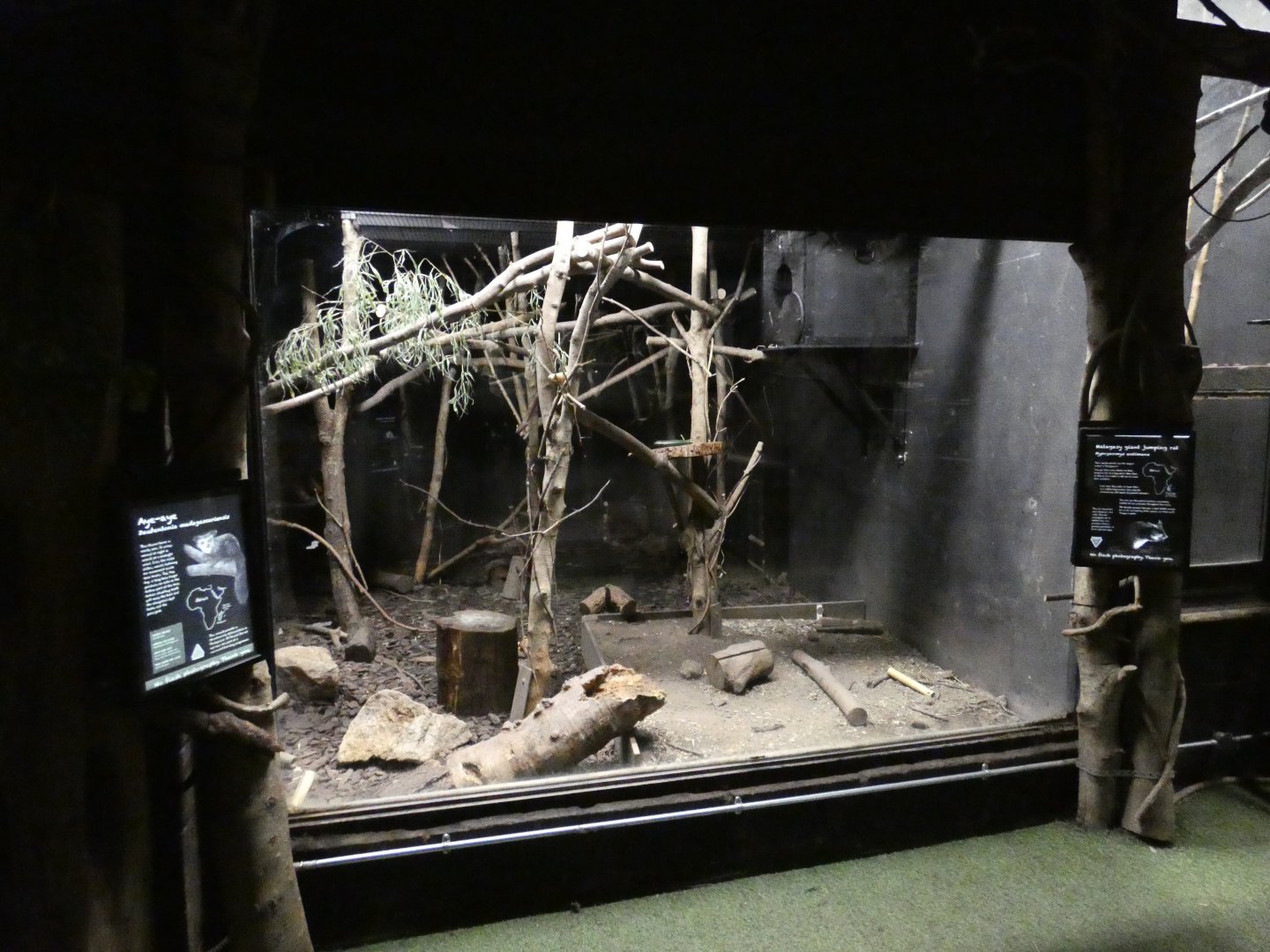
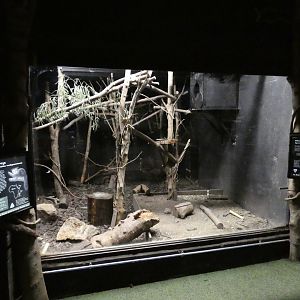
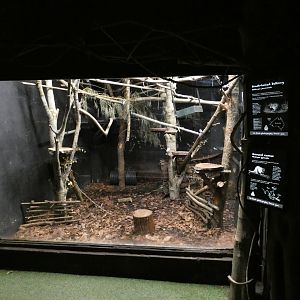
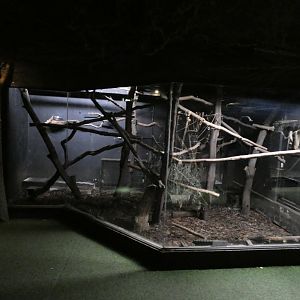
Interesting. I can't say that I have seen or heard of such a mixed exhibit? It makes perfect sense from a geographic standpoint, but how is it working out so far?
@Andrew Swales thank you for sharing this. If you don't mind my asking, do you personally know of any cases in zoos where rodents passed Yersiniosis on to primates?
Very true! I suppose time will tell in this case considering both species are high-priority for breeding in European collections, one hopes things continue to go smoothly.
Yes - in the early 80s we ourselves lost a whole family group of 8 Weddell's Tamarins to this disease in rapid succession. After considerable exhaustive investigation we traced the same strain to a group of Mara housed hundreds of metres away on a different section. We never proved it but had to assume it had been carried on human feet or clothing. The Mara were never visually affected, but were immediately phased out. We have never had an instance since, and would never house primates with rodents.
At the same time, the two largest primate collections in the UK had considerable problems with this disease. I knew the owners and managers of both. One collection was very advanced in the production of a vaccine to cover the strain found on their premises. This was produced by deliberately placing 'clean' laboratory guinea pigs in the monkey enclosures. Blood was then taken from the cavies to start the production process. I don't think that an effective vaccine was ever produced, but the link between rodents and primates is well proven.
Rodents are also implicated in Pox virus infection, especially CowPox which is a serious issue in felids and primates, but has also affected many other spp including anteaters.