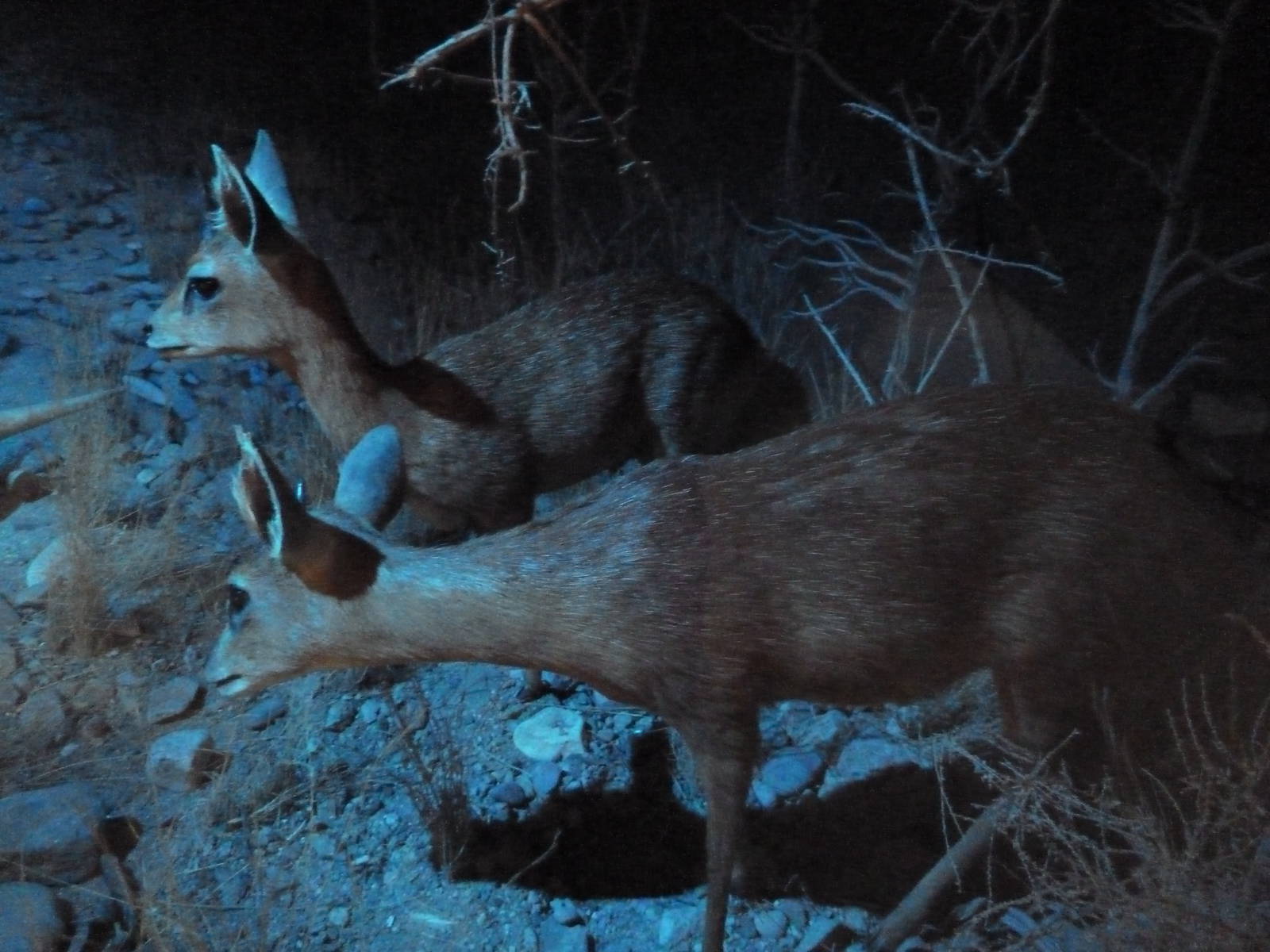
The Cape grysbok (Raphicerus melanotis) is 1 of 5 species in the genus Raphicerus, the other 5 include the following
Steenbok (Raphicerus campestris)
Sharpes grysbok (Raphicerus sharpei)
Limpopo grysbok (Raphicerus colonicus)
And
Raphicerus paralius which is extinct and lived during the lower Pliocene
It seems that Steenbok are the only Raphicerus spp. currently in captivity outside of Africa. Bronx Zoo got their first Steenbok (Raphicerus campestris) in 1940, a Grysbok also came in that same shipment, but I dont know which species of Grysbok they got, from what I was reading in The Management of Wild Mammals in Csptivity by Lee S Crandall, the only one that lived past 5 weeks was the Grysbok, which is ironic because as i have said above, Steenbok are the only Raphicerus spp. in captivity outside of Africa, and there are a decent amount of Steenbok (Raphicerus campestris) specimens in captivity in the United States, most of which so far have lived much longer than 5 weeks, and on top of that, there are no grysbok in captivity outside of Africa, and both species arent even all that common in captivity in their own home range. With historical holdings of Cape grysbok (Raphicerus melanotis) in captivity, outside of Africa I only know of two places having kept them and both being in the United Kingdom, those places were London Zoo and Knowsley Safari Park. With Sharpes grysbok (Raphicerus sharpei) I dont know of 1 historical holding for this species inside or outside of its home range. With historical holdings of Steenbok (Raphicerus campestris) in captivity outside their home range, I know of 4 in Europe which are Paris Zoo, Tierpark Hagenbeck, Berlin Zoo, and London Zoo, they also had Steenbok (Raphicerus campestris) at Singapore Zoo in 1993, and besides Bronx Zoo, I only know of 2 other past United States holdings those being Busch Gardens Tampa and Lowry Park Zoo.
What I wonder is why Grysbok have never really been common in captivity, the ones that are in captivity in their home range seem to be doing well, I would imagine that their husbandry might be similar to that of Steenbok, Dik diks, Duikers, or Suni (which seem to have done quite well in captivity), what is it about Raphicerus spp. that makes it so they are extremely rare in captivity ?, I am very curious to know more!