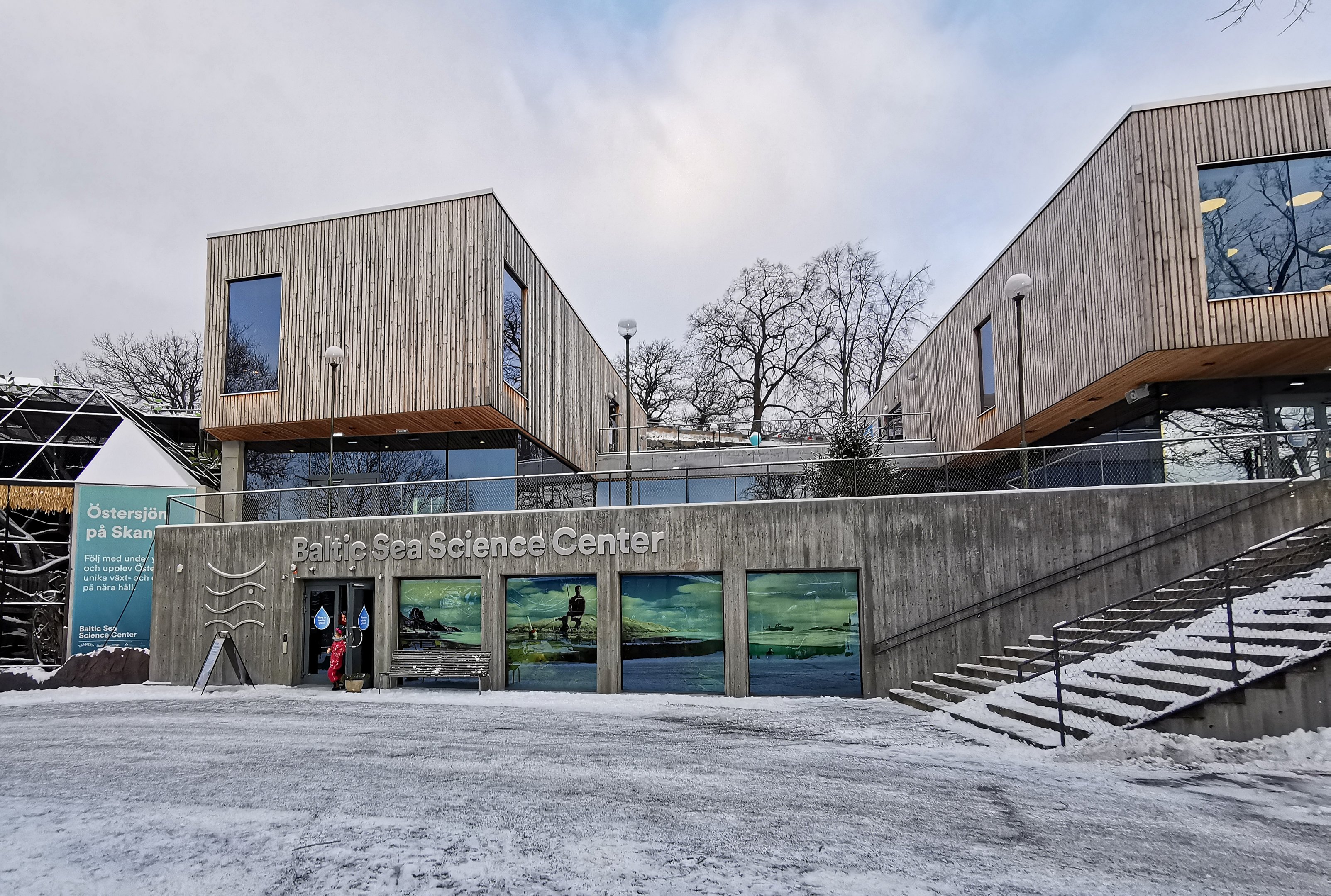
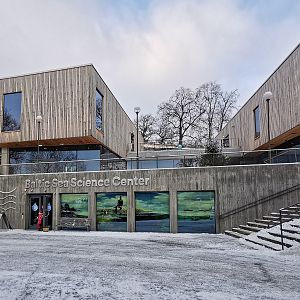
The Baltic Sea Science Center is a relatively new building in the park that opened in 2019. The main sponsor was BalticSea2020, supported by Skansen.
These species are kept according to the park's website:
• European perch (Perca fluviatilis)
• Blue mussel (Mytilus edulis)
• Common bream (Abramis brama)
• Zander (Sander lucioperca)
• Atlantic salmon (Salmo salar)
• Common roach (Rutilus rutilus)
• Common rudd (Scardinius erythrophthalmus)
• Siberian sturgeon (Acipenser baerii)
• Atlantic herring (Clupea harengus membras)
• Tench (Tinca tinca)
• Atlantic cod (Gadus morhua)
• European eel (Anguilla anguilla)
• North Atlantic brown trout (Salmo trutta trutta)
• Common jellyfish (Aurelia aurita)
• European flounder (Platichthys flesus)
• Common dab (Limanda limanda)
• European plaice (Pleuronectes platessa)
• Turbot (Scophthalmus maxima)
• Three-spined stickleback (Gasterosteus aculeatus)
• European eelpout (Zoarces viviparus)
• Broadnosed pipefish (Syngnathus typhle)
• Straightnose pipefish (Nerophis ophidion)
• Bleak (Alburnus alburnus)
• Shorthorn sculpin (Myoxocephalus scorpius)
Here are some extra species that have been reported as seen on zootierliste:
• Eurasian minnow (Phoxinus phoxinus)
• Northern pike (Esox lucius)
• European sea sturgeon (Acipenser sturio)
• White bream (Blicca bjoerkna)
• Crucian carp (Carassius carassius)
• Sand goby (Pomatoschistus minutus)
• Lumpfish (Cyclopterus lumpus)
• Fourhorn sculpin (Myoxocephalus quadricornis)
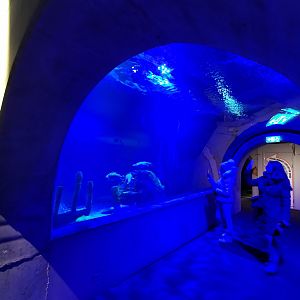
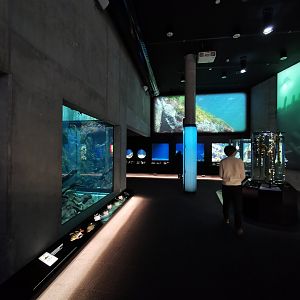
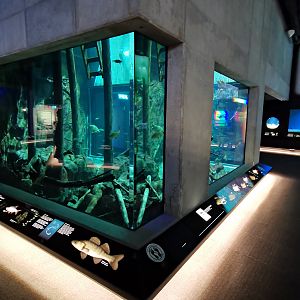
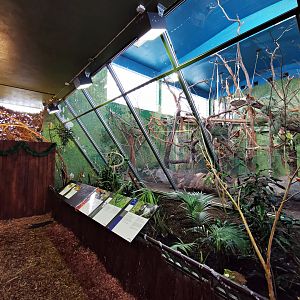
Here's how the park describes the place on their website: "In our aquariums, you can discover underwater environments from the coastal archipelago to the open sea. The aquariums have different water systems, including both brackish water and water with relatively high levels of salinity. Come and take a look under the surface, and discover the incredible diversity of the Baltic Sea!" Baltic Sea Science Center | Skansen