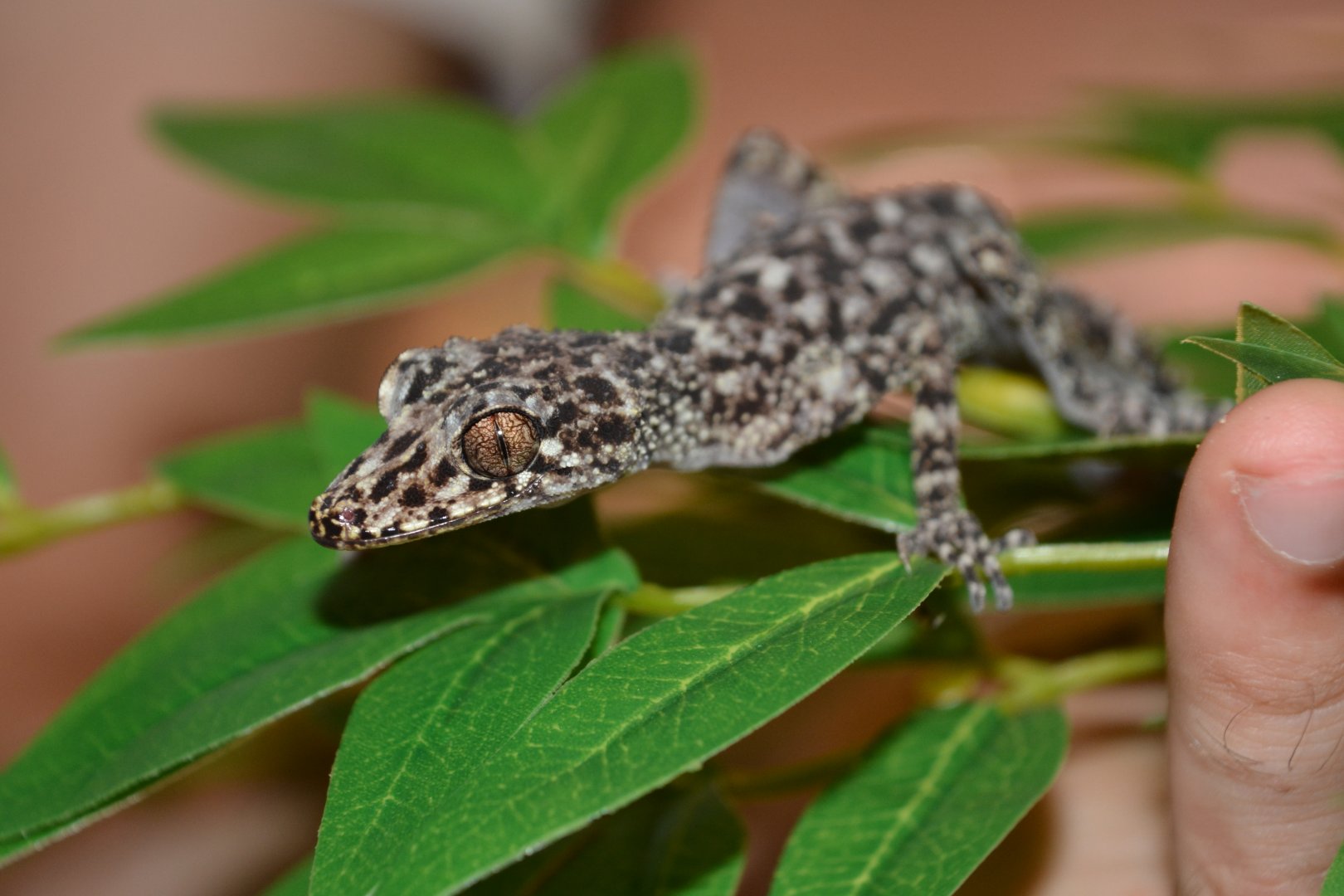
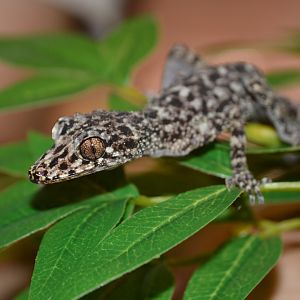
This species (endemic to Mt Elliot in Queensland) was discovered in 1998, described in 2000, and has never been legally exported from Australia. In 2012 the Alligator Creek population was almost wiped out by a single poacher and soon after they were on sale in the USA and Germany.
@Great Argus I'm not sure there's much that can be done to protect from poachers. The species has a very restricted range with a consequently small natural population, but I don't think there are any threats other than reptile smugglers.
I hope the wild population can recover. The species is now breeding in captivity, meaning wild-caught individuals are no longer needed. Captive specimens are always preferred in the trade, as they are hardier and less likely to carry diseases and parasites. I hope the numbers can now safely raise in both captivity and the wild.
@Chlidonias No, I say that the damage is done and let's hope both populations (captive/wild) will thrive now without further problems. On the other hand, a backup population under human care can always be useful for species that live in a very small natural range. Who knows what could happen. The Gonatodes daudini is also critically endangered because of the limited area it lives in. If a feral cat would be released on the island, the species would completely be wiped out. Luckily, some professional breeders are focussing hard on this taxon. Does that mean they originally came from the island, possibly affecting the wild population? Probably. Yet the total number of these geckos are rising now. I'm sure you would stand behind this whole idea if the Australian government would have allowed the shipment. It's not because something happens without the correct documents that it's directly a bad thing. But it is in this case, as collecting should be done with rules. Nobody would agree with the way it happened in this situation. I hope the Alligator Creek population is now closely monitored and protected.