I ask sincerely, why would anybody want to see a Norway rat exhibit?
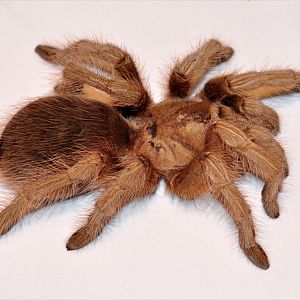
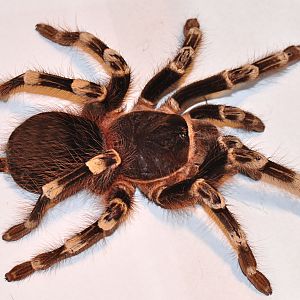
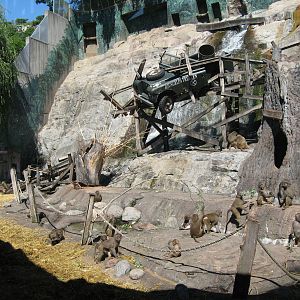
Also, does "aquarium" mean something different in Sweden than in the rest of the world? There are almost no aquatic animals in the photos of the Skansen Aquarium. I see baboons, lemurs, spiders, king cobra, desert reptiles, naked-mole rats, and (yuck) Norway rats. Is this a mostly fishless "aquarium"?
Also, does "aquarium" mean something different in Sweden than in the rest of the world? There are almost no aquatic animals in the photos of the Skansen Aquarium. I see baboons, lemurs, spiders, king cobra, desert reptiles, naked-mole rats, and (yuck) Norway rats. Is this a mostly fishless "aquarium"?
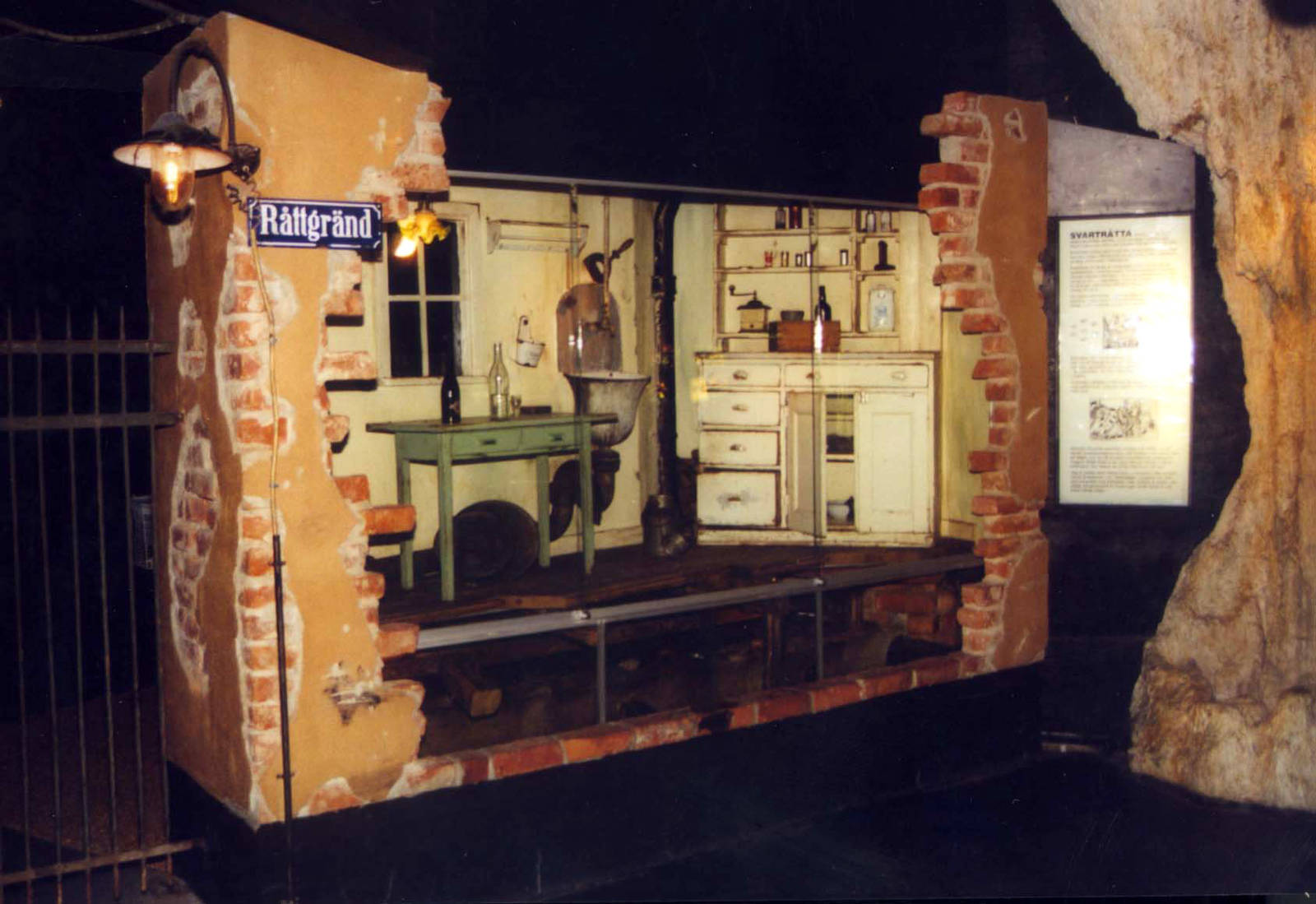
You might think so, but it is built as an old kitchen showing how it could look back in those days and the information connected to the exhibit is about Black Rats and the Plague.
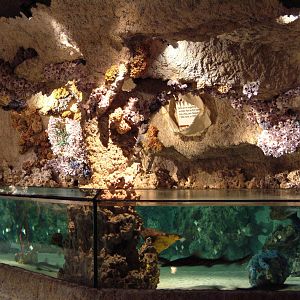
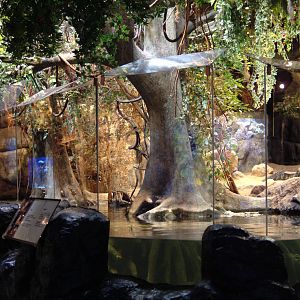
Regarding the name, yes it can be a bit confusing since the Aquarium part is the small part of the Skansen-Akvariet. It began as an aquarium, but has become more of an institution with "monkey business", i.e a breeding centre for primarily small South American monkeys. The name is so fixed in the visitors minds, so therefor no change of the name! However, we do also keep fish and invertebrates, as you can see in some of the pictures of Skansen-Akvariet.
You might think so, but it is built as an old kitchen showing how it could look back in those days and the information connected to the exhibit is about Black Rats and the Plague.
Regarding the name, yes it can be a bit confusing since the Aquarium part is the small part of the Skansen-Akvariet. It began as an aquarium, but has become more of an institution with "monkey business", i.e a breeding centre for primarily small South American monkeys. The name is so fixed in the visitors minds, so therefor no change of the name! However, we do also keep fish and invertebrates, as you can see in some of the pictures of Skansen-Akvariet.
Thanks for the information Bonobo. The rat exhibit actually sounds quite cool the way that you describe its purpose. I didn't mean to criticize, but I found it confusing why anyone would want to display vermin.
The aquarium description also makes much more sense with your much appreciated explanation.
Because rats are ingenious creatures with an extremely high level of adaptability to thrive in almost every environment making them some of nature's most successful creatures. Not simply "vermin"...
Because rats are ingenious creatures with an extremely high level of adaptability to thrive in almost every environment making them some of nature's most successful creatures. Not simply "vermin"...
You make a good point. I think that how we perceive an animal very much depends on how we experience it. To me a display of rats in a pest situation in which they infest a house, spreading disease and property damage, is very unappealing. I have seen several exhibits like the one in the photo here and never understood why someone would want to recreate what many people unfortunately get to experience at home.
That said, rats are amazing when they aren't household pests. The Smithsonian National Zoo recently has added some rats to their "Think Tank" exhibit to demonstrate how rats learn and think. In this context I find rats wonderful.
I think that you maybe misunderstood my meaning Animal. The common name for these rats is "Norway rat" in the US. I meant in general, why would zoos want to display rats as household pests. Bonobo provided the answer.
Wikipedia on why they are called "Norway rats":
Originally called the "Hanover rat" by people wishing to link problems in 18th century England with the House of Hanover,[3] it is not known for certain why the brown rat is named Rattus norvegicus (Norwegian rat) as it did not originate from Norway. However, the English naturalist John Berkenhout, author of the 1769 book Outlines of the Natural History of Great Britain, is most likely responsible for popularizing the misnomer. Berkenhout gave the brown rat the binomial name Rattus norvegicus believing that it had migrated to England from Norwegian ships in 1728, although no brown rat had entered Norway at that time.
By the early to middle part of the 19th century, British academics were aware that the brown rat was not native to Norway, hypothesizing (incorrectly) that it may have come from Ireland, Gibraltar or across the English Channel with William the Conqueror.[4] As early as 1850, however, a more correct understanding of the rat's origins was beginning to develop.[5] The British novelist Charles Dickens acknowledged the misnomer in the 2 June 1888 edition of his weekly journal, All the Year Round, writing:
"Now there is a mystery about the native country of the best known species of rat, the common brown rat. It is frequently called, in books and otherwise, the 'Norway rat,' and it is said to have been imported into this country in a ship-load of timber from Norway. Against this hypothesis stands the fact that when the brown rat had become common in this country, it was unknown in Norway, although there was a small animal like a rat, but really a lemming, which made its home there."[6]
Academics began to understand the origins and corrected etymology of the brown rat towards the end of the 19th century, as seen in the 1895 text Natural History by American scholar Alfred Henry Miles:
"The brown rat is the species common in England, and best known throughout the world. It is said to have travelled from Persia to England less than two hundred years ago and to have spread from thence to other countries visited by English ships."[7]
Though the assumptions surrounding this species' origins were not yet entirely accurate, by the 20th century it was established among naturalists that the brown rat did not originate in Norway, rather that the species came from central Asia and (likely) China.[8] Despite this, this species' common name of "Norway rat" is still in use today.
[edit]