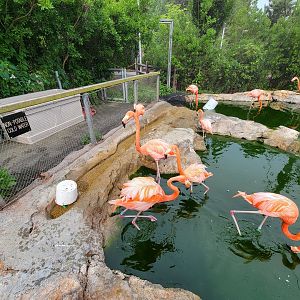
Interesting they moved the goldeneyes in here. They used to be kept along with the hooded mergansers in an exhibit next to the whooping cranes. Looks like they're easier to spot in this aviary, which I suppose is a good thing.
@TinoPup their old exhibit supposedly held a beaver previously, but not once did I see the beaver (out of probably 3-4 visits, I don't get out to Stone very often, despite it being an incredible small zoo). On my most recent visit (2020), I saw the hooded mergansers, but not the goldeneyes.
The goldeneyes aren't a great geographic fit in this aviary, but I did say after my most recent visit, that while I absolutely loved the Caribbean Coast exhibit (easily one of my all-time favorite zoo exhibits), it'd be even better if they added in some sort of waterfowl to it (I know there are some whistling duck species from the Caribbean in the AZA). I'm glad there is some sort of waterfowl in it though, and I'm sure the average visitor doesn't realize that this duck species is native to the Pacific Northwest, not the Caribbean.
@Neil chace Yeah I was confused by the choice, given it's a newer exhibit, there must be some reason they wanted to keep the species. They have a sign like the other species in there, though smaller. I would prefer something native and less common in there but oh well. I'll take the bush dogs
@TinoPup don't forget about the jamaican iguana also. That's another species that's not super common. I don't necessarily mind that it's a fairly common waterfowl species. Rarities are cool and all, but there is a need for managing the species more common in zoos as well. Stone already has a few solid rarities to distinguish themselves from other zoos, and I think waterfowl can add interest to exhibits regardless of whether it's a rare species or a common one, but that may just be the fact I like ducks
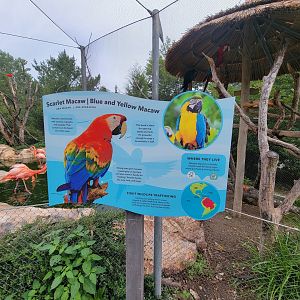
@Neil chace The iguana too I don't mind the goldeneyes at all, I just would prefer it be an actual species native to the area the exhibit represents, especially when the others are all super super common in zoos. There's others that need help; caribbean flamingos, scarlet ibis, and the macaws don't.