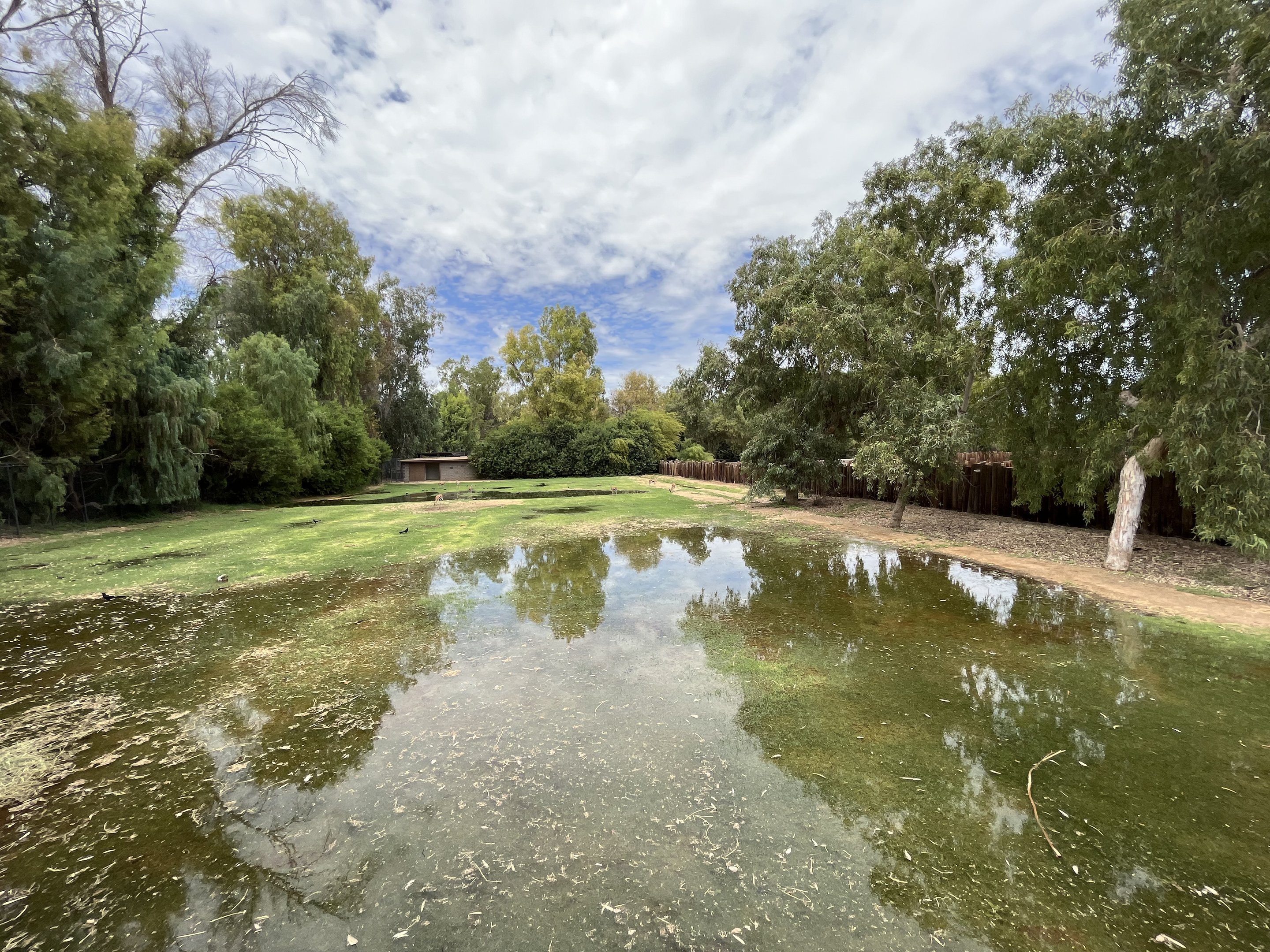
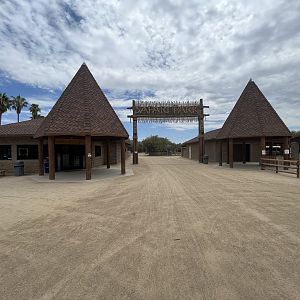
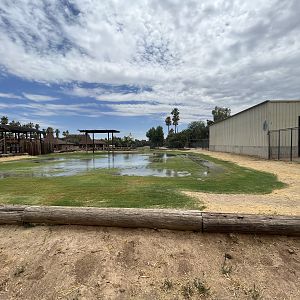
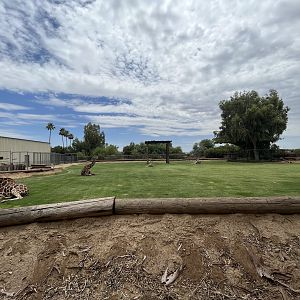
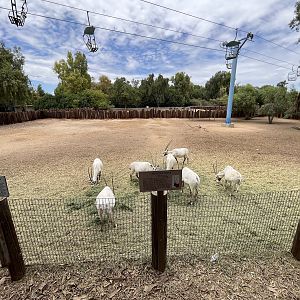
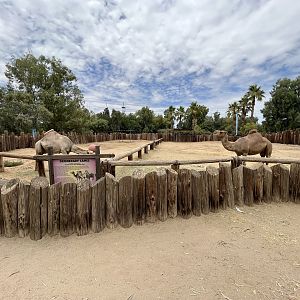
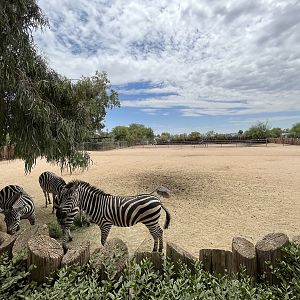
@StoppableSan The flooding is not permanent — simply as a form of irrigation — but it does not take much consistent moisture to start seeing overgrowth and hoof rot, especially in gazelles and similar species (springbok, blackbuck, etc) and arid species like oryx and addax. Hard standings are not as necessary in larger exhibits/dryer climates as long as there is varied substrate in the habitat to help with hoof wear. Hard standings provide solid, dry areas, usually around feeders and waterers and in holding areas — areas that see a lot of traffic — to prevent them from getting overly muddy/dirty/downtrodden and to promote natural hoof wear. It can also be nice to have food offered on a solid, easy-to-clean surface to prevent ingestion of substrate and reduce the chances of parasite infections.
@Kudu21 Ah, thank you for giving some insight on this. This might be the reason why there is a seemingly out of place concrete pad in Omaha's Bongo exhibit that I have always been curious about.