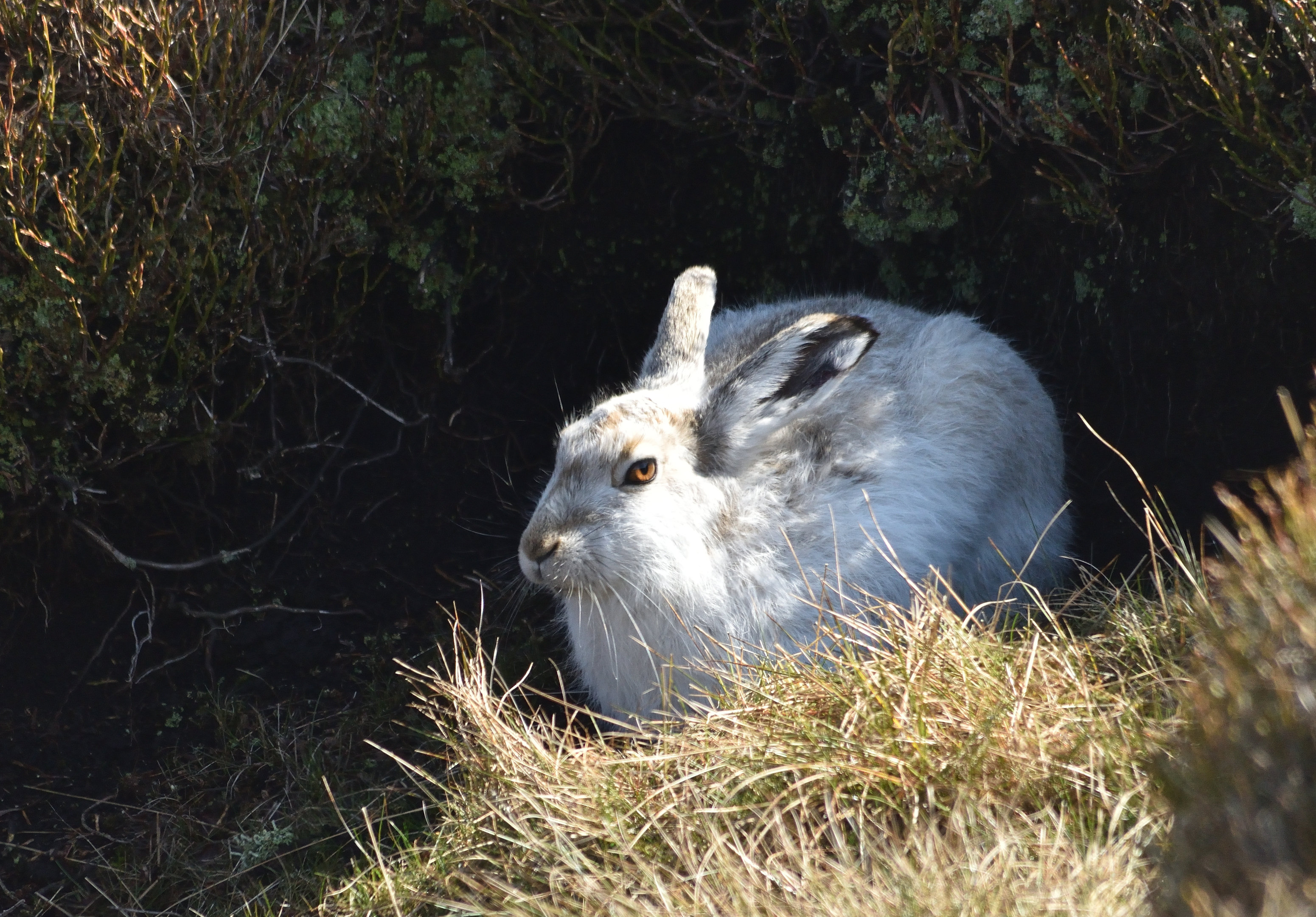
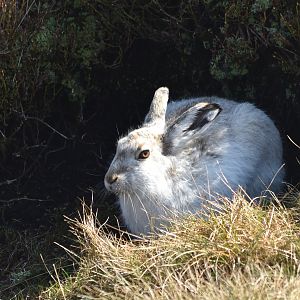
(the isolated Derbyshire population was a Victorian-era reintroduction using animals from Scandinavia, so represents the nominate form rather than the native L. t. scoticus, which is still found in Scotland)
@Prochilodus246 Thanks! I'm not sure anyone really knows how many there are - The Mammals of Derbyshire (from 2012 - and which has this species as the cover star!) mentions an estimate from 2003 of 'between 1500-5000' animals in the Peak District population, which is rather a wide estimate..!
It is certainly a wide estimate but the estimate is now going on to be 20 years old. I'm surprised they haven't been surveyed much but to be frank they are quite a hard species to find and weather conditions aren't always suitable for the human surveyors
@Prochilodus246 The population is also naturally very volatile and has been known to crash severely after bad winters - so a count from one year could be completely inaccurate the next. Population change is monitored by an ongoing series of transect surveys to give an idea of trends, but I'm not aware of an attempt to count the whole population since the 2003 one - and the trends seem mainly to be 'it goes up and down'.
Really nice. I’m heading up to Bleaklow soon to see if I can spot any. We have some on Black Hill which is my local spot but they’re seriously hard to find. Plenty of evidence of droppings and the snow showed lots of tracks but I’m yet to get a view this winter to see how the population is doing. I was lucky to see just one in its winter coat in the snow but it was gone before I could take a photo.
@JoC
I have also found the ones on Black Hill harder to spot before they bolt. I have found they can sometimes be quite easy to spot on Chew Track at Dove Stone mind.