@Joker1706, Thank you. Its a shame to hear the colony has been struggling to grow in population, especially from the high of 14 birds back in 2012. Hopefully the next few years shall prove to be prolific for them!
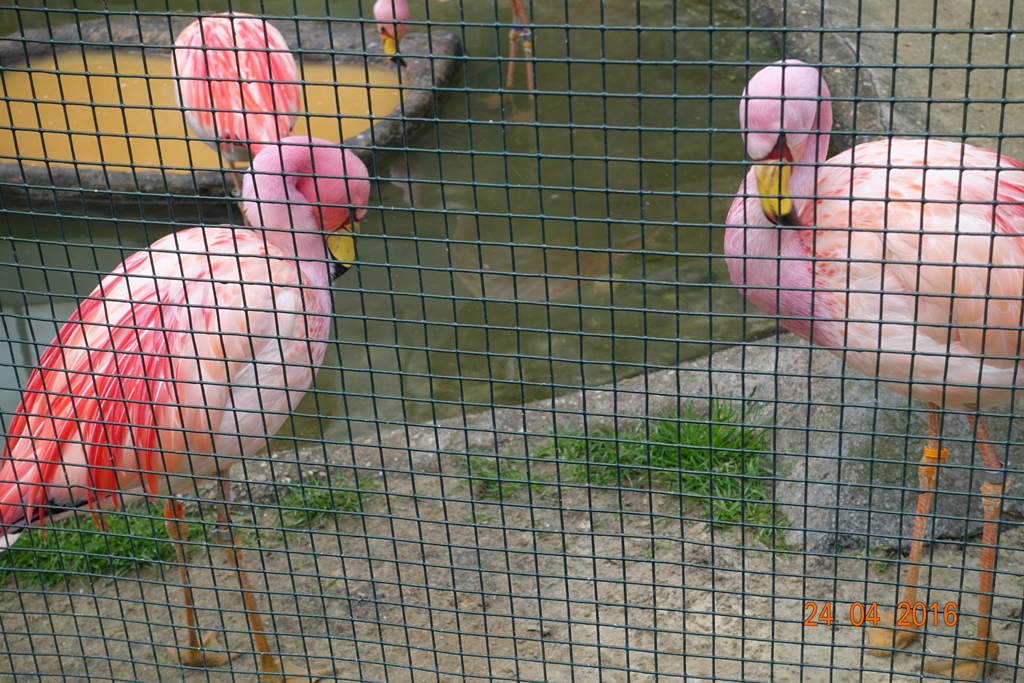
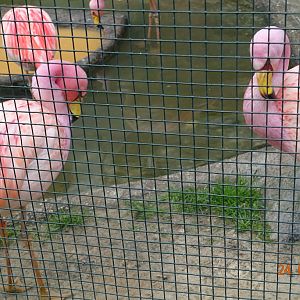
@Loxodonta Cobra, Not very likely at all. The entirety of the captive puna flamingo population (11 birds) are descended from eggs collected 30-40+ years ago. At this point, it would be extremely difficult to acquire new birds, and considering the limited difference between them and other, more common flamingo species, it is highly doubtful they will pursue such an endeavour. It truly is a shame, as they are such stunning birds with such fascinating life histories.
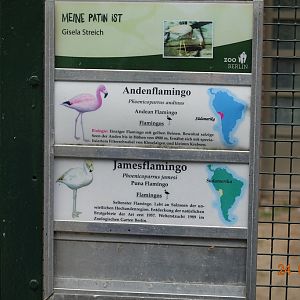
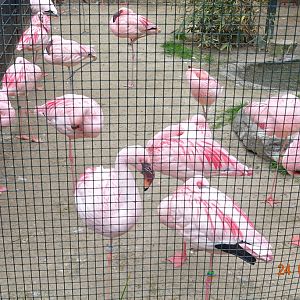
Indeed, the fate of both Puna and Andean flamingos is on the brink. There are only 33 or so Andean's housed between 2 facilities (7 at Berlin and 26 at WWT), and 11 Puna's (10 at Berlin and 1 at WWT), and Berlin is the only facility currently breeding either. Although it is not to late yet, intensive management will need to occur if we want to see these unique zoo populations persist into the future!
@Joker1706, Thank you. Its a shame to hear the colony has been struggling to grow in population, especially from the high of 14 birds back in 2012. Hopefully the next few years shall prove to be prolific for them!
@Loxodonta Cobra, Not very likely at all. The entirety of the captive puna flamingo population (11 birds) are descended from eggs collected 30-40+ years ago. At this point, it would be extremely difficult to acquire new birds, and considering the limited difference between them and other, more common flamingo species, it is highly doubtful they will pursue such an endeavour. It truly is a shame, as they are such stunning birds with such fascinating life histories.
Indeed, the fate of both Puna and Andean flamingos is on the brink. There are only 33 or so Andean's housed between 2 facilities (7 at Berlin and 26 at WWT), and 11 Puna's (10 at Berlin and 1 at WWT), and Berlin is the only facility currently breeding either. Although it is not to late yet, intensive management will need to occur if we want to see these unique zoo populations persist into the future!
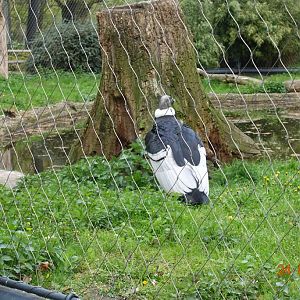
There must be Andeans somewhere in Germany, the last remaining animals of Planckendael went to a private breeding center in Germany and completely of the radar since. I always wondered how they were doing...