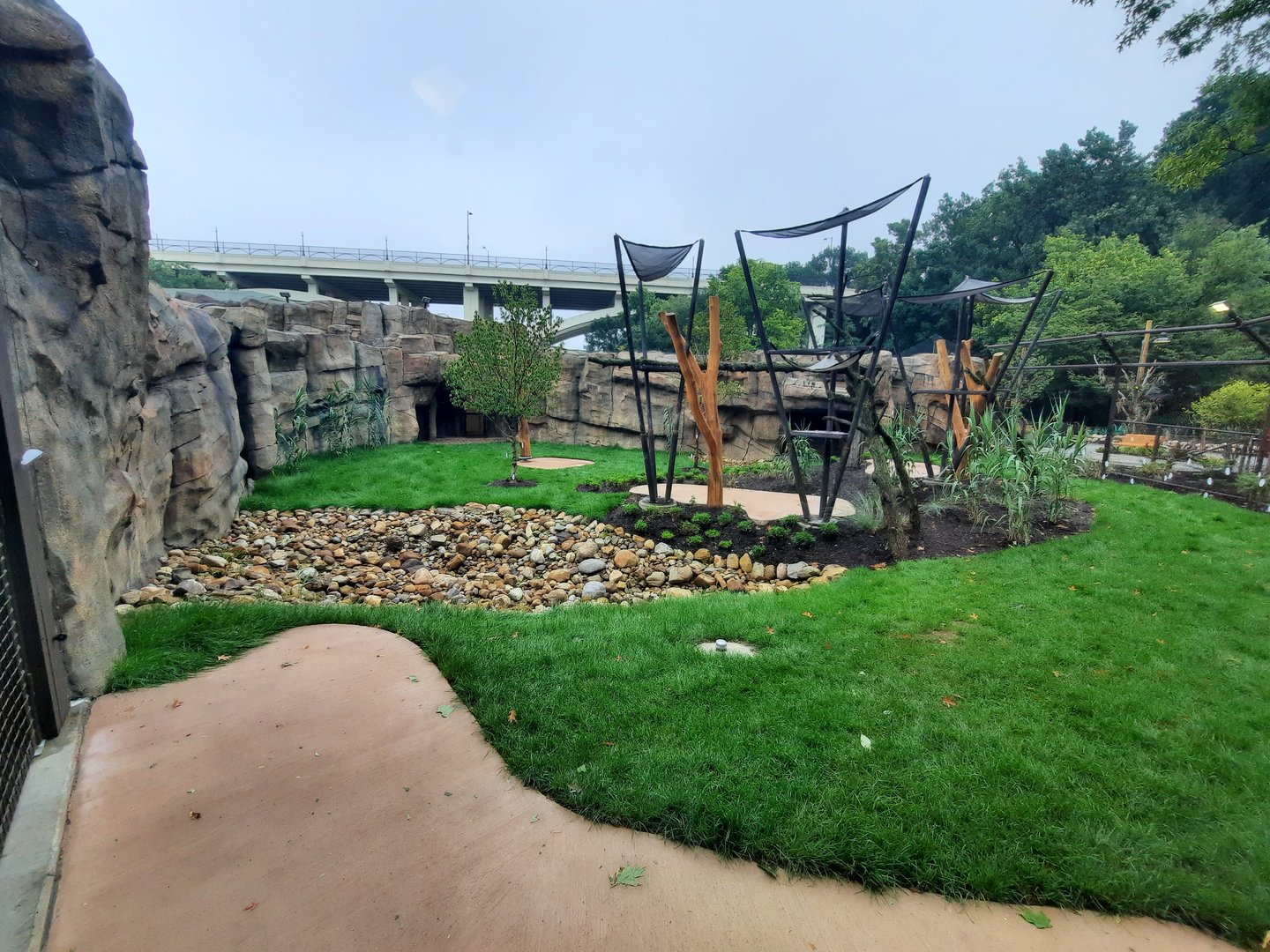
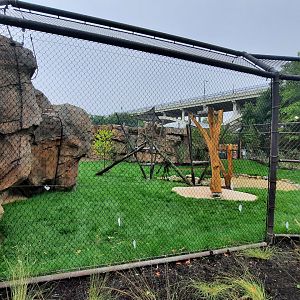
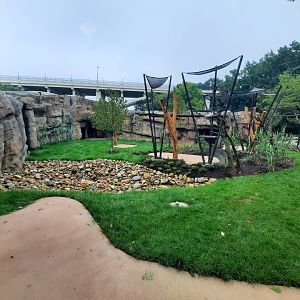
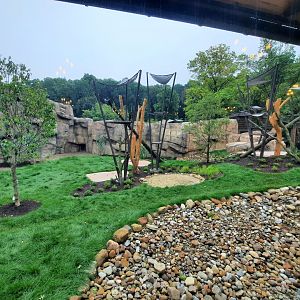
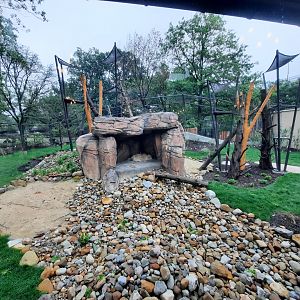
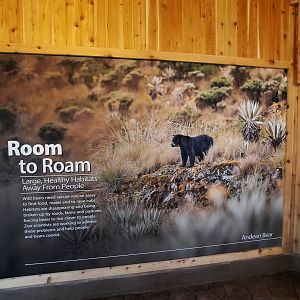
@dillotest0 Makes one wonder did they loose the paperwork of detailed designs along the way. Wait a minute tropical bears now displayed living in suburban environments. Great exhibits have essential elements factored in at construction phase. It's a head scratcher wondering why emphasize tropical bears and after thoughts to figure out what bears want. Again to much put into human elements at expense of animals. We seriously need to put ZOOLOGICAL back into title, cause if you haven't figured out at completed stage will continue problems educating people about wilderness/ wildlife.
@junglejim
I do worry that the 'over-urbanisation' of zoo exhibits will send the wrong message. And it's not even something I'm utterly against - it can be done well - just as Bristol [Clifton] had a nicely done section of their nocturnal house to resemble the typical interior of an urban house - likely one of the late 20th century, about the time the house opened. And I think part of it is that it had suitable animals there - namely mice and rats, which were kept in cupboards.
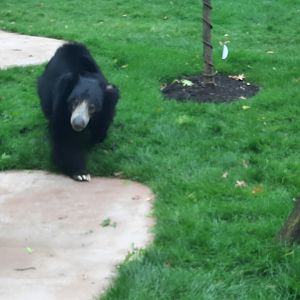
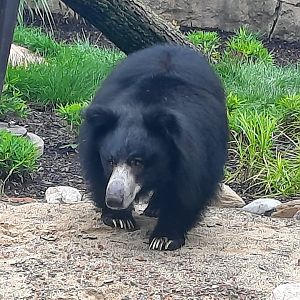
So I think part of it really equates to - mice, rats etc live in urban environments. But sloth bears and most other organisms do not. And it shouldn't harm a zoo in the slightest to make such a point as foreign bears do not live on western urban developments in natural state.
Giving indication of the type of habitat the animal lives in the wild, methinks, should be one of the forefront - and simplest priorities of any modern zoo animal development. Admittedly with some animals there are restrictions - pigs and peccaries will happily tear away any naturalistic foliage - so here some ways around have to be found. Bears maybe also... but there are definitely ways to circumvent that. For one thing many sloth bears live in habitats where grass grows quite tall - so it would help that if the sloth bear exhibit has grass [which it probably should], then it helps that it isn't entirely trimmed to levels appropriate mainly for human walking.