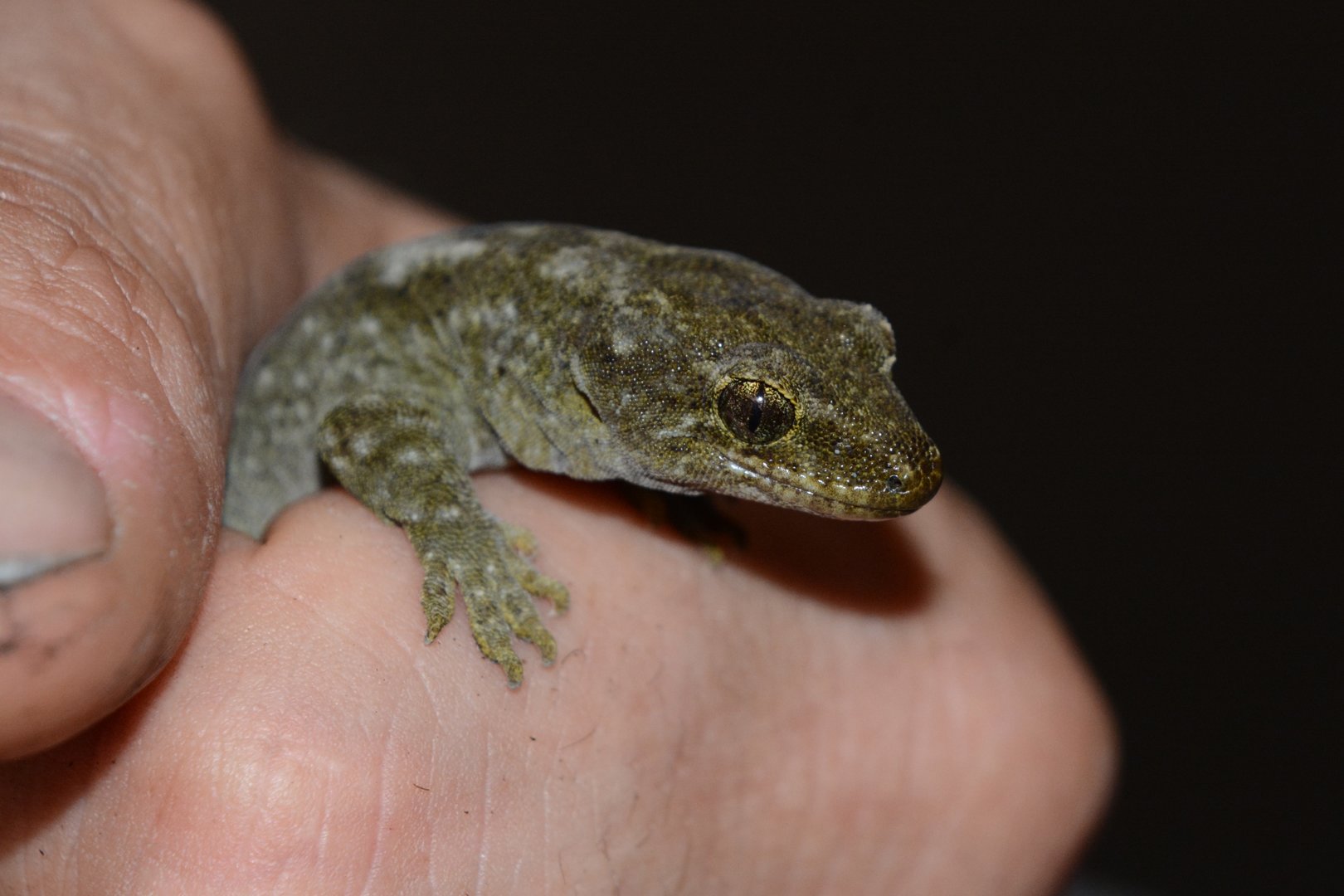
@WalkingAgnatha I don't know how much breeding has been done overseas but until 1996 (when all species gained protection) there were four species of NZ lizard able to be legally exported, one of which was the Common Gecko (species-complex), of which the Canterbury Gecko was a part. The Canterbury species was heavily collected for both international and local trade, with severe habitat destruction being part of the collection process - on Banks Peninsula the geckos live inside cracks in giant boulders (the cracks being caused by water freezing and expanding, and gradually splitting the rock), and collectors would use crowbars to rip slabs off to get at the geckos. At that time you'd often see pet-shops in Christchurch with tanks filled with Canterbury Geckos for sale. The two then-unprotected gecko species (Common and Forest) were exported in big numbers to Europe because it was easy to just put other (protected) species in amongst them. NZ geckos are very long-lived (up to 50 years) and, in theory, if breeding had been established and continued those two species could still be available over there as non-smuggled animals.
Ah yeah, I'd known that but didn't realise there was a serious trade entering Europe back in those days aswell, I've also searched for Canterbury/Waitaha Geckos with some friends on my recent South Island trip in similar habitat (of course doing nothing anywhere near that destructive!!), can't say much given that I don't have experience nor knowledge in the field, but given how much you hear about smuggled reptiles in NZ I'd remain suspect (although you're not claiming this individual is legal either). Didn't know about the pet shops anecdote although! (But I do remember reading a lot were kept as pets in the fantastic book 'Geckos & Skinks' by Anna Yeoman).